
In an increasingly interconnected world, the concept of identity has grown more complex and multifaceted. For many, holding dual citizenship is not just a legal status but a profound journey of balancing two distinct cultures, traditions, and sets of expectations. Navigating dual citizenship means embracing the privileges and responsibilities of belonging to more than one nation, while often facing questions of loyalty, belonging, and personal identity. This article explores the delicate dance of maintaining harmony between two national identities, offering insights into the challenges and opportunities that come with living between borders.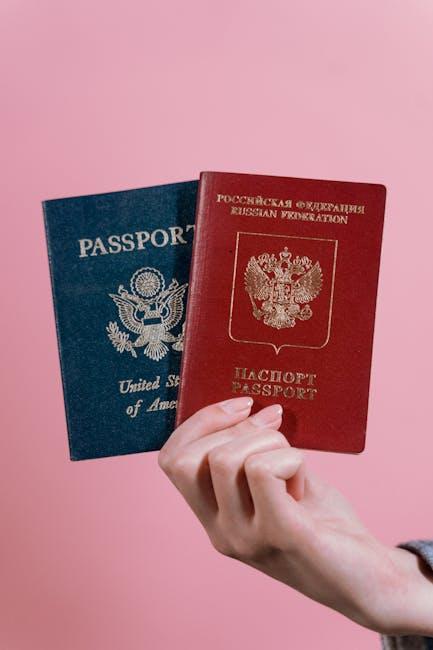
Understanding the Emotional Landscape of Dual Citizenship
Holding dual citizenship often ushers in a unique emotional experience, where the heart can feel both enriched and divided. On one hand, individuals enjoy the privilege of belonging to two distinct cultures, traditions, and communities—each offering a sense of identity and pride. Yet, this duality can also lead to feelings of internal conflict, as navigating different societal expectations and legal frameworks requires constant emotional adjustment. The emotional landscape is colored by moments of joy in celebrating diverse heritages and subtle feelings of displacement when having to choose sides in matters that touch on loyalty or cultural norms.
It’s common for those with dual citizenship to experience a spectrum of emotions, such as:
- Belonging: Feeling connected to two places can provide a broadened sense of home.
- Ambiguity: Navigating mixed cultural signals can create uncertainty.
- Pride: Embracing the richness of multiple identities boosts self-esteem.
- Pressure: External expectations may challenge one’s authenticity.
| Emotion | Common Trigger | Personal Impact |
|---|---|---|
| Joy | Cultural festivals & rituals | Strengthens cultural bonds |
| Confusion | Legal or political conflicts | Creates anxiety about belonging |
| Empowerment | Ability to navigate multiple systems | Builds confidence and resilience |
Legal Responsibilities and Rights Across Borders
Holding dual citizenship means embracing more than just cultural diversity; it entails navigating a complex web of legal responsibilities and rights that vary significantly between countries. Citizens must often comply with tax regulations from both nations, which can lead to unique financial obligations or benefits. Military service duties may also overlap, requiring careful attention to conscription laws or alternative service options. Understanding these nuances is essential to avoid legal conflicts and to fully leverage the protections dual citizenship can offer.
Beyond obligations, dual citizens enjoy a range of rights that can open doors internationally. From voting in multiple elections to the ability to work and live seamlessly across borders, these advantages come with distinct limitations shaped by each country’s policies. Below is a simplified overview of common rights and responsibilities that dual citizens frequently encounter:
- Taxation: Filing requirements in both countries.
- Military Service: Potential obligations or exemptions.
- Political Participation: Voting rights and eligibility for office.
- Travel: Passport privileges and visa considerations.
- Legal Protections: Access to consular assistance abroad.
| Aspect | Country A | Country B |
|---|---|---|
| Tax Filing | Annual declaration required | Income-based threshold applies |
| Military Service | Mandatory for males 18-25 | Voluntary enlistment |
| Voting | Allowed in national and local elections | Only national elections |
Cultural Integration Without Losing Yourself
Embracing two cultural landscapes is a dynamic journey, where personal identity becomes a vibrant tapestry woven with threads from both worlds. Instead of feeling torn between two cultures, many find strength in blending traditions, values, and customs to create a unique sense of self. The key lies in selective adaptation—choosing which elements resonate deeply while honoring the origins that shaped you. It’s less about assimilation and more about harmonizing differences, allowing your identity to evolve without erasing its roots.
- Celebrate cultural milestones from both backgrounds, marking important festivals, holidays, and rituals that affirm your dual heritage.
- Maintain language skills to preserve connections with family and community, while also embracing the local tongue for social integration.
- Engage with diverse communities where your multiple identities are welcomed and can flourish side-by-side.
- Reflect regularly on what aspects of each culture influence your values, beliefs, and everyday choices.
| Challenge | Creative Solution |
|---|---|
| Pressure to conform to one culture | Build a personal ritual blending elements from both cultures |
| Feeling disconnected from family traditions | Host family gatherings that highlight shared cultural experiences |
| Language barriers impacting relationships | Create bilingual communication tools or cards for better understanding |
Practical Tips for Managing Dual Passports and Documentation
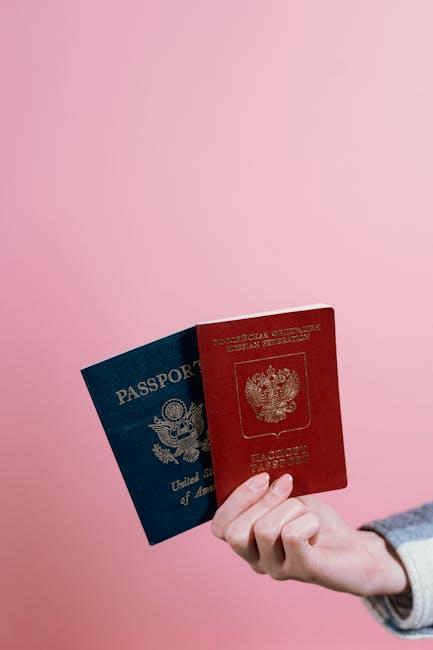
Effectively managing dual passports requires a strategic approach to ensure seamless travel and identification across borders. Always keep both passports in a secure, accessible location, and regularly check their validity to avoid last-minute surprises. Make it a habit to understand entry and exit requirements for each country related to your dual citizenship. Carry a digital copy of important documents like visas and identification pages, which can come in handy during emergencies or unexpected travel issues. When booking flights, verify which passport you should present to optimize visa-free travel benefits or avoid complications with immigration authorities.
Staying organized with your documentation can transform the often complex juggling act into a simple routine:
- Use a dedicated travel wallet or folder for each passport and related documents.
- Maintain a checklist of renewal dates, visa expirations, and residency requirements.
- Consider using secure document management apps to store copies of important papers.
- Keep contact info of embassy or consulate offices handy for all citizenships.
| Document | Recommended Action | Frequency |
|---|---|---|
| Passport 1 (Country A) | Check expiration, renew 6 months prior | Every 10 years |
| Passport 2 (Country B) | Verify visa requirements regularly | Before each trip |
| Supporting ID documents | Scan and back up digitally | After any changes |
Building a Personal Identity That Embraces Both Nations
Embracing the nuances of two cultures involves more than just blending languages and customs—it’s an active weaving of values and narratives into your personal story. This journey often requires a conscious effort to acknowledge the beauty and contradictions of each identity, creating a harmonious space where neither is diminished. Adopting this duality gracefully enables one to cultivate a unique sense of self that enriches rather than divides. Strategies such as celebrating traditional holidays from both cultures or learning stories from elders of each nation can nurture this intertwined identity.
The process also benefits from setting personal boundaries that honor both sides. Below is a simple framework to consider when balancing cultural expectations with personal authenticity:
| Aspect | Reflection | Balance Tip |
|---|---|---|
| Language | Which languages do you feel most connected to? | Use each language to deepen specific cultural experiences. |
| Traditions | What customs resonate personally versus culturally expected? | Choose traditions that uplift your well-being and identity. |
| Community | Where do you feel a sense of belonging? | Foster connections that support your hybrid identity. |
- Celebrate the differences: Actively explore cultural festivals and foods from both nations.
- Create personal rituals: Merge elements from both backgrounds to honor your journey.
- Share your story: Open conversations about dual nationality can inspire and connect others in similar situations.
Future Outlook
In the intricate dance of dual citizenship, individuals find themselves gracefully navigating the rhythms of two nations, blending heritage and opportunity into a unique identity. Balancing these worlds requires not only legal understanding but also emotional harmony—a careful weaving of loyalties, cultures, and responsibilities. As borders grow more fluid and global connections deepen, embracing dual citizenship becomes more than a legal status; it becomes a personal journey of belonging and self-discovery. Ultimately, navigating two national identities is less about choosing sides and more about creating a bridge—one that honors the past, embraces the present, and opens doors to a multifaceted future.




