
In today’s interconnected world, the concept of identity often transcends borders, giving rise to the phenomenon of double nationality—a unique status that allows individuals to belong fully to two countries at once. Yet, this duality comes with a complex dance of cultural, legal, and personal challenges. Navigating double nationality means balancing not only two sets of laws but also two rich tapestries of heritage, expectations, and obligations. This article explores the multifaceted journey of living between two worlds, shedding light on the opportunities and intricacies that define life with double citizenship.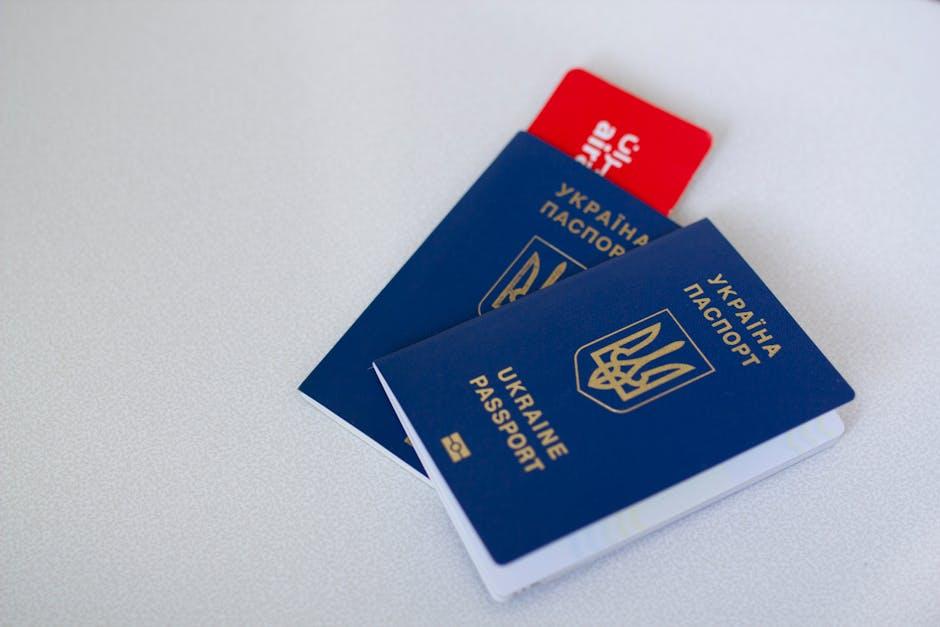
Understanding the Legal Complexities of Dual Citizenship
Navigating the legal landscape of holding citizenship in two countries often means facing a labyrinth of laws, regulations, and sometimes conflicting obligations. Dual citizenship can grant the freedom to live, work, and travel more easily, but it also introduces complexities like tax responsibilities, military service requirements, and voting rights that vary widely from one nation to another. Understanding these differences is vital, not only to avoid unintentional legal pitfalls but also to fully leverage the benefits of belonging to two sovereignties.
Key legal considerations for dual citizens include:
- Taxation: Some countries tax worldwide income regardless of residency, while others do not.
- Military Service: Obligations might exist in both countries, potentially requiring careful negotiation.
- Legal Jurisdiction: Dual nationals can be subject to both countries’ laws, particularly in criminal cases.
To illustrate, the table below summarizes how select countries handle critical legal aspects of dual citizenship:
| Country | Tax Worldwide Income | Military Service Requirement | Acceptance of Dual Citizenship |
|---|---|---|---|
| USA | Yes | Selective Service (males only) | Yes |
| Germany | No* | Voluntary | Restricted |
| Australia | No | No | Yes |
| Japan | No | Yes | No |
*Taxation depends on residency and specific bilateral agreements.

Cultural Identity and Emotional Dynamics in Two Homelands
Living between two homelands often shapes a unique cultural identity that defies simple categorization. Individuals with double nationality frequently navigate a labyrinth of traditions, languages, and social expectations that intertwine to form a rich, multifaceted sense of self. This dual belonging can spark a profound emotional journey—marked by moments of deep pride and complexity. Emotions oscillate between feelings of inclusion and alienation, especially when cultural norms or legal systems clash. The process of honoring both heritages while reframing one’s identity invites resilience and introspection, often compelling individuals to become cultural bridges rather than cultural boundaries.
The emotional dynamics of balancing two worlds extend beyond personal identity to impact family relationships, social networks, and everyday decision-making. Some common experiences include:
- Liminality: Feeling situated “in-between” without fully belonging to either homeland.
- Conflict Resolution: Negotiating contrasting values or expectations from each culture.
- Celebration of Diversity: Embracing hybrid customs and creating new traditions.
| Emotional Theme | Typical Challenge | Growth Opportunity |
|---|---|---|
| Identity Ambiguity | Uncertainty about belonging | Deepened self-awareness |
| Cultural Contrast | Conflicting social norms | Enhanced adaptability |
| Legal Duality | Varying rights and obligations | Broadened legal perspective |
Practical Tips for Managing Dual Nationality Documentation
When juggling the paperwork for two nationalities, staying organized is your greatest ally. Maintain a dedicated dual nationality folder, either digitally or physically, to keep passports, visas, birth certificates, and naturalization documents neatly compiled. Regularly update this collection to reflect renewals or important changes. Additionally, always note the expiration dates and renewal procedures for both countries’ identity documents to avoid unexpected legal headaches. Utilize reminders on your phone or calendar apps to keep track of deadlines, and if possible, scan all documents to create a secure digital backup.
Understanding the specific documentation requirements for travel, work, or residency in both home countries is crucial. Consult official government resources and embassies frequently, as regulations can shift with political or legal changes. To simplify this navigation, here’s a quick reference table outlining key documents and their common renewal timelines:
| Document | Typical Validity | Renewal Tip |
|---|---|---|
| Passport | 5-10 years | Renew 6 months before expiry |
| National ID Card | 5-12 years | Check local regulations annually |
| Visa/Work Permit | Varies | Verify requirements before travel |
| Birth Certificate | Lifetime | Keep certified copies |
Navigating Taxation and Military Obligations Across Borders
Owning two passports can feel like a superpower, but it also means grappling with different taxation frameworks that don’t always play nicely together. Double nationals often face the delicate challenge of determining where and how much tax they owe, as both countries might expect compliance with their fiscal rules. Navigating tax treaties and foreign income declarations requires not only attention to detail but often the guidance of tax professionals well-versed in binational intricacies. Remember, misunderstanding these obligations can lead to unexpected penalties or even legal complications, so always stay informed about the nuances each jurisdiction imposes.
Military obligations add another layer of complexity. Some nations demand compulsory service, while others offer exemptions or alternative service options for dual citizens. It’s crucial to clarify your standing early, as neglecting these duties can affect your citizenship status or result in fines. Below is a quick overview of common scenarios dual nationals might face in terms of military and tax responsibilities:
| Country A | Tax Requirements | Military Service |
|---|---|---|
| USA | Global income tax reporting | Selective service registration, no mandatory service |
| Country B | Tax on local earnings only | Mandatory 12-month service or exemption for dual citizens |
- Consult tax treaties to avoid double taxation or claim credits.
- Review military obligations before turning 30 to ensure compliance.
- Keep thorough records of income and service status to present as needed.
Building a Harmonious Life While Embracing Dual Allegiances
Living with dual allegiances invites a unique blend of challenges and opportunities, where the dance of identity and duty requires thoughtful calibration. Balancing two cultural lenses means more than just juggling passports; it entails weaving together the nuances of two societies into a single, coherent narrative. Embracing this reality involves prioritizing open-mindedness and adaptability, while honoring the roots and traditions that fuel personal growth. Developing clear boundaries around legal obligations in each jurisdiction ensures peace of mind, allowing individuals to thrive without the stress of conflicting responsibilities.
Key strategies for cultivating harmony:
- Consistent communication: Keeping informed about laws and cultural expectations on both sides.
- Embracing flexibility: Adapting lifestyle choices to respect diverse societal norms.
- Building support networks: Connecting with communities sharing similar experiences for guidance and solidarity.
| Aspect | Potential Challenge | Practical Solution |
|---|---|---|
| Legal Compliance | Differing tax laws | Consult specialized dual-nationality tax advisors |
| Emotional Identity | Feeling torn between cultures | Celebrate multicultural holidays and rituals |
| Social Integration | Balancing social expectations | Engage selectively in community events |
The Conclusion
In the intricate dance of double nationality, individuals find themselves gracefully balancing the rhythms of two cultures and the complexities of dual legal landscapes. Navigating this unique identity is both a challenge and a privilege—a continuous journey of blending, adapting, and sometimes reconciling contrasting expectations. As global connections deepen and borders become more fluid, embracing the duality of nationality invites not only legal awareness but also a richer understanding of self. Ultimately, living between two worlds is less about choosing one and more about weaving the strengths of both into a singular, multifaceted story.




