
Across the vast oceans and sprawling borders, the tides of human movement have shaped nations, cultures, and histories. “Waves of Change: Mapping the Tides of Global Migration” embarks on a journey to explore the ever-shifting currents of migration that ripple through our interconnected world. From ancient trails carved by early travelers to the complex flows driven by modern forces, this article charts the patterns and pressures that propel millions seeking new shores. In navigating these waves, we uncover stories of resilience, challenge, and transformation—revealing how migration continuously redefines the global landscape.
The Historical Currents Shaping Modern Migration Patterns
Throughout human history, migration has been shaped by the relentless push and pull of social, economic, and political forces. The Age of Discovery unleashed waves of explorers whose journeys not only redrew maps but also instigated large-scale population movements across continents. The Industrial Revolution later acted as a powerful magnet, drawing millions from rural landscapes to bustling urban centers in search of labor and opportunity. These early currents laid the foundation for today’s intricate web of migration, where past patterns echo in present-day flows.
Several key dynamics continue to influence modern migration:
- Colonial Legacies: Former colonies maintain deep ties with their colonial powers, facilitating movement through established linguistic, legal, and cultural connections.
- Conflict and Displacement: Wars and political upheavals ripple across borders, creating waves of refugees and internally displaced persons.
- Economic Disparities: Stark contrasts in wealth distribution act as a catalyst, prompting individuals to cross borders in pursuit of improved living standards.
| Historical Era | Major Migration Driver | Impact on Modern Patterns |
|---|---|---|
| Age of Discovery | Exploration & Colonization | Global cultural diffusion and initial diasporas |
| Industrial Revolution | Urbanization & Labor Demand | Formation of multicultural cities and economic migration |
| 20th Century Wars | Conflict & Refugee Crises | Mass displacement and new asylum policies |
Economic Ripples and Their Role in Shifting Populations
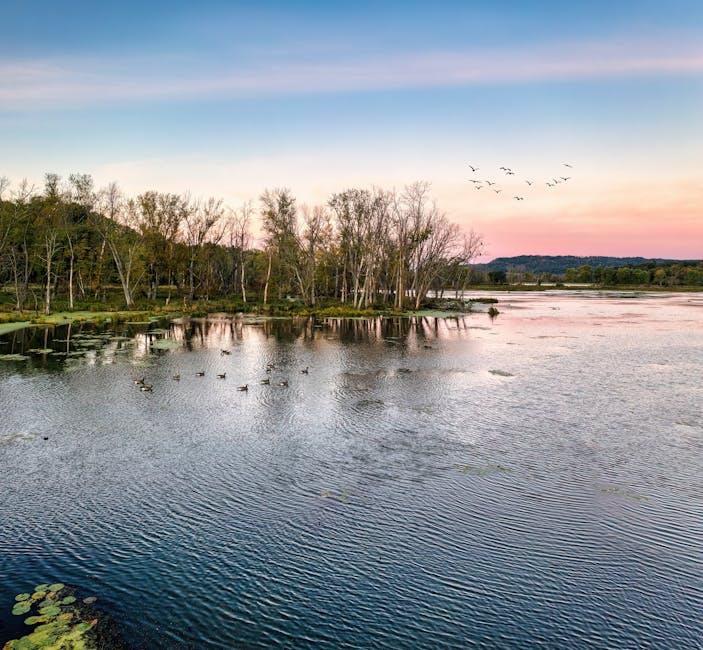
Global economies can often resemble vast, interconnected lakes where a single drop—be it a policy change, market fluctuation, or resource discovery—sets waves rippling across continents. These economic ripples profoundly influence population movements as individuals and families chase new opportunities or retreat from shrinking prospects. Regions that experience surging industries or wage growth transform into magnets, drawing talent and laborers alike. Conversely, areas mired in recession or inflation witness an exodus as citizens seek financial stability elsewhere. These dynamics continually redraw demographic maps, reminding us that migration is frequently a response not just to borders or cultures, but to the ebbs and flows of economic fortunes.
At the heart of these shifts are layers of push-and-pull forces shaping human decisions. Key factors include:
- Job availability and quality: Strong labor markets pull workers toward regions with better employment, higher wages, and advanced industries.
- Cost of living: Rising expenses can push populations to more affordable locales, sometimes into entirely new countries.
- State stability and infrastructure: Solid governance, reliable services, and economic safety nets act as anchors, curbing outflows and attracting settlers.
| Economic Trigger | Population Impact |
|---|---|
| Natural resource boom | Increased in-migration, urban expansion |
| Manufacturing decline | Out-migration, workforce shrinkage |
| Tech sector rise | Young professionals influx |
| Currency instability | Capital flight, diaspora growth |
Cultural Crossroads and the Integration Challenge
At the heart of global migration lies a vibrant tapestry where diverse cultures meet, intertwine, and sometimes clash. This dynamic convergence enriches societies but also presents complex integration challenges that demand thoughtful responses. Migrants bring essential elements like language, customs, cuisine, and belief systems, creating a fertile ground for innovation and mutual enrichment. Yet, these cultural crossroads can also generate tension, highlighting differences in values and social norms that require careful navigation by both newcomers and host communities.
Successful integration hinges on several key factors:
- Mutual respect: Recognizing and valuing diversity without erasing identity.
- Accessible education: Language acquisition and civic knowledge as gateways to inclusion.
- Community engagement: Platforms for interaction that foster trust and cooperation.
- Policy support: Inclusive laws that protect rights and promote equality.
| Challenge | Impact | Possible Solution |
|---|---|---|
| Language barriers | Social isolation, limited job opportunities | Community language programs |
| Cultural misunderstandings | Prejudice, discrimination | Intercultural dialogue initiatives |
| Economic disparity | Unequal access to services | Targeted economic inclusion policies |
| Legal hurdles | Uncertainty, limited rights | Streamlined immigration procedures |
Environmental Forces Driving New Waves of Movement
Shifts in climate patterns and escalating natural disasters have redefined migration landscapes worldwide. Droughts parch once-fertile lands, while rising sea levels swallow coastal communities, pushing inhabitants to seek new horizons. These environmental stressors don’t act in isolation; they intertwine with socioeconomic factors, creating a complex tapestry of displacement. Among the most affected are agricultural workers, whose livelihoods crumble as unpredictable weather patterns jeopardize harvests, and island dwellers confronting the literal vanishing of their homelands.
Key environmental forces triggering this new wave of migration include:
- Intensified storms and flooding disrupting infrastructure and homes
- Desertification spreading across traditionally arable regions
- Glacier melt altering freshwater availability and ecosystems
- Unseasonable temperature shifts impacting local economies
| Environmental Factor | Typical Impact | Regions Most Affected |
|---|---|---|
| Sea Level Rise | Displacement of coastal populations | South Pacific, Bangladesh |
| Extreme Drought | Agricultural collapse, food insecurity | Sahel, Horn of Africa |
| Frequent Flooding | Loss of shelter and livelihoods | Southeast Asia, Central America |
Policy Pathways for Equitable and Sustainable Migration Management
Crafting a future where migration flows are both just and enduring requires a delicate balance of innovation and empathy. Central to this vision is the implementation of policies that recognize migration not merely as a challenge to be managed, but as an opportunity to enrich societies globally. This means investing in frameworks that prioritize human dignity, securing legal pathways, and fostering international cooperation to dismantle barriers that perpetuate inequality. The ripple effects of such policies extend beyond borders, offering a blueprint for shared prosperity rooted in mutual respect and responsibility.
To bring this vision into tangible reality, stakeholders must consider a constellation of critical factors:
- Inclusive Economic Opportunities — Ensuring migrants can contribute to and benefit from local economies.
- Robust Social Integration Programs — Facilitating cultural exchange while nurturing cohesive communities.
- Environmental Resilience — Addressing climate-induced displacement through adaptive strategies.
- Transparent Governance — Upholding accountability and safeguarding migrant rights with clarity and consistency.
| Policy Element | Core Benefit | Key Stakeholders |
|---|---|---|
| Legal Pathways Expansion | Reduces Irregular Migration | Governments, NGOs |
| Community Engagement Initiatives | Enhances Social Cohesion | Local Authorities, Civil Society |
| Climate Adaptation Policies | Mitigates Displacement Risks | Environmental Agencies, Policy Makers |
Final Thoughts
As the tides of global migration continue their ceaseless ebb and flow, they reshape the contours of societies, economies, and cultures alike. Like waves carving new paths across the shore, these movements are neither random nor transient; they are reflections of deeper forces—conflict, aspiration, climate, and opportunity—intertwined in a vast and complex current. By mapping these shifting waters, we gain not only a clearer view of where people move, but why they move, and what their journeys mean for the world we share. In embracing the rhythms of change, we stand better prepared to navigate the challenges and possibilities that lie ahead, ensuring that the global story of migration remains one of resilience, connection, and hope.




