
In a world increasingly woven together by migration, globalization, and digital connections, the concept of identity has taken on a new complexity. For millions, holding dual nationality is not just a legal status but an intricate dance between two cultures, two sets of laws, and two senses of belonging. “Double Identity: Navigating the World of Dual Nationality” explores this multifaceted experience, shedding light on both the opportunities and challenges faced by those who straddle borders in more ways than one. From the freedom to move and work across countries to the delicate balancing act of loyalty and legal obligations, this article invites readers to reflect on what it truly means to live with double citizenship in today’s interconnected world.
Understanding Dual Nationality and Its Global Impact
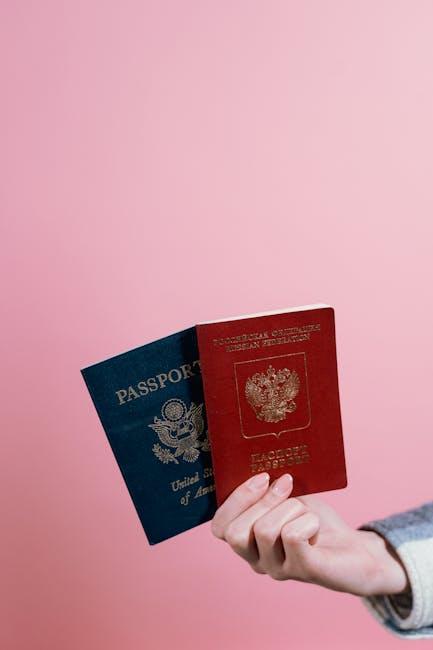
Dual nationality weaves a complex tapestry of identity, where legal boundaries blur and cultural lines intertwine. This phenomenon is not merely about holding two passports; it’s about embracing multifaceted allegiances, traditions, and responsibilities. Citizens with dual nationality often find themselves as bridges between nations, culturally enriched yet occasionally caught in the crossfire of conflicting laws or societal expectations. Such duality cultivates a unique worldview, fostering empathy and broader understanding that can enhance diplomatic relations and global cooperation.
However, navigating the legal landscape is no simple feat. Countries vary widely in their acceptance of dual nationality, affecting rights like voting, taxation, and military service. Below is a snapshot of how some nations approach this complex status:
| Country | Dual Nationality Policy | Key Considerations |
|---|---|---|
| United States | Permitted | Must declare allegiance but retain rights |
| Japan | Generally Not Allowed | Citizens must choose by age 22 |
| Canada | Permitted | Unrestricted holding of multiple citizenships |
| Germany | Restricted | Exceptions apply mainly within EU |
- Benefits: Increased mobility, business opportunities, and cultural diversity.
- Challenges: Legal complexity, potential tax obligations, and social identity conflicts.
Balancing Legal Rights and Responsibilities Across Borders
Holding citizenship in two countries often means walking a delicate tightrope when it comes to legal rights and duties. The dual citizen enjoys the privilege of voting, owning property, and accessing social services in both nations, yet must also respect the laws, taxes, and civic obligations each imposes. This complexity calls for a nuanced understanding of how different legal systems intersect—what is acceptable in one country might be restricted or forbidden in another, which can create conflicting demands on the individual. For example, military service, inheritance rules, or even mandatory registration might trigger unexpected responsibilities that aren’t obvious at first glance.
To successfully navigate this legal maze, dual nationals should keep in mind several key considerations:
- Taxation laws in both countries and whether double taxation treaties apply.
- Travel and residency restrictions that may affect visas, passports, or mandatory exit/entry registration.
- Legal liabilities like compulsory military service or jury duty that cannot be ignored.
Below is a quick comparison of common responsibilities faced by dual nationals in two hypothetical countries:
| Responsibility | Country A | Country B |
|---|---|---|
| Military Service | Mandatory (18 months) | Voluntary |
| Income Tax Filing | Annual | Only if resident |
| Voting | By mail allowed | In-person only |
Being aware and proactive about these cross-border legal intricacies empowers dual citizens to embrace their double identity with confidence and responsibility.
Cultural Identity Challenges and Opportunities in Dual Citizenship
Balancing two national identities often means walking a delicate line between preserving heritage and adapting to new cultural norms. Individuals with dual citizenship can experience a profound richness in their sense of self, yet this complexity sometimes fuels an internal tug-of-war. At times, conflicting expectations from each culture may lead to feelings of alienation or confusion, making it challenging to fully belong to either community. However, embracing this duality can foster a unique worldview, enabling greater empathy and adaptability in multicultural environments.
Opportunities arise when dual citizens leverage their multifaceted identity as a bridge between cultures. This cultural fluency can open doors to international collaboration, enhanced career prospects, and broader social networks. Key factors influencing success include:
- Open-mindedness: Welcoming diverse perspectives encourages harmony between identities.
- Community Engagement: Participating actively in both communities nurtures belonging.
- Cultural Education: Knowledge of history and traditions strengthens personal grounding.
| Challenge | Opportunity |
|---|---|
| Identity Confusion | Broadened Perspective |
| Cultural Expectations Conflict | Stronger Adaptability |
| Social Belonging Issues | Expanded Social Networks |
Practical Tips for Managing Taxes, Travel, and Residency
Managing taxes while holding dual nationality can be complex, but a few strategic steps make all the difference. First, stay informed about the tax treaties between your countries of citizenship—these agreements often prevent double taxation and outline reporting requirements. Maintaining organized records of all income sources and tax filings is essential, especially when balancing different fiscal years and reporting standards. Consider engaging with a tax professional familiar with international tax law to navigate nuances like foreign earned income exclusions, tax credits, or filing deadlines. Embrace digital tools to keep track of currency exchange rates and cross-border financial movements, reducing the risk of discrepancies or inadvertent oversights.
When it comes to travel and residency, understanding visa regulations and residency rights is paramount. Make sure to renew passports promptly, as some countries impose strict entry requirements based on passport validity. Knowing the length of stay allowances and registering with local authorities when required can prevent legal complications. Create a checklist customized to each country’s rules to keep track of visa expirations, tax obligations tied to residency, and health insurance coverage abroad. Practical reminders include:
- Setting calendar alerts for visa and passport renewal deadlines
- Keeping digital and physical copies of important documents
- Networking with local communities for updates on changing regulations
- Maintaining separate mailing addresses for tax and legal correspondence
| Aspect | Key Action | Benefit |
|---|---|---|
| Taxes | Use cross-border tax tools | Minimize double taxation risks |
| Travel | Track passport/visa expiry | Avoid entry denials |
| Residency | Register with authorities | Ensure legal compliance |
Strategic Planning for Future Generations with Dual Nationality
When considering the future for children with dual nationality, foresight becomes a map guiding every decision. It’s essential to balance opportunities offered by both countries — from education systems to healthcare provisions — ensuring children can leverage the best of both worlds. Families often benefit from creating a tailored plan that includes language development, cultural immersion, and legal preparedness, helping children feel secure in their multifaceted identity. Additionally, understanding each nation’s citizenship laws can prevent potential bureaucratic hurdles, enabling smoother transitions for education, travel, and work.
Implementing a strategic approach involves detailed evaluation of:
- Educational pathways: Access to universities and scholarships in both countries
- Legal residency: Rights and obligations tied to dual citizenship status
- Cultural integration: Opportunities for maintaining connections to heritage
- Long-term mobility: Visa-free travel advantages and career flexibility
| Criteria | Country A | Country B | Strategic Focus |
|---|---|---|---|
| Education Quality | Strong STEM programs | Robust arts curriculum | Combine strengths for balanced growth |
| Healthcare Access | Public universal coverage | Private advanced care | Plan for comprehensive healthcare access |
| Travel Freedom | Visa-free access to 120 countries | Visa-free access to 80 countries | Leverage citizenship for global opportunities |
In Conclusion
In a world increasingly defined by interconnected borders and blended cultures, dual nationality stands as both a bridge and a crossroads—a testament to the complexity of identity in the modern age. Navigating this double identity invites individuals to embrace the richness of multiple heritages while managing the challenges that come with belonging to two places at once. Whether as a source of opportunity or a catalyst for introspection, dual nationality encourages us to rethink traditional notions of home, loyalty, and selfhood. As the global story unfolds, those living between worlds may well be the ones who best understand what it truly means to belong.




