
In a world increasingly defined by borders both blurred and staunchly guarded, the notion of a singular national identity is evolving. Multiple citizenship—once the exception—is transforming into a common reality for millions. It weaves together diverse legal rights, cultural allegiances, and personal narratives into a complex tapestry. Navigating this intricate landscape challenges not only governments and laws but also the individuals who embody multiple flags within their passports. This article delves into the multifaceted world of multiple citizenship, exploring how it shapes identity, opportunity, and belonging in our global age.
Understanding the Emotional Landscape of Dual Allegiances
Living with dual citizenship often means navigating a unique emotional terrain where feelings of belonging and identity intertwine in unexpected ways. Individuals may find themselves caught between contrasting cultural norms, values, and societal expectations. This duality can foster a profound sense of enrichment, where one draws strength from the amalgamation of diverse heritages. Yet, it can also evoke moments of inner conflict, such as when allegiances pull in different directions during international crises or family traditions. Embracing two national identities requires a delicate balance—an ongoing dialogue between the heart and the mind.
Emotionally, this landscape is marked by both challenges and rewards. Consider the emotional spectrum below:
- Pride: Celebrating diverse roots and heritage.
- Confusion: Navigating contrasting cultural expectations.
- Connection: Experiencing belonging in multiple communities.
- Estrangement: Occasional feelings of not fully fitting within either nation.
Recognizing these emotions as natural components of multiple citizenships can empower individuals to craft a personalized identity narrative, one that honors complexity rather than forcing simplification.
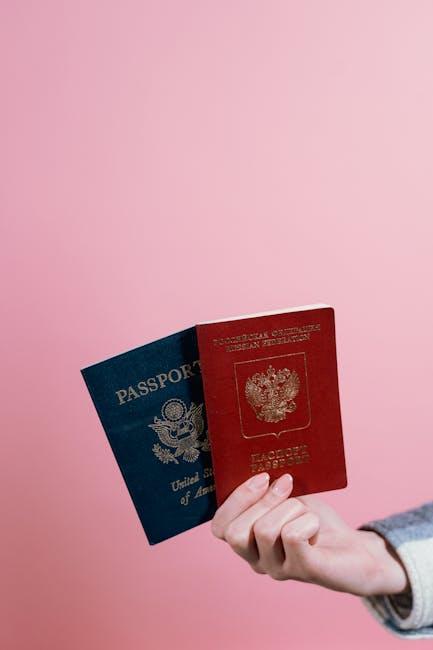
Legal Challenges and Opportunities in Multiple Citizenship
Multiple citizenship unravels a labyrinth of legal intricacies where rights, responsibilities, and allegiances intersect. One core challenge is the inconsistency in recognition by sovereign states. While some nations embrace dual or multiple citizenships, others impose strict prohibitions or require the renunciation of previous nationalities. These disparities fuel complex legal scenarios such as conflicting tax obligations, mandatory military service, and varied voting rights. Navigating these can require expert legal counsel and vigilance, especially as international mobility grows and immigration laws evolve.
Yet, alongside the hurdles emerge significant opportunities that redefine global identity and civic participation. Multiple citizenships empower individuals to access broader social services, employment opportunities, and educational benefits across different jurisdictions. The advantages extend to simplified travel, reduced visa constraints, and the ability to strategically engage in diverse economies. Consider the table below, summarizing potential legal challenges versus opportunities when holding multiple citizenships:
| Aspect | Legal Challenge | Opportunity |
|---|---|---|
| Taxation | Dual tax filing, complex regulations | Potential tax treaties, optimized tax planning |
| Military Service | Obligations in multiple countries | Selective service exemption |
| Political Rights | Inconsistent voting eligibility | Engagement in multiple political systems |
| Travel | Conflicting passport rules | Visa-free access to more countries |
- Legal Awareness: Staying informed about varying citizenship laws is vital to avoid pitfalls.
- Professional Guidance: Consulting immigration and tax experts can mitigate risks and highlight benefits.
- Personal Strategy: Balancing civic duties and opportunities across nations requires thoughtful planning.
Cultural Identity and Personal Belonging Across Borders
Living between nations often means weaving together diverse threads of heritage, language, and tradition into a unique tapestry of self. Individuals with multiple citizenships may find themselves celebrating holidays from different cultures, savoring foods from varied cuisines, and even switching languages based on context — all while trying to answer the ever-persistent question, “Where do I truly belong?” This fluid identity challenges the notion of belonging being confined to a single place, instead embracing a dynamic sense of self that evolves with each border crossed.
The emotional landscape of multiple citizenship also involves navigating loyalties and societal expectations. It’s common to encounter mixed reactions — pride in having access to varied cultures, yet also a sense of feeling “in-between” or incomplete in any one community. Consider the nuances illustrated in the table below, highlighting common feelings experienced by those straddling multiple cultural worlds:
| Sentiment | Typical Experience | Underlying Cause |
|---|---|---|
| Empowerment | Access to diverse opportunities | Broader legal and social networks |
| Alienation | Feeling misunderstood by peers | Cultural differences and stereotypes |
| Enrichment | Embracing multiple traditions | Celebration of diverse roots |
| Conflict | Tension in choosing allegiances | Contradictory national expectations |
- Cultural fluidity allows for a richer, more adaptable personal identity.
- Emotional duality is an inherent part of balancing multiple heritages.
- Social bridges are formed by individuals linking communities across borders.
Practical Tips for Managing Rights and Responsibilities
When juggling multiple citizenships, staying informed about your obligations in each country is crucial. Laws and responsibilities can vary widely, from tax filing to compulsory military service, and missing a requirement could lead to significant legal consequences. Keep organized records of your documentation, such as passports, visas, and tax identification numbers. Utilize digital calendars and reminders to track deadlines and renewal dates, ensuring you never overlook important obligations. Engaging with legal or immigration experts who specialize in dual or multiple citizenship matters can also provide tailored guidance, helping you navigate complex regulations with confidence.
Effective management also means understanding where your rights intersect and diverge. For instance, voting privileges or access to social services might be full in one country but limited in another. Consider creating a personalized matrix like the one below to visualize your rights and responsibilities across your nations of citizenship:
| Country | Voting Rights | Tax Filing | Military Service | Social Benefits |
|---|---|---|---|---|
| Country A | Yes | Annual | No | Full Access |
| Country B | No | Bi-Annual | Mandatory | Limited |
| Country C | Yes | Annual | Voluntary | Partial |
This approach not only keeps your responsibilities clear but also empowers you to exercise your rights strategically, turning potential confusion into clarity and assurance.
Future Trends in Global Mobility and National Identity
As global mobility accelerates, the fluidity of national identity grows ever more intricate, blending personal heritage with international experience. Future landscapes will see individuals embracing multiple citizenships not just as a legal status but as a dynamic expression of belonging. These overlapping identities challenge traditional notions of nationality, pushing societies to rethink citizenship beyond borders and passports. Hybrid identities will become commonplace, where cultural affiliation and legal recognition intersect, shaping new paradigms of inclusion and allegiance.
Governments and institutions must anticipate these changes by fostering policies addressing the evolving needs of citizens holding multiple passports. Balancing security with flexibility, states may introduce innovative frameworks such as:
- Dynamic citizenship agreements facilitating smoother rights and obligations across nations
- Adaptive consular support tailored to the complexities of dual or multiple nationality
- Cultural integration programs that honor diverse identities while strengthening communal bonds
| Trend | Potential Impact | Policy Response |
|---|---|---|
| Global digital nomadism | Flexible residencies | Portable social benefits |
| Multi-citizen voting rights | Complex political participation | Unified electoral frameworks |
| Enhanced identity verification | Secure cross-border movement | Biometric and blockchain tech |
In Summary
In a world increasingly defined by blurred borders and interconnected lives, navigating the maze of multiple citizenship is both a challenge and an opportunity. It calls for a delicate balancing act between loyalty and pragmatism, heritage and legal realities, personal identity and global belonging. As laws evolve and societies shift, the stories of those holding more than one passport remind us that identity is not a fixed destination but a journey—one that reflects the rich, complicated tapestry of human experience in the 21st century. Ultimately, embracing the complexity of multiple citizenship invites us to rethink what it means to belong in an ever-changing world.




