
In a world increasingly defined by borders that blur and cultures that intertwine, holding dual nationality has become both a bridge and a balancing act. It opens doors to diverse opportunities, identities, and alliances, while also presenting unique challenges that ripple through legal systems, personal loyalties, and social expectations. Navigating dual nationality means more than possessing two passports—it means walking the delicate tightrope between two worlds, where citizenship is not just a status, but a complex dance of belonging. This article explores the intricate landscape of dual nationality, shedding light on how individuals can harmonize their dual allegiances in an ever-connected globe.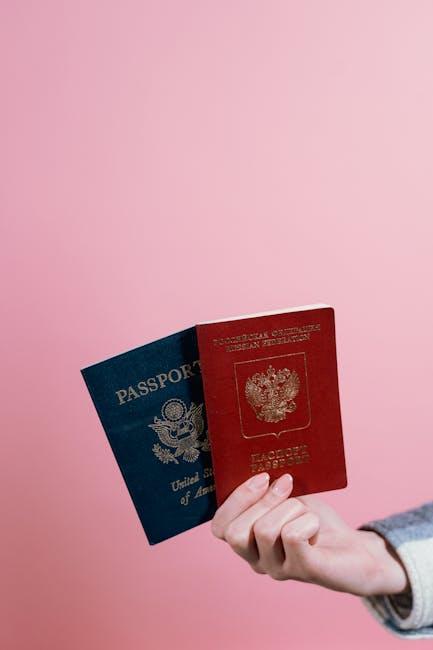
Understanding the Legal Landscape of Dual Nationality
Dual nationality presents a fascinating intersection between two legal frameworks, each with its own set of rights, responsibilities, and nuances. Countries vary significantly in how they recognize and regulate dual citizenship, often influenced by historical, political, and social factors. Some nations actively encourage dual nationality to foster cultural ties and economic benefits, while others impose strict prohibitions or conditions to maintain a singular national allegiance. Understanding these differences is crucial for anyone navigating the complexities of holding passports from two countries, especially when it comes to issues like taxation, military service, and political rights.
To better grasp the complexities, consider the following aspects that commonly affect dual citizens:
- Tax Obligations: Dual nationals may be subject to tax laws in both countries, requiring careful financial planning and sometimes benefiting from international tax treaties.
- Travel and Diplomatic Protection: Having two passports can ease travel, but it might also complicate diplomatic protection if conflicts arise between the two states.
- Military Service Requirements: Some countries mandate compulsory service, meaning dual citizens could face obligations or exemptions depending on their status.
- Rights and Responsibilities: Voting rights, property ownership, and legal protections can differ, necessitating awareness of each country’s laws.
| Country | Dual Citizenship Policy | Key Consideration |
|---|---|---|
| Canada | Fully Permissive | Tax residents must file annually |
| Japan | Restrictive | Must choose one nationality by age 22 |
| Germany | Conditional | Dual citizenship allowed within EU borders |
| Brazil | Permissive | No renunciation required |
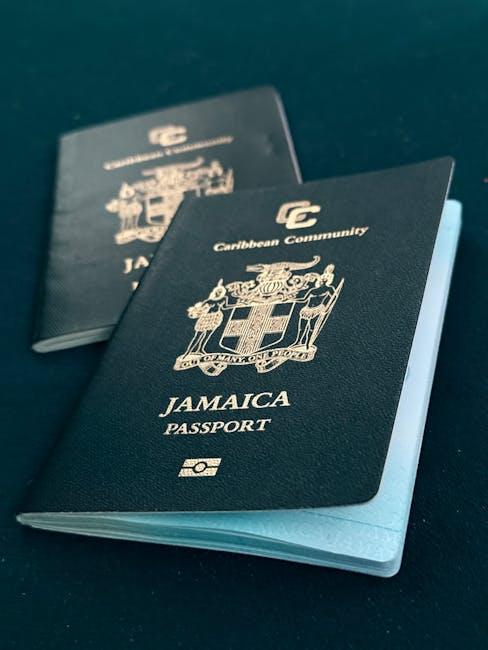
Cultural Identity and Personal Belonging in Two Nations
Living harmoniously between two cultures demands an intricate dance of adaptation and preservation. Individuals often find themselves weaving together the values, traditions, and customs from both nations, cultivating a unique sense of identity that is fluid rather than fixed. This dual belonging shapes perspectives and daily experiences—where a language spoken at home might contrast with the language of the community, and holiday celebrations span a broader calendar, combining diverse rituals. It is through this vibrant fusion that many discover a richer, more complex self, capable of navigating multiple cultural narratives simultaneously.
The emotional landscape of such individuals is marked by both challenges and opportunities, creating a dynamic balance of connection and distancing. Here are key aspects often encountered:
- Sense of belonging: Struggling to feel fully accepted by either nation’s community, yet embracing a hybrid identity that transcends borders.
- Cultural conflicts: Negotiating differing social norms and expectations that sometimes clash.
- Language nuances: Mastering multiple languages leads not only to communication but also to cultural insights and cognitive flexibility.
- Heritage pride: Celebrating the combined legacy strengthens self-esteem and cultural consciousness.
| Aspect | Impact | Coping Strategy |
|---|---|---|
| Identity Fluidity | Varied self-perception across environments | Mindful reflection and open dialogue |
| Community Engagement | Simultaneous participation in distinct social circles | Inclusive events celebrating diversity |
| Cultural Adaptation | Balancing traditions without losing roots | Maintaining rituals from both cultures |
Managing Tax Obligations and Financial Responsibilities
Juggling tax obligations across two countries demands a meticulous approach to avoid the pitfalls of double taxation. It’s crucial to familiarize yourself with each nation’s tax laws, especially the treaties designed to prevent you from being taxed twice on the same income. Businesses and individuals alike should maintain transparent records, ensuring all earnings, assets, and financial activities are properly declared in both jurisdictions. This proactive approach not only mitigates tax risks but also fosters smoother interactions with financial authorities.
Financial responsibilities extend beyond taxes, encompassing everything from social security contributions to estate planning. When managing assets in dual countries, consider these key factors:
- Currency fluctuations: Understand how currency differences affect savings, investments, and liabilities.
- Retirement planning: Recognize how contributions and benefits coordinate between systems.
- Legal compliance: Stay updated on reporting thresholds and deadlines for both citizenships.
| Responsibility | Country A | Country B |
|---|---|---|
| Income Tax Filing | April 15 | June 30 |
| Social Security Contribution | Mandatory | Optional |
| Foreign Asset Reporting | Yes, above $50k | No |
Strategies for Navigating Diplomatic and Travel Complexities
Building a Harmonious Life While Embracing Dual Citizenship
Embracing dual citizenship means weaving together the threads of two cultures, legal systems, and identities into a cohesive tapestry. To build harmony, it’s essential to recognize the unique opportunities and challenges this blend presents. Rather than viewing each nationality as separate compartments, think of them as complementary forces that enrich your perspective. Focus on nurturing relationships in both countries, respecting differing traditions, and staying informed about the rights and responsibilities that each citizenship entails. This balance requires intentionality—allocating time to maintain connections, celebrate cultural events, and stay updated on governmental changes.
Practical strategies can help ease the complexity of living between two worlds. Consider creating a simple framework like this to stay organized and mindful:
- Legal Compliance: Track passport expiration dates, tax obligations, and voting rights.
- Cultural Engagement: Celebrate holidays from both countries and learn languages or dialects to deepen ties.
- Community Involvement: Join local groups or online forums that focus on dual citizens to share experiences and support.
Below is a quick glance at how different aspects can be balanced practically:
| Aspect | Tips for Balance |
|---|---|
| Legal & Administrative | Maintain separate folders for important documents from each country. |
| Cultural Identity | Blend cultural practices by creating hybrid celebrations. |
| Social Connections | Schedule regular calls with family abroad and make new friends locally. |
Final Thoughts
In the intricate dance of dual nationality, individuals find themselves weaving together the threads of two distinct identities, cultures, and legal landscapes. Navigating this dual existence requires more than just paperwork—it calls for an ongoing balancing act of belonging and legal responsibility. While challenges undoubtedly arise, the unique perspective and opportunities that dual citizenship offers can enrich lives in profound ways. Ultimately, embracing the complexities of holding two passports is a journey of continuous exploration, where the intersection of two worlds becomes not a source of conflict, but a bridge to broader horizons.




