In an increasingly interconnected world, the concept of citizenship has evolved beyond the bounds of geography and nationality. For many, holding dual citizenship is not just a legal status, but a complex journey of navigating two identities—woven together by heritage, culture, and opportunity. Balancing the privileges and responsibilities that come with dual allegiance offers both a unique set of advantages and challenges. This article explores the nuanced landscape of dual citizenship, shedding light on how individuals embrace multifaceted identities while leveraging the opportunities that straddle borders.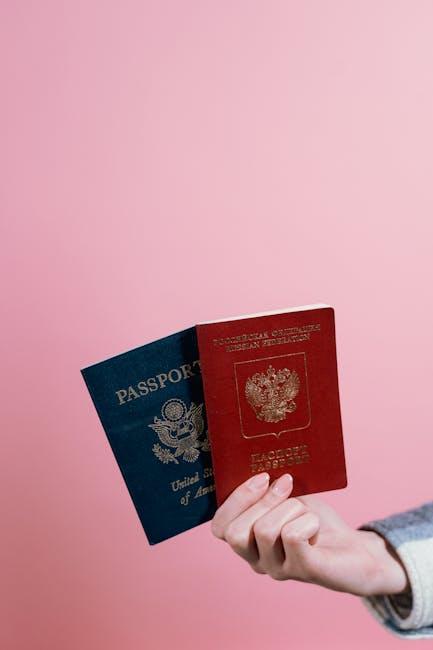
Understanding the Legal Landscape of Dual Citizenship
Exploring the concept of holding multiple nationalities reveals a patchwork of regulations that vary widely across countries. While some nations embrace dual citizenship as a reflection of a globalized identity, others impose strict limitations. These legal nuances influence everything from political rights to tax obligations, challenging individuals to navigate a complex framework that often requires careful legal guidance. Understanding the distinct rules in each jurisdiction is essential to avoid potential pitfalls such as involuntary renunciation or conflicting legal responsibilities.
When assessing dual citizenship, consider several pivotal legal factors that shape the experience for dual nationals:
- Recognition: Does the country publicly acknowledge dual citizenship or require exclusive allegiance?
- Rights and Responsibilities: What rights are retained, and what duties, such as military service or taxation, might dual nationals face?
- Impact on Travel: How does dual status affect visa requirements and border entry protocols?
- Transmission to Descendants: Are children automatically granted citizenship, or does it necessitate additional legal procedures?
| Country | Dual Citizenship Allowed? | Key Limitation |
|---|---|---|
| Canada | Yes | Must declare foreign status in some cases |
| Japan | No | Must choose one citizenship by age 22 |
| United States | Yes | Civil duties in both countries apply |
| India | No | Overseas citizenship without voting rights |

Embracing Cultural Identity Across Borders
Holding a connection to two nations means weaving a tapestry of experiences and traditions that enrich one’s worldview. Embracing this multifaceted identity involves celebrating diverse customs, languages, and values that contribute to a unique personal narrative. The dance between heritage and contemporary life often inspires a deeper understanding of self and the broader global community, fostering empathy and adaptability in an ever-changing world.
Balancing these cultural influences also offers practical opportunities, from increased career options to greater social networks. However, it requires thoughtful navigation to maintain authenticity without feeling fragmented. Strategies that many find effective include:
- Regularly engaging with cultural rituals and festivals from both backgrounds
- Learning and using multiple languages to stay connected
- Building communities that respect and reflect this duality
- Reflecting on personal values to integrate diverse perspectives harmoniously
| Aspect | Challenge | Opportunity |
|---|---|---|
| Language | Potential loss of fluency | Bilingual skills enhance communication |
| Customs | Conflicting social norms | Rich cultural celebrations |
| Identity | Feeling divided between worlds | Broadened personal perspective |
Maximizing Economic and Educational Opportunities
Embracing dual citizenship opens doors to a world where economic prospects are not confined by borders. Individuals can tap into diverse job markets, benefit from reduced barriers to entrepreneurship, and access financial services that might otherwise be limited. This flexibility often results in an enhanced ability to invest, conduct business, and accumulate wealth on an international scale. Additionally, dual citizens enjoy unique advantages such as preferential tax treatment, eligibility for certain government grants, and the freedom to travel for work without the usual visa restrictions.
On the educational front, holding dual citizenship can be a powerful catalyst for both personal growth and academic success. Students can enroll in universities in either country with access to lower tuition fees, scholarships, or special programs designed exclusively for nationals. Furthermore, dual citizenship encourages a broader cultural perspective, fostering language skills and intercultural competencies that enrich learning experiences. Consider these key benefits:
- Access to diverse curriculum and research opportunities
- Eligibility for national scholarships and fellowships
- Broadened professional networks across countries
| Opportunity | Benefit |
|---|---|
| Job Market Mobility | Work visas unnecessary |
| Education | Lower tuition rates |
| Business | Cross-border start-ups |
| Financial | Dual banking access |
Managing Obligations and Responsibilities Effectively
Successfully balancing the duties that come with holding citizenship in two countries requires a proactive approach and a clear understanding of each nation’s expectations. From tax responsibilities to mandatory civic duties like jury service or national identification registration, dual citizens must not only stay informed but also maintain rigorous organization to avoid legal pitfalls. Prioritizing compliance can be achieved by:
- Maintaining updated knowledge of laws pertaining to citizenship obligations in both countries.
- Setting reminders for key deadlines such as tax filings or passport renewals.
- Consulting knowledgeable professionals like lawyers or financial advisors who specialize in cross-border regulations.
It’s also essential to recognize that responsibilities may differ significantly between the two countries. Some obligations might overlap, while others could cause conflict or require special arbitration. The following table illustrates a simplified comparison of common dual citizenship responsibilities:
| Obligation | Country A | Country B |
|---|---|---|
| Income Tax Filing | Annual | Annual |
| Military Service | Optional | Mandatory (ages 18-25) |
| Voting | Right and Responsibility | Right Only |
| Jury Duty | Required | Not Applicable |
Strategic Planning for a Balanced Dual Citizenship Experience
Successfully managing dual citizenship involves more than just holding two passports; it requires a clear, intentional roadmap that honors both cultural heritage and practical benefits. One essential strategy is to define and prioritize your goals—whether it’s access to education, business opportunities, or preserving family ties. Setting a framework helps navigate legal obligations, tax responsibilities, and residency requirements effectively. Embracing this structured approach allows for a smoother integration of both identities without compromising personal or professional aspirations.
Balancing two national allegiances demands a conscious effort to maintain linguistic, social, and emotional connections. Consider the following strategic elements to enrich the experience:
- Regular engagement with cultural communities to sustain identity
- Periodic legal reviews to stay updated on citizenship laws
- Financial planning to optimize tax benefits and obligations
- Travel scheduling to accommodate obligations in both nations
| Focus Area | Key Action | Benefit |
|---|---|---|
| Legal | Consult immigration professionals annually | Compliance and peace of mind |
| Financial | Develop a dual tax strategy | Optimized savings and risk reduction |
| Cultural | Participate in heritage festivals | Stronger identity connection |
| Social | Build networks in both countries | Expanded opportunities and support |
Wrapping Up
In the intricate dance of dual citizenship, individuals find themselves weaving together threads of identity and opportunity, crafting a tapestry that is both complex and uniquely their own. Navigating this path requires thoughtful reflection and a keen awareness of the benefits and responsibilities that come with holding two passports. Ultimately, embracing dual citizenship is not just about legal status—it’s about harmonizing the diverse facets of self, opening doors to new experiences while honoring the roots that ground us. As the world grows ever more interconnected, the journey of balancing identity and opportunity becomes a defining narrative of our time, inviting each person to write their own story with intention and grace.