
In an increasingly interconnected world, the concept of identity is evolving beyond borders and passports. More than ever, individuals are embracing the reality of multiple citizenships, weaving together diverse cultural threads to form a unique global tapestry. Navigating this multifaceted identity offers both opportunities and challenges, reshaping our understanding of belonging, rights, and responsibilities. This article explores the complex terrain of holding multiple citizenships, examining what it means to live at the crossroads of nations in today’s global landscape.
Understanding the Legal Landscape of Multiple Citizenship
Delving into the complexities of holding citizenship across multiple countries reveals a landscape shaped by international laws, bilateral treaties, and national policies that often fluctuate with geopolitical tides. Each nation approaches the concept of dual or multiple citizenship with varying degrees of acceptance, and understanding these legal frameworks is essential for anyone contemplating a multifaceted national identity. While some countries embrace dual citizenship, recognizing the benefits of global mobility and cultural diversity, others impose strict restrictions or outright prohibitions, reflecting concerns about allegiance, security, and legal obligations.
Key considerations when navigating multiple citizenship laws include:
- Residency Requirements: Many countries mandate continuous or significant residency periods to retain citizenship privileges.
- Tax Obligations: Dual citizens may be subject to tax laws in more than one nation, impacting personal finances.
- Military Service: Some countries require compulsory military service from their citizens, which can complicate dual citizenship status.
- Loss of Citizenship: Obtaining a new citizenship can, in some jurisdictions, lead to automatic loss of the original citizenship.
| Country | Dual Citizenship Allowed | Key Restrictions |
|---|---|---|
| Canada | Yes | None for most applicants |
| Japan | No | Must choose one citizenship by age 22 |
| Brazil | Yes | Must declare foreign citizenship |
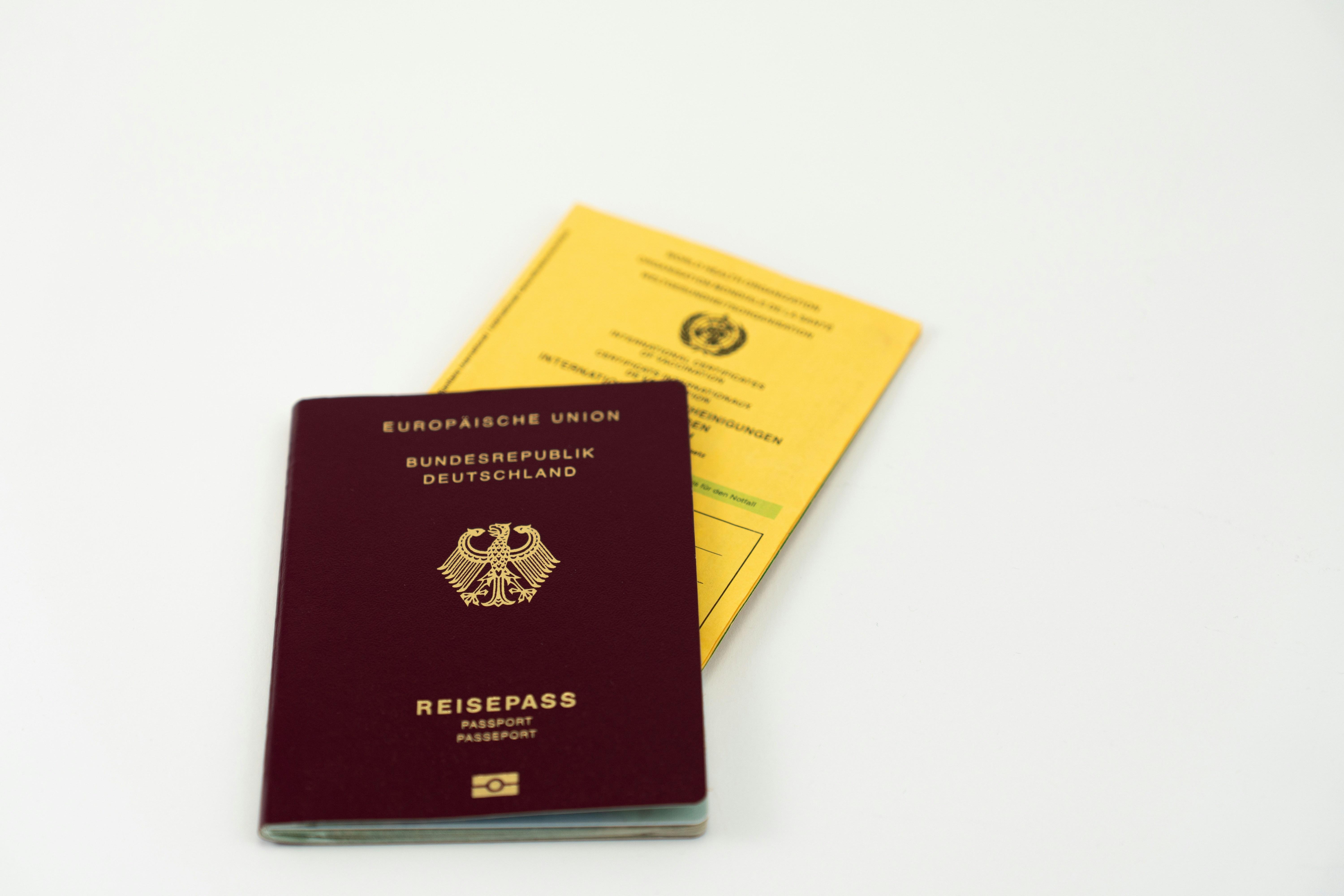
| Germany | Limited | Requires special permission |
Balancing Rights and Responsibilities Across Borders
Embracing multiple citizenships opens doors to a diverse array of legal rights and protections, allowing individuals to tap into the benefits of different nations. However, this global identity also comes with the delicate task of honoring the responsibilities each nation demands. From abiding by tax laws to fulfilling civic duties such as voting or national service, the dual (or triple) role requires a nuanced understanding of where and how these obligations intersect or diverge. Navigating this intricate web means recognizing that rights are accompanied by equally important duties, forging a balanced relationship between privilege and accountability.
Across borders, the balance between rights and responsibilities can often be mapped out through careful planning and awareness. Consider the table below highlighting typical rights and responsibilities linked to multiple citizenships:
| Aspect | Rights | Responsibilities |
|---|---|---|
| Legal Protection | Consular support Right to fair trial |
Obeying local laws Following immigration rules |
| Civic Participation | Voting rights Policy influence |
Paying taxes Community engagement |
| Social Benefits | Access to healthcare Education opportunities |
Contributing to social systems National service (if applicable) |
- Understand each country’s legal landscape to avoid conflicts.
- Stay informed about tax requirements in all countries of citizenship.
- Respect cultural differences and participate meaningfully in local communities.
Challenges and Opportunities in Dual and Triple Nationalities
Embracing multiple citizenships often comes with a tapestry of complexities that can challenge even the most seasoned global citizens. From the legal maze of varying tax obligations to the intricacies of dual military service requirements, navigating these responsibilities demands careful attention. Additionally, political tensions or changes in international relations can sometimes place dual or triple nationals in sensitive positions, where allegiance and access might be questioned. Consider the following common challenges:
- Conflicting legal systems: Differing laws may impact everything from inheritance rights to voting eligibility.
- Taxation issues: Obligation to file taxes in multiple countries can lead to complications and increased financial scrutiny.
- Travel restrictions: Some passports may be restricted or banned in certain regions, affecting mobility.
- Cultural identity struggles: Balancing multiple national identities can sometimes lead to personal or social confusion.
On the brighter side, possessing multiple nationalities unlocks a suite of unparalleled opportunities in our interconnected world. It grants access to broader educational avenues, diverse job markets, and the ability to forge deeper cultural connections across continents. This advantage is often coupled with enhanced diplomatic protection and the freedom to choose the best place to live, work, or retire. The benefits can, in part, be visualized through this comparative overview:
| Aspect | Single Nationality | Multiple Nationalities |
|---|---|---|
| Travel Freedom | Moderate | Enhanced |
| Business Opportunities | Limited | Expanded |
| Access to Services | Country-specific | Multi-jurisdictional |
| Political Participation | Single country focus | Broader influence |
Strategic Considerations for Global Mobility and Taxation
Mastering global mobility requires a nuanced understanding of how citizenship intersections influence taxation obligations. With multiple citizenships, individuals must navigate a labyrinth of diverse tax regimes, each presenting distinct reporting requirements and financial implications. Preparing for this complexity involves proactive planning and collaboration with international tax experts, ensuring compliance without forfeiting financial optimization. Highlighting key touchpoints is vital for clarity:
- Residency Status: This often determines tax liability more than citizenship itself.
- Double Taxation Treaties: Leveraging treaties can prevent being taxed twice on the same income.
- Foreign Account Reporting: Many countries mandate the disclosure of overseas assets and income.
- Exit Taxes and Citizenship Renunciation: Evaluating consequences before making changes to citizenship status.
Understanding the layered obligations across borders means individuals can align their global movement with tax efficiency. The following table offers a snapshot comparison of typical tax considerations faced by multiple citizens in prominent jurisdictions:
| Country | Tax on Worldwide Income | Reporting Requirements | Exit Tax Policy |
|---|---|---|---|
| United States | Yes | FBAR, FATCA disclosures | Yes, for high-net-worth individuals |
| Canada | Yes, if resident | Foreign income reporting | Generally no |
| Australia | Yes, if resident | Global income declaration | Limited |
| Germany | Yes, if resident | Foreign assets disclosure | No |
Building a Cohesive Identity in a Multinational World
In a world where borders blur and cultural intersections multiply, embracing a multifaceted identity is both a challenge and an opportunity. Individuals navigating multiple citizenships often find themselves weaving together diverse customs, languages, and values into a unique fabric of selfhood. This process demands intentionality—balancing allegiances while honoring the distinct parts of one’s heritage. Rather than diluting identity, this integration can enrich perspectives, fostering empathy and adaptability in an increasingly interconnected global society.
To cultivate a cohesive sense of self amid complexity, consider these guiding principles:
- Celebrate common threads: Identify values and traditions that resonate across cultures and let them anchor your identity.
- Stay curious: Continuously explore each culture’s history, arts, and societal norms to deepen your connection.
- Engage communities: Active participation in cultural groups cultivates belonging and shared purpose.
- Reflect regularly: Personal reflection helps harmonize diverse influences into an authentic narrative.
| Element | Impact on Identity | Action Step |
|---|---|---|
| Language | Shapes worldview | Maintain multilingual fluency |
| Traditions | Foster belonging | Participate in cultural ceremonies |
| Legal Status | Expands opportunities | Stay informed on citizenship rights |
| Social Norms | Influence behaviors | Observe and adapt respectfully |
In Conclusion
As the tapestry of global identity continues to weave ever more intricate patterns, navigating the world of multiple citizenships becomes both a personal journey and a reflection of our interconnected era. Embracing the possibilities and responsibilities that come with holding multiple passports invites us to reconsider what it means to belong, to contribute, and to belong again. In a world without borders—at least in spirit—our multiple citizenships are more than legal statuses; they are chapters of a story that spans continents, cultures, and communities. Ultimately, whether by heritage, opportunity, or choice, this evolving mosaic redefines identity, challenging us to see ourselves not just as citizens of one nation, but as global inhabitants sharing a boundless human experience.




