
In a world where borders blur and roots stretch across continents, the concept of identity takes on new dimensions. Dual citizenship stands at the crossroads of belonging and allegiance, offering a unique blend of opportunity and complexity. It promises freedom—the chance to live, work, and participate in multiple societies—but also demands navigation through a maze of legal, cultural, and personal challenges. This article explores the intricate landscape of dual citizenship, unpacking what it means to hold two passports and, more profoundly, two identities. Through this lens, we delve into the evolving definitions of home, loyalty, and self in a globalized era.
Understanding Dual Citizenship in a Globalized World
In today’s interconnected world, holding allegiance to more than one country is becoming increasingly common, reflecting the fluid nature of identity and belonging. Dual citizenship offers a unique lens through which individuals experience cultural diversity, legal rights, and responsibilities across borders. This complex status can enrich lives by providing access to multiple social services, educational opportunities, and economic potentials, yet it also demands navigating a delicate balance of loyalty and legal obligations. The intricate tapestry of dual citizenship challenges traditional notions of nationality, prompting both benefits and paradoxes as people blend global identities with local roots.
Key aspects of dual citizenship include:
- Legal Complexities: Awareness of the legal interplay between two governments concerning taxes, military service, and political participation.
- Cultural Integration: The personal journey of harmonizing diverse cultural values and traditions.
- Mobility and Rights: Enhanced travel freedom and broader access to employment and residency rights.
| Country | Allows Dual Citizenship | Common Restrictions |
|---|---|---|
| Canada | Yes | Must clearly state allegiance to Canada |
| Japan | No | Citizens must choose one nationality by age 22 |
| Brazil | Yes | Requires formal declaration if acquiring another citizenship |
| India | No | Overseas Citizenship offered, but no full dual citizenship |
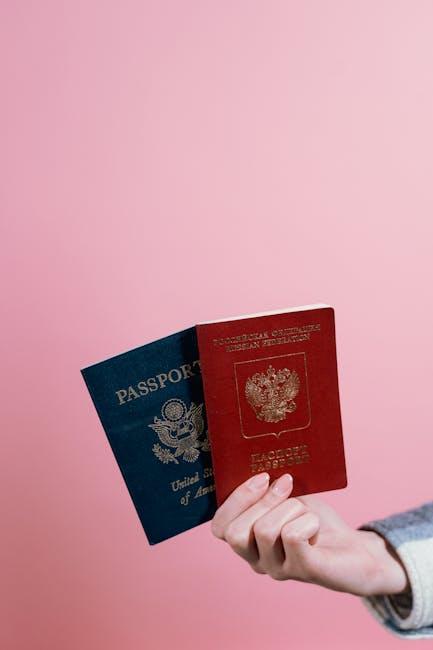
Legal Implications and Responsibilities Across Borders
Holding dual citizenship means stepping into a labyrinth of legal obligations that vary widely between countries. From taxation rules to military service requirements, individuals must carefully navigate the spectrum of responsibilities tied to each nationality. The complexity is compounded by countries that may not recognize dual citizenship, potentially leading to conflicts of allegiance or even legal penalties. Understanding the legal frameworks in both nations is crucial to avoid inadvertent violations or losing citizenship rights.
Beyond the personal dimension, dual citizens often face intricate scenarios regarding voting rights, property ownership, and inheritance laws. The disparities in these legal domains can affect everything from everyday decision-making to long-term financial planning. Consider the following key responsibilities that dual citizens might be subject to:
- Tax Compliance: Filing income taxes in two jurisdictions.
- Civic Duties: Obligations such as conscription or jury service.
- Legal Conflicts: Navigating contradictory laws between countries.
- Passport Use: Choosing which passport to use when entering or leaving each country.
| Responsibility | Possible Consequences | Advice |
|---|---|---|
| Tax Filing | Double taxation or penalties | Consult tax professionals in both countries |
| Military Service | Mandatory enlistment or fines | Research exemptions or deferments |
| Passport Use | Travel complications | Use appropriate passport at each border |
Cultural Connections and the Quest for Belonging
For many dual citizens, the intertwining of diverse cultures is a rich tapestry that shapes their outlook on the world. This connection often goes beyond language and traditions, becoming an intrinsic part of their personal identity. The dance between two cultural heritages can foster a profound sense of pride and simultaneously present challenges—such as reconciling differing social norms or feeling a push-pull between multiple senses of “home.”
Belonging in this context transcends simple geography; it involves finding a space where all facets of one’s identity are acknowledged and embraced. It’s a journey marked by:
- Exploring family histories and cultural narratives
- Negotiating social expectations and community roles
- Building bridges between diverse worldviews and customs
| Aspect | Dual Citizenship Experience |
|---|---|
| Cultural Traditions | Blend of celebrations, cuisine, and rituals |
| Legal Rights | Access to systems in both nations |
| Social Dynamics | Adapting to different societal norms |
| Emotional Identity | Sense of unity and internal conflict |
Challenges in Taxation and Civic Duties Explored
Dual citizenship often places individuals at the intersection of divergent fiscal policies and civic responsibilities, making the navigation of tax obligations particularly intricate. Each country involved may claim the right to tax the same income, leading to potential double taxation unless treaties or exemptions exist. Not only must one decipher varying tax codes, but also maintain rigorous records to comply with reporting requirements such as the Foreign Account Tax Compliance Act (FATCA) or Common Reporting Standard (CRS).
Beyond taxes, civic duties can become a complex puzzle where allegiance and responsibilities compete. Dual citizens might face challenges including:
- Voting obligations: requiring participation in multiple elections or understanding different electoral systems.
- Military service: potential compulsory enlistment depending on the countries’ policies.
- Civic participation: balancing cultural norms and legal requirements amidst diverse national expectations.
| Country | Taxation Complexity | Civic Duty Examples |
|---|---|---|
| Country A | High (Global Income Tax) | Mandatory Voting, Military Draft |
| Country B | Moderate (Residence-Based Tax) | Voting Optional, No Military Service |
| Country C | Low (Territorial Tax) | Mild Civic Participation |
Practical Strategies for Managing Dual Nationality Seamlessly
Balancing the privileges and responsibilities of dual nationality requires intentional organization and cultural sensitivity. Establishing clear systems for managing legal documents, such as passports, visas, and tax obligations, can prevent unnecessary complications. Consider creating a dedicated digital folder with password protection that houses scanned copies of all critical paperwork. This approach ensures quick access during travel or bureaucratic processes. Additionally, staying informed about changing laws in both countries—especially regarding residency and voting rights—can save you from unexpected legal entanglements.
Embracing your dual cultural identity fully can be a rewarding experience when approached with thoughtful strategies. Regularly engaging in community activities from both backgrounds helps maintain a sense of belonging, while also broadening your social network. Here are some key practices to foster harmony between your identities:
- Language Maintenance: Dedicate time to practicing both languages to keep fluency alive.
- Celebrate Diverse Traditions: Participate in festivals and holidays from each culture, blending elements creatively in your personal celebrations.
- Legal Calendar: Maintain a personal calendar highlighting important deadlines such as tax filings and renewal dates for official documents.
- Financial Planning: Consult advisors familiar with cross-border finance to optimize benefits and avoid dual taxation.
Closing Remarks
In the intricate dance of belonging and borders, dual citizenship stands as both a bridge and a battleground—a testament to the evolving nature of identity in our interconnected world. It challenges us to rethink the boundaries that define who we are, reminding us that identity is rarely singular or static, but a mosaic shaped by history, culture, and choice. As individuals and nations continue to navigate this complex terrain, embracing the nuances of dual citizenship may well become a key to unlocking richer, more inclusive understandings of home and self. In the end, it is not just about holding two passports, but about weaving together the stories that each one carries—crafting a unique narrative that transcends traditional borders.




