
In a world increasingly defined by fluid identities and shifting horizons, the concept of citizenship has grown far more intricate than a mere line on a map. Beyond passports and visas lie the subtle, often unspoken journeys of individuals who seek second citizenship—not just as a legal status, but as a gateway to new possibilities, security, and belonging. These quiet transitions unfold in the spaces between nations, weaving stories of ambition, resilience, and complex choice. Exploring the nuanced realities behind second citizenship reveals a landscape where borders blur and identity is continually reimagined—inviting us to rethink what it truly means to call a place home.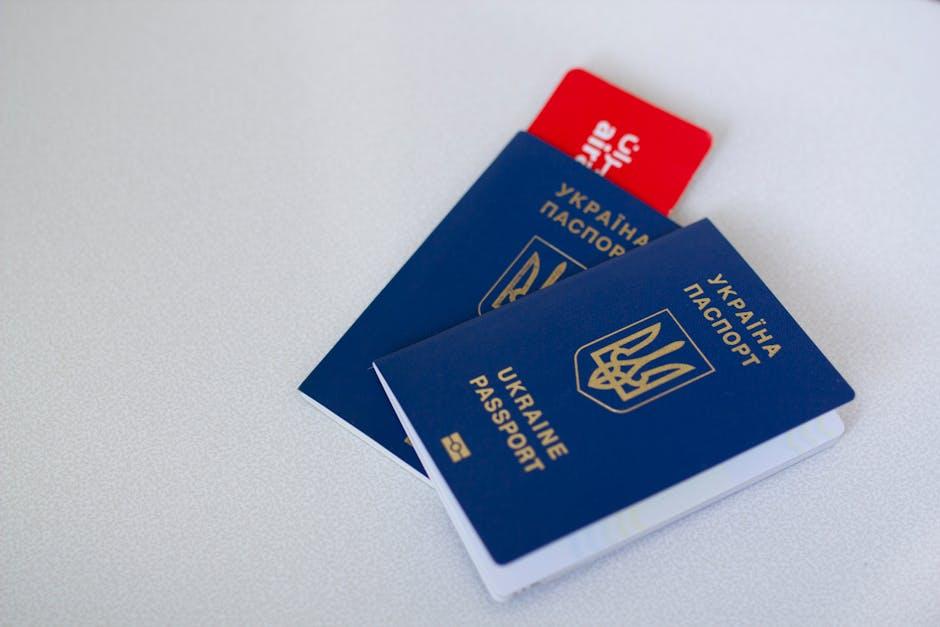
Navigating the Subtle Motivations Behind Seeking a Second Homeland
When Maria first started exploring the idea of second citizenship, it wasn’t about travel perks or tax benefits. For her, it was a quiet, internal tug rooted in identity—a longing to belong somewhere that felt like a genuine home. Born in Brazil but raised in Canada, Maria found herself in a place where she never fully shook off the feeling of being an outsider. The decision to seek a second passport wasn’t just about paperwork; it was about weaving the fragmented parts of her story into a coherent whole. She recalls the moment she sat down after a long day, comparing the official documents of her ancestral homeland and her current country, realizing that this pursuit represented more than legal status—it was an invitation to embrace complexity without sacrificing authenticity.
Of course, expectations rarely line up perfectly with reality. Take David, a software engineer from Kenya, who viewed second citizenship as a straightforward pathway to freedom—freedom from inconsistent policies and limited opportunities. Yet, after securing citizenship in Portugal, he encountered the surprising duality of freedom and constraint: his new passport opened doors across Europe, but the cultural adjustment and legal responsibilities that came with it were less visible hurdles. David’s journey underscores a subtle truth: the motivations behind this quest often intertwine with emotions of security, identity, and sometimes the quiet hope for a fresh start. These nuanced layers reveal themselves only as one travels the complex borderlands between the life they are leaving and the life they hope to embrace.
| Motivation | Expectation | Reality |
|---|---|---|
| Identity and Belonging | Feeling at home immediately | Complex emotional adjustments over time |
| Economic Security | Instant financial freedom | New legal and tax responsibilities arise |
| Mobility and Access | Seamless travel everywhere | Visas and restrictions still apply in certain cases |
- Lesson: Seeking a second homeland often prompts a deeper self-reflection rather than just logistical change.
- Insight: Individuals should prepare for both the liberating and challenging facets of their new status.
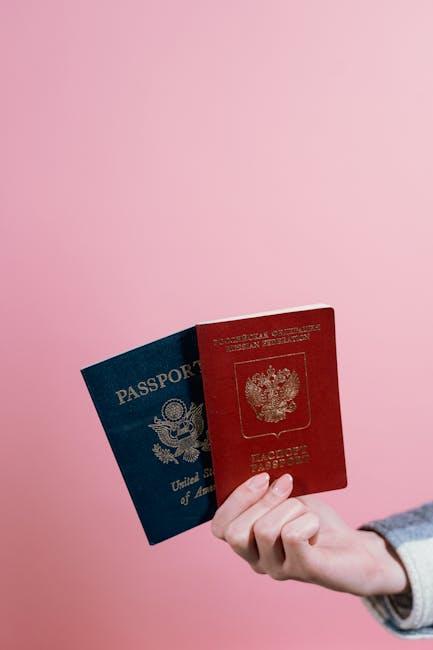
When Legal Paths and Personal Values Diverge
Consider Anna, a tech entrepreneur who pursued a second citizenship to expand her business opportunities internationally. Her legal path to citizenship involved strict compliance with residency and investment requirements, but beneath the formalities lay an unexpected internal challenge. While the law emphasized economic contribution and a clear commitment to the new country’s infrastructure, Anna found herself wrestling with deep questions about loyalty and identity. The legal framework didn’t prepare her for moments when family traditions, personal values, and the unspoken cultural codes of her birth country clashed with the expectations of her new state. This divergence became most evident during a national holiday in her adopted country, where government protocols required participation that felt at odds with her personal beliefs and the historical contexts she carried in her heart.
This tension illustrates a broader reality faced by many navigating dual citizenship: the contrast between legal obligations and personal convictions isn’t always seamless. A second citizenship is often viewed through the lens of opportunity and security, yet it can also force hard choices around identity markers that laws do not dictate but deeply affect everyday life. Below is a brief comparison that highlights these contrasts:
| Legal Expectations | Personal Values and Realities |
|---|---|
| Abide by local laws and civic duties, including national service or pledges. | Balancing inherited cultural beliefs or ethical concerns about national policies. |
| Formally integrate by embracing official symbols and ceremonies. | Managing feelings of alienation or conflicted pride during such events. |
| Focus on the benefits tied to legal status, such as travel freedom and economic rights. | Navigating emotional complexities like skepticism from family or community at home. |
- Insight: Legal recognition does not guarantee emotional or cultural alignment.
- Decision Point: Choosing when to publicly affirm second citizenship and when to honor original roots privately.
- Lesson: Understanding these diverging paths beforehand can prepare individuals for the nuanced realities of their new status beyond paperwork.
Moments of Doubt and Clarity on the Road to Dual Citizenship
For many, the pursuit of a second citizenship begins with hope—a vision of new opportunities, a broader sense of identity, or a safety net amid global uncertainties. Yet, this path is often riddled with moments that prompt more questions than answers. Take Lina, for instance, a young professional who dreamed of holding a European passport. Initial excitement quickly gave way to anxiety as she realized the legal labyrinth and cultural nuances she had to navigate. There was a stark contrast between her expectations of seamless integration and the reality of exhaustive paperwork, language barriers, and prolonged waiting periods. Each delay sowed seeds of doubt: Was it worth the hassle? Would her new citizenship actually open doors, or simply complicate an already complex life?
But amid these doubts came moments of clarity. In one pivotal meeting with a citizenship advisor, Lina learned that beyond the certificates and official documents, dual citizenship meant embracing dual identities—each with its own privileges and responsibilities. Understanding this shifted her perspective from transactional to transformative. It became clear that the journey wasn’t merely about legal status but about shaping a multifaceted self. Many discover that practical concerns—such as tax obligations, voting rights, and cultural adaptation—require careful consideration. Below is a brief comparison reflecting some common contrasts faced by applicants:
| Expectation | Reality |
|---|---|
| Quick, straightforward process | Months or years of complex legal procedures |
| Immediate access to rights and benefits | Gradual integration and learning local customs |
| Simple addition of a new passport | Balancing responsibilities between two nations |
- Lesson 1: Patience is as crucial as paperwork.
- Lesson 2: Embracing dual citizenship means embracing complexity.
- Lesson 3: The journey often reshapes one’s identity more deeply than anticipated.
Stories That Reveal the Unexpected Costs and Freedoms Gained
When Maria, a software developer from Brazil, first set her sights on acquiring a second citizenship, she imagined a smooth path to greater travel freedom and new professional horizons. What she hadn’t anticipated were the subtle, yet significant, emotional costs tied to this decision. The paperwork and legal hoops were just the beginning; the true challenge came with navigating the new identity’s unexpected social expectations. Suddenly, family gatherings took on a new layer of complexity—her relatives questioned why she was ‘abandoning’ her roots, while new acquaintances expected her to represent her adopted country flawlessly. Maria found herself caught between two cultures, realizing that second citizenship often means balancing dual loyalties rather than casting one off for the other.
On the flip side, consider the story of Ahmed, who pursued a second passport to secure stability amid economic uncertainty back home in Egypt. The immediate financial burden—legal fees, travel costs, and investment requirements—was substantial, but it was the newfound freedom that surprised him most. Beyond visa-free travel, Ahmed gained access to education and healthcare systems he hadn’t previously trusted, along with opportunities to build a business untethered from local political unrest. These benefits weren’t just privileges; they translated into peace of mind and practical stability for his young family. However, Ahmed quickly learned that the process required constant vigilance. He had to stay updated on dual citizenship laws, tax obligations, and even manage the emotional toll of living holistically in two worlds.
- Unexpected Emotional Costs: Identity conflicts, family scrutiny, cultural expectations.
- Practical Benefits Gained: Travel ease, education access, business opportunities, legal protections.
- Key Lessons: Second citizenship is as much about personal negotiation as legal status.
| Aspect | Initial Expectation | Reality/Lesson |
|---|---|---|
| Bureaucracy | Straightforward and fast | Lengthy, complex, emotionally draining |
| Identity | New passport, same self | Dual cultural navigation and questions of belonging |
| Freedom | Travel and work anywhere | Expanded freedom but with new responsibilities and legal nuances |
How Second Citizenship Reshapes Identity Across Generations
When Maria obtained her second citizenship, it wasn’t just a legal formality—it quietly shifted how her family viewed identity. Originally from Brazil, Maria’s decision was driven by career prospects in Portugal. Yet, as her children grew up with a blend of languages, traditions, and passports, the idea of belonging became less fixed. Her daughter, for instance, grappled with questions like “Am I Brazilian or Portuguese?” during school projects, feeling both a part of her heritage and something new. This duality sparked rich conversations at home, but also occasional friction when external expectations clashed with their hybrid reality. It was a lesson in how second citizenship doesn’t erase the first; instead, it layers complexity onto personal and familial identities that evolve with each generation.
Contrast this with Ajay’s experience. An Indian-born entrepreneur who secured Canadian citizenship to expand his business, his family initially saw the new status primarily as a tool for economic stability and global mobility. However, over time, his teenage son embraced the multicultural ethos of Canada, blending it with his Indian roots in unexpected ways—from food tastes to social circles. Yet Ajay noticed something subtler: the emergence of an identity that felt less tethered to a single nation and more fluid, navigating multiple worlds with ease but also the occasional struggle to explain that fluidity. Their story highlights key lessons:
- Second citizenship can act as a bridge, connecting heritage with global opportunity.
- Identity reshapes dynamically, influenced by generational perspectives and lived experience rather than legal status alone.
- Expectations often give way to nuanced realities, challenging simplified notions of nationality.
| Aspect | Maria’s Family | Ajay’s Family |
|---|---|---|
| Primary Motivation | Career opportunities in Portugal | Business expansion in Canada |
| Identity Challenge | Balancing cultural belonging vs. legal identity | Navigating fluid multicultural identity |
| Generational Impact | Children questioning dual cultural roots | Teenagers blending multiple cultural influences |
Key Takeaways
As we navigate the intricate terrain of identity and belonging, the pursuit of a second citizenship reveals more than just legal status—it uncovers the quiet journeys each individual embarks upon within themselves. Beyond paperwork and policies lie complex choices shaped by dreams, fears, and the subtle pull of multiple homelands. In crossing these internal borders, we find that citizenship is not merely a label on a passport, but a reflection of the evolving stories we carry, bridging past and future in ways both profound and personal.




