
In a world increasingly defined by movement and connection, the concept of identity has grown more complex and layered. For American dual citizens, life unfolds between two nations, two cultures, and two sets of expectations. This balancing act—of loyalties, legalities, and personal histories—shapes a unique experience unlike any other. Navigating passports, politics, and personal ties, these individuals live at the crossroads of borders both visible and invisible. This article explores the nuanced reality of being an American dual citizen, illuminating the challenges and opportunities that come with holding not just one, but two homes.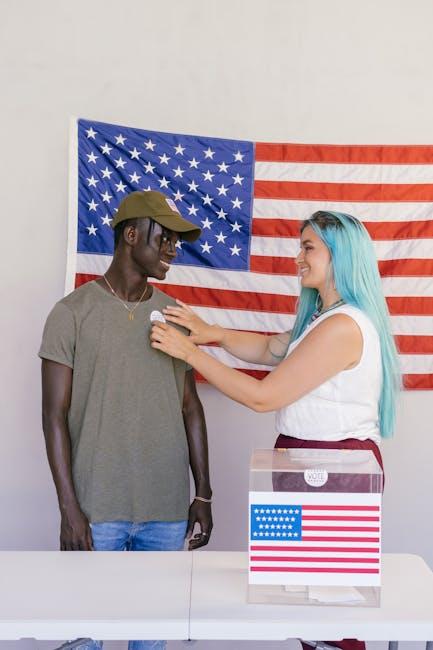
Navigating Identity Between Two Nations
Growing up straddling two cultures brings a complex tapestry of experiences that constantly reshape one’s sense of self. It’s a blend of traditions, languages, and expectations that challenges the simplistic notion of belonging. From celebrating the Fourth of July with fireworks and barbecues to embracing the vibrant festivals of a second homeland, the dual citizen learns to honor the past while living fully in the present. This dual existence fosters a unique worldview, one that embraces ambiguity and flexibility, encouraging an individual to thrive in multiple cultural contexts without losing their core identity.
However, navigating identity between nations is not without its challenges. Decisions as simple as choosing which passport to use or which national customs to observe often require delicate balancing acts. The following table offers a glimpse into common situations where dual citizens find themselves negotiating between two worlds:
| Scenario | Decision Point | Implication |
|---|---|---|
| Voting in elections | Which country’s political system to engage with | Reflects civic priorities and personal values |
| Cultural celebrations | Which holidays to celebrate publicly | Shares identity, builds community connections |
| Career opportunities | Where to work or study | Influences lifestyle, language proficiency |
| Family traditions | Which customs to preserve at home | Maintains intergenerational bonds |
- Adaptation becomes second nature, allowing one to navigate fluidly across diverse environments.
- Introspection deepens as individuals continually reassess where their loyalties and passions lie.
- Empathy expands through firsthand understanding of different societal norms and challenges.
Understanding Legal Obligations and Rights
Navigating the complex landscape of dual citizenship means acknowledging a unique set of legal responsibilities and privileges. American dual citizens must satisfy tax obligations to the IRS while also adhering to the legal frameworks of their other country. This dual compliance often requires meticulous record-keeping and an understanding of international treaties that may alleviate some burdens, such as tax treaties or social security agreements. Beyond taxes, voting rights and eligibility for government benefits can vary widely, emphasizing the importance of being well-informed about each nation’s laws.
Key aspects to consider include:
- Mandatory tax filings and potential liabilities in both countries
- Selective service registration for dual citizens of military age
- Diplomatic protections and responsibilities when abroad
- Inheritance laws affecting property and assets across borders
| Legal Obligation | American Citizen | Second Citizenship |
|---|---|---|
| Tax Filing | Annual IRS Returns | Varies by Country |
| Military Service | Selective Service (Males 18-25) | Varies by National Law |
| Voting Rights | Federal & State Elections | Depends on Local Laws |
Building Bridges Through Cultural Integration
Living as a dual citizen often means navigating a rich tapestry of traditions, languages, and worldviews that might seem disparate but actually complement each other beautifully. This fusion cultivates a unique perspective where understanding and empathy flourish between cultures. The constant dialogue between two different identities encourages openness and adaptability, making it possible to bridge gaps and forge connections beyond borders. It’s a dance of balancing distinct cultural rhythms, where the beauty lies in embracing diversity rather than choosing one path over another.
Key elements that aid this cultural integration include:
- Language as a Connector: Bilingualism not only enhances communication but also deepens cultural appreciation.
- Shared Celebrations: Merging holidays and customs creates new traditions that honor both backgrounds.
- Community Engagement: Participating actively in both cultural spheres strengthens identity and fosters mutual respect.
| Aspect | American Culture | Other Culture |
|---|---|---|
| Communication Style | Direct & expressive | Contextual & reserved |
| Family Dynamics | Independent focus | Collective orientation |
| Festivities | National holidays | Traditional ceremonies |
Managing Finances Across Borders
Juggling finances across two countries requires more than just a sharp eye on exchange rates—it demands a strategic approach to taxation, currency management, and legal compliance. Dual citizens often navigate a complex financial landscape where income, investments, and assets must be reported to both U.S. and foreign tax authorities. Understanding treaties, foreign tax credits, and reporting obligations like the Foreign Bank Account Report (FBAR) can prevent costly penalties and optimize your financial health.
Key considerations include:
- Currency Fluctuations: Carefully monitor exchange rates to maximize the value of cross-border transfers.
- Tax Residency Rules: Know which country considers you a resident for tax purposes to avoid double taxation.
- Investment Strategies: Balance portfolios with awareness of tax implications in both jurisdictions.
- Legal Compliance: Stay updated on reporting requirements such as FATCA and FBAR.
| Financial Aspect | U.S. | Foreign Country |
|---|---|---|
| Tax Filing Deadline | April 15 | Varies (often year-end) |
| Bank Reporting | FBAR & FATCA | Local Reporting Rules |
| Currency Exposure | USD | Local Currency |
| Dividend Tax | Qualified Dividends Taxed up to 20% | Varies by Country |
Tips for Maintaining Emotional Well-being in Dual Citizenship
Living with dual citizenship often means navigating a delicate emotional landscape, where identity and belonging can feel both enriching and challenging. To foster emotional well-being, it is essential to develop a strong personal routine that honors both cultures you belong to. Establishing regular rituals that connect you to each country—be it through cooking traditional meals, celebrating holidays, or staying updated with news—can create a comforting sense of continuity and pride. Additionally, building a support network with friends who understand the dual experience can provide invaluable emotional grounding and shared empathy.
Balancing the expectations and varying social norms of two nations can sometimes lead to internal conflict or cultural confusion. To mitigate this, consider practicing mindfulness techniques such as journaling your feelings or engaging in meditation to center yourself amid fluctuating identities. Here’s a quick guide to emotional self-care for dual citizens:
- Set Boundaries: Allow yourself to say no when cultural or familial pressures feel overwhelming.
- Stay Informed: Keep abreast of both countries’ policies, as staying knowing can reduce anxiety.
- Seek Professional Help: Don’t hesitate to consult counselors familiar with bicultural issues.
| Tip | Benefit | Action |
|---|---|---|
| Celebrate Cultural Festivities | Enhances belonging and identity pride | Participate in local festivals from both nations annually |
| Language Practice | Strengthens cognitive connection to homeland | Join language groups or online conversations |
| Regular Reflection | Clarifies personal values and emotional needs | Keep a dual journal or blog to express your journey |
In Summary
In the delicate dance of dual citizenship, the lines between two worlds blur into a unique rhythm — one that requires constant adjustment, understanding, and grace. To balance borders is to embrace complexity, to carry the stories and responsibilities of more than one homeland within your heart. It is not just a matter of legal status, but an ongoing journey of identity and belonging. For the American dual citizen, life becomes a bridge—connecting cultures, perspectives, and communities in ways that enrich not only the self but also the wider world. In navigating these intertwined paths, they remind us that borders are not just divisions, but opportunities for deeper connection and shared humanity.




