
In a world that grows smaller with every flight and digital connection, the concept of identity is evolving beyond borders and boundaries. Among the many passports that line the pages of travel enthusiasts and global citizens alike, the phenomenon of holding dual citizenship—or “double doors”—has emerged as a powerful tool for navigating modern life. This article delves into the unique advantages of possessing dual passports, unraveling how they open new avenues for freedom, opportunity, and security in an increasingly interconnected globe. Whether driven by heritage, career, or adventure, exploring the benefits of dual citizenship reveals a fascinating portrait of mobility and choice in the 21st century.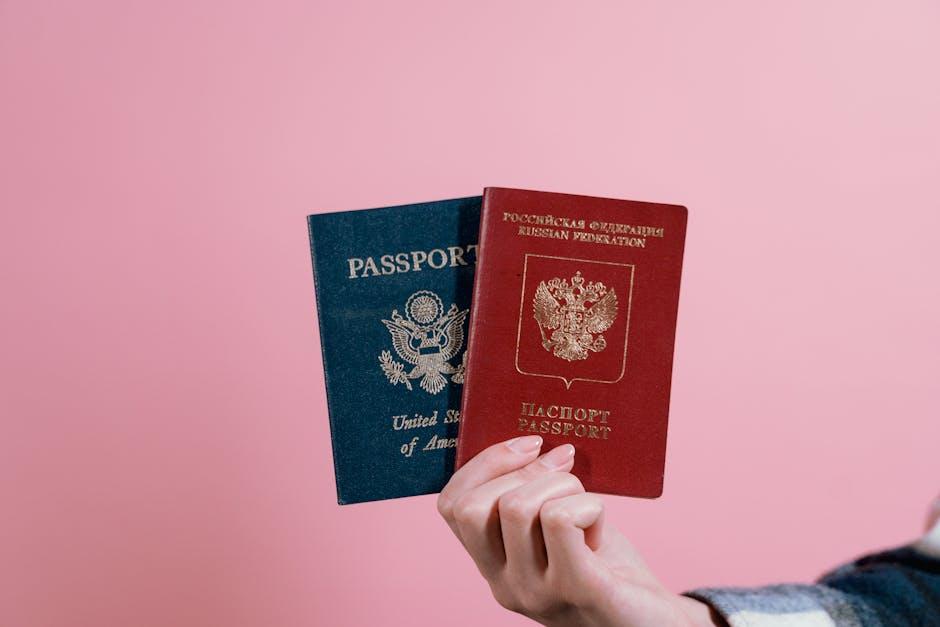
Understanding Dual Citizenship and Its Legal Framework
Holding citizenship in more than one country opens a unique legal landscape where rights, obligations, and privileges intertwine. Dual citizenship isn’t merely about possessing two passports; it signifies a complex legal identity governed by each nation’s laws. While some countries embrace dual nationality with openness, others impose restrictions or conditions to maintain sovereignty and national security. Understanding this legal patchwork is crucial for individuals navigating the benefits and responsibilities of multiple allegiances.
At its core, dual citizenship involves:
- Recognition by both nations of your status as their legal citizen.
- Compliance with the laws, taxation, and service obligations of each country.
- Protection under international treaties and each country’s legal system.
| Country | Dual Citizenship Status | Key Restriction |
|---|---|---|
| Canada | Permitted | None |
| Japan | Restricted | Must choose citizenship by age 22 |
| Australia | Permitted | None |
| Saudi Arabia | Not Recognized | Loss of citizenship upon acquiring another |
Navigating Travel Freedoms and Visa Advantages
Holding a dual passport often means unlocking a world of unrestricted movement that single nationality can’t offer. From easing visa requirements to bypassing geopolitical barriers, dual citizenship can transform your travel experiences by providing access to countries with diverse cultural landscapes and economic opportunities. This freedom extends beyond leisure travel; for business professionals and frequent flyers, it represents a strategic advantage, cutting down on visa application hassles and unexpected travel delays.
Several advantages come bundled with the convenience of dual passports, including:
- Visa-free entry to a broader range of nations.
- Possibility to work or study in two different countries without additional permits.
- Heightened diplomatic protection in times of crisis or travel disruptions.
- Flexibility to choose the passport that offers the fastest or easiest border crossing.
| Aspect | Single Passport | Dual Passports |
|---|---|---|
| Visa-Free Countries | 50+ | 100+ |
| Work Permit Requirements | Often needed | Typically waived |
| Border Waiting Time | Variable | Reduced |
Economic Opportunities and Business Expansion Potential
Holding dual citizenship unlocks a realm of economic advantages that can significantly enhance both personal wealth and professional growth. Entrepreneurs benefit from increased market access, enabling smoother entry into multiple economic zones without the usual visa hurdles. This flexibility often translates to strategic opportunities such as reduced tariffs, favorable tax treaties, and access to local government incentives—all critical factors for cost-effective business operations. In essence, the freedom to operate seamlessly across borders empowers business owners to diversify risks and tap into emerging markets with greater confidence.
Furthermore, dual passports open doors to exclusive networks and partnerships, enhancing credibility in global commerce. Consider the following benefits:
- Access to international financing: Easier eligibility for loans and investment capital in multiple countries.
- Talent acquisition and mobility: Ability to recruit and relocate skilled professionals without restrictive immigration processes.
- Customs and trade facilitation: Streamlined import/export operations, benefiting from preferential trade agreements.
| Benefit | Impact on Business |
|---|---|
| Tax Optimization | Reduces overall tax liability through dual-residence planning |
| Market Diversification | Reduces dependence on a single economy |
| Regulatory Advantages | Eases compliance with local laws and procedures |
Protecting Personal Security and Political Stability
Personal security often hinges on flexibility and access — qualities enhanced significantly by holding dual passports. In uncertain political climates or regions of conflict, dual citizenship acts as a safeguard, providing an alternative residence and a legal fallback. For individuals living in or traveling through unstable areas, the freedom to relocate quickly and securely becomes invaluable, ensuring the safety of themselves and their families.
On a broader scale, dual passports contribute to political stability by fostering diplomatic balance and economic resilience. Citizens with ties to multiple nations often become informal bridges for cultural exchange and international cooperation. This dual identity can enhance understanding between countries and promote peaceful coexistence. The following list highlights key security and stability benefits:
- Emergency evacuation options in case of regional unrest or natural disaster.
- Increased protection through multiple legal systems.
- Broader access to consular support worldwide.
- Strengthened personal freedoms and mobility.
| Aspect | Single Passport | Dual Passports |
|---|---|---|
| Mobility | Limited by one nation’s relations | Broader international travel access |
| Security Backup | No alternative protection | Multiple legal protections |
| Political Risk | Vulnerable to single country instability | Mitigated through diverse affiliations |
Practical Tips for Managing Dual Passports Efficiently
Keeping track of two passports requires a proactive approach and a bit of savvy organization. Consider creating a dedicated travel folder—digital or physical—where you store photocopies, visa applications, and expiration reminders for both passports. Setting calendar alerts for passport renewals and visa expiry dates can prevent last-minute hassles. It’s also crucial to understand each country’s rules about passport usage; some nations require entering and exiting with the same passport, so plan your travel documents accordingly.
Storing your passports separately but securely adds an extra layer of safety, especially during travels. For quick reference, maintain a simple chart outlining key passport details like issue date, expiry date, and visa history. Below is a sample table structure for organizing such information effectively:
| Passport | Country | Issue Date | Expiry Date | Next Renewal |
|---|---|---|---|---|
| Primary | USA | 01/12/2018 | 01/12/2028 | 2028 |
| Secondary | Canada | 15/06/2020 | 15/06/2030 | 2030 |
- Backup Copies: Store scanned copies securely in cloud storage.
- Separate Storage: Keep passports in different bags or compartments during travel.
- Know the Law: Understand entry and exit requirements for each nationality.
- Stay Updated: Regularly check visa requirements and travel advisories.
The Conclusion
In a world that’s more connected than ever, double doors represent more than just a physical gateway—they symbolize the freedom, flexibility, and opportunities unlocked by holding dual passports. Whether it’s for travel convenience, expanded career prospects, or deeper cultural ties, navigating life through two national lenses offers a unique vantage point. As borders blur and identities intertwine, embracing the benefits of dual citizenship allows individuals to step confidently between worlds, opening new chapters in their global journeys. Ultimately, these double doors don’t just lead to different countries—they lead to a richer, more empowered way of experiencing the world.




