
In a world where borders blur and identities intertwine, the possession of dual passports stands as both a gateway and a puzzle. Navigating the complex terrain of dual nationality reveals a landscape rich with opportunity yet shadowed by intricate legalities and cultural nuances. This article explores the multifaceted nature of holding two citizenships—unveiling how dual passport holders bridge divides, negotiate rights, and balance the delicate interplay between belonging and bureaucracy in an increasingly interconnected globe.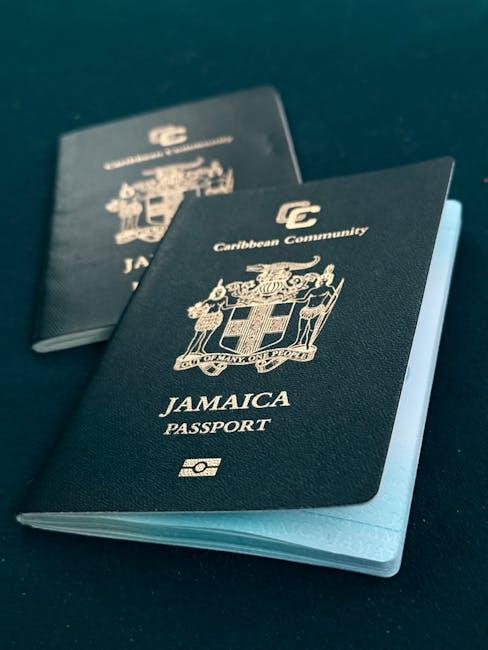
Understanding the Legal Landscape of Dual Passport Nationality
Holding dual passports can open doors globally, but it also introduces a complex matrix of legal considerations. Governments vary widely in their recognition of multiple nationalities, often imposing different rules based on diplomatic relations, security concerns, and national loyalty. Some countries permit dual citizenship freely, while others may demand the renunciation of previous allegiances. For individuals, understanding this patchwork is crucial before embarking on life across borders—missteps can lead to legal conflicts, such as taxation disputes or military service obligations.
Key legal factors to weigh when managing dual nationality include:
- Residency requirements: Where you live may affect the retention or loss of one nationality.
- Rights and responsibilities: Each passport carries its own civic duties, such as voting or taxes.
- International agreements: Some countries have treaties easing dual citizenship restrictions; others do not.
| Country | Dual Citizenship Policy | Key Restriction |
|---|---|---|
| Canada | Permitted without restriction | None |
| Japan | Allowed with compulsory choice by age 22 | Must renounce one citizenship |
| Germany | Restricted, mainly for EU citizens | Automatic loss of citizenship for others |

Balancing Identity and Responsibility Across Borders
Holding citizenship in more than one country is a journey of profound duality, where personal identity intertwines with the complex fabric of legal obligations. Each passport carries its own narrative—a story of heritage, culture, and allegiance. Yet, managing these parallel identities demands a keen awareness of distinct responsibilities that transcend geographical boundaries. From tax obligations to military service requirements, dual nationals often find themselves navigating a labyrinth of potential duties that can at times clash or overlap, requiring careful planning and a deep understanding of both nations’ laws.
Challenges and Advantages Unfold in the Balance:
- Legal Complexity: Different citizenships may impose conflicting obligations, such as filing taxes in two countries or mandatory national service.
- Emotional Navigation: Balancing cultural integration with national loyalty can create a sense of identity fluidity.
- Unique Opportunities: Access to diverse work, education, and travel privileges enhances personal and professional growth.
| Aspect | Consideration | Example |
|---|---|---|
| Legal Duties | Tax filings | U.S. citizens must report global income regardless of residence |
| Military Service | Potential conscription | South Korean males face mandatory enlistment |
| Travel Flexibility | Visa-free access | EU passports allow seamless intra-Schengen travel |
Practical Challenges in Travel and Residency with Two Passports
Traveling with two passports can seem like a seamless advantage, but it often brings a wave of practical hurdles that many aren’t prepared for. One of the most common obstacles is the complex web of visa regulations that vary dramatically between countries. For instance, travelers might find themselves juggling conflicting entry and exit requirements depending on which passport they use at various checkpoints. This triggers a delicate balancing act in deciding the most strategic passport to present, ensuring they don’t inadvertently jeopardize future travel or invite scrutiny from border officials.
Moreover, residing in a foreign country with dual nationality isn’t always straightforward. Issues like:
- tax obligations and reporting duties to multiple governments
- differing residency permits linked to each nationality
- legal ambiguities around military service, inheritance, and social benefits
can complicate life overseas. Managing these requires not only meticulous documentation but often the assistance of legal experts familiar with the nuances of dual citizenship laws around the world.
| Challenge | Impact | Solution |
|---|---|---|
| Conflicting Visa Rules | Denied entry or extended delays | Consult updated embassy sites before travel |
| Dual Tax Reporting | Unexpected financial penalties | Hire cross-border tax advisors |
| Residency Permit Confusion | Legal uncertainties and penalties | Keep separate records for each nationality |
Maximizing Benefits While Mitigating Risks of Dual Citizenship
Holding dual citizenship opens doors to remarkable opportunities—whether through expanded travel freedoms, broader access to education, or enhanced career prospects in multiple countries. To truly maximize these benefits, individuals should meticulously research the legal frameworks and residency requirements of both nations involved. Building a robust understanding helps one take advantage of tax incentives, social programs, and voting rights that might otherwise go unexplored. Additionally, leveraging cultural ties fosters deeper personal and professional networks, transforming a dual passport from a mere document into a bridge of global connectivity.
However, navigating this complex status requires vigilance against potential pitfalls. Dual nationals must be aware of conflicting laws, such as mandatory military service or dual taxation, that can complicate their global presence. Implementing strategies like staying current on immigration policies and consulting legal experts can mitigate these risks effectively. The table below outlines key areas to monitor diligently:
| Aspect | Potential Risk | Mitigation Strategy |
|---|---|---|
| Taxation | Double taxation on income | Utilize tax treaties and seek expert advice |
| Military Service | Compulsory conscription in one country | Request exemptions or deferments |
| Travel Restrictions | Visa requirements despite dual passports | Stay updated on entry policies |
Expert Guidance for Managing Taxes and Legal Obligations Abroad
When juggling multiple citizenships, understanding your tax responsibilities can feel like decoding a complex puzzle. It’s essential to recognize that dual nationals might be liable for taxes in more than one country, often leading to challenging scenarios of double taxation or intricate filing requirements. Leveraging professional advice from tax experts who specialize in international jurisdictions can ensure compliance while optimizing your financial standing. Look for advisors who offer tailored strategies such as:
- Utilizing tax treaties to minimize double taxation
- Planning income streams based on residence and source
- Navigating foreign account reporting obligations effectively
- Maintaining proper documentation for all jurisdictions involved
Legal obligations extend beyond tax codes and often require careful monitoring of citizenship laws, residency permits, and asset declarations. Missing deadlines or misunderstanding local regulations can lead to severe penalties or complicated legal consequences. To illustrate, consider the following checklist that dual passport holders should routinely verify:
| Obligation | Recommended Action | Frequency |
|---|---|---|
| Annual Tax Filing | File returns in both countries, if applicable | Yearly |
| Report Foreign Assets | Declare all overseas financial accounts and properties | Annually |
| Maintain Valid Visas/Residency Status | Renew permits or residency visas timely | As required |
| Update Legal Documentation | Keep passports and identification papers current | Every 5-10 years |
In Summary
As the world becomes ever more interconnected, the concept of dual passport nationality continues to weave a complex tapestry of identity, opportunity, and challenge. Navigating these overlapping allegiances requires not only an understanding of legal intricacies but also a thoughtful appreciation of the personal narratives behind each passport’s stamp. Whether viewed as a bridge between cultures or a maze of regulations, dual nationality invites us to reconsider the very nature of borders—both tangible and intangible—in our modern lives. In embracing these complexities, individuals find new ways to traverse the global landscape, crafting stories that are as multifaceted as the passports they carry.




