
In an increasingly interconnected world, the notion of identity transcends borders, weaving a complex tapestry of cultural, legal, and emotional ties. For American citizens holding dual citizenship, life is a unique balancing act between two nations-two sets of laws, histories, and expectations. This dual status invites both opportunity and challenge, offering a broadened perspective while demanding navigation through sometimes conflicting realities. In this article, we delve into the lived experiences of these individuals, exploring how they reconcile the privileges and responsibilities of belonging fully to more than one country. Through reflective insight and candid stories, we aim to illuminate the nuanced landscape of dual citizenship in modern America.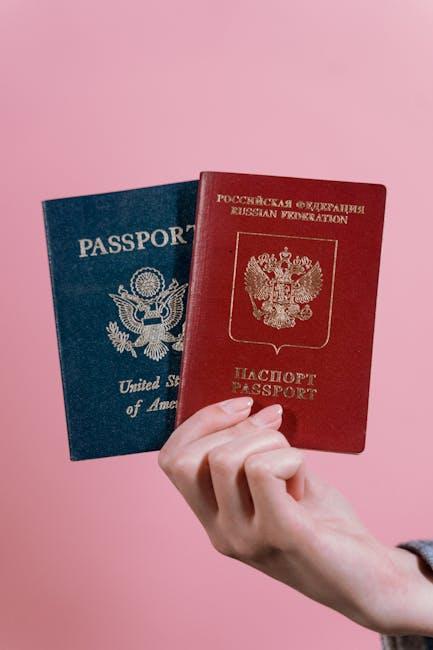
Navigating Heritage and Identity in Everyday Life
For many American citizens with dual citizenship, navigating heritage and identity is an ongoing, often subtle negotiation. Take Maria, who holds both U.S. and Colombian passports. At family gatherings in the U.S., she senses a gentle push to prioritize American customs-thanksgiving dinners and Halloween costumes, for instance. Yet, moments later, she receives calls from relatives in Bogotá, where cultural expectations demand that she celebrate specific holidays with traditional flair or maintain fluency in Spanish. These expectations create a balancing act between two cultural landscapes. Maria’s story highlights how dual citizens often encounter moments where the question “Where do I truly belong?” isn’t about geography but the daily choices that shape their lived identities.
Such experiences frequently unfold around familiar life events that, at first glance, seem simple but carry complex layers of meaning. For example, when Daniel, born to Egyptian-American parents, decided where to enroll his children in school, the choice extended beyond academics. Should he select a curriculum focusing on American history and values, or one that incorporated aspects of Egyptian culture and language? This decision reflected his broader contemplation of identity transmission and cultural preservation. Here, identity isn’t static; it’s a lived process affected by those small yet significant decisions. The contrast between expectation and reality – wanting to pass down heritage but adjusting to the immediate social environment – shows how dual citizens continuously redefine themselves in everyday life.
| Situation | Cultural Expectation | Reality / Decision |
|---|---|---|
| Holiday Celebrations | Observe U.S. holidays fully | Blend both traditions selectively |
| Language Use at Home | Speak heritage language fluently | Mix English with heritage language depending on context |
| Community Engagement | Engage predominantly in one cultural community | Navigate multiple communities fluidly |
When Loyalties Collide: Complex Choices and Quiet Compromises
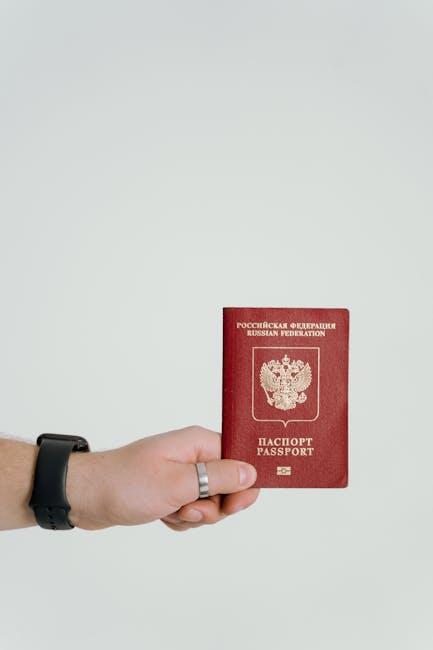
Imagine Maria, who holds dual citizenship with the United States and Mexico. When political tensions escalate between the two countries, she finds herself caught in the middle-not just in conversations, but in real-life decisions. During her annual family visits, conversations that once felt warm and familiar now carry an undercurrent of uneasy loyalty. On one hand, she wants to support her family’s views back home; on the other, she grapples with her American community’s perspective, which sometimes conflicts sharply with her Mexican relatives’ experiences. These moments don’t just test her patience-they challenge her identity. It’s in these quiet exchanges, during shared meals or spirited debates, that many with dual citizenship discover the nuanced art of navigating conflicting expectations, often learning to listen more and assert less, crafting a personal balance that honors both worlds without fully sacrificing either.
Consider Ahmed, who works in tech and holds citizenship in both the U.S. and Egypt. When a major project required him to choose between relocating temporarily to Cairo or staying in his Silicon Valley office during a particularly sensitive international business negotiation, his decision was anything but straightforward. The expectations from both sides bore heavily: his U.S. colleagues counted on his presence, while his Egyptian partners valued face-to-face diplomacy. In the end, Ahmed struck a compromise-splitting his time in both locations. This choice meant extra travel and moments of exhaustion, but it also revealed an important lesson about dual allegiances: the best outcomes often come not from choosing one side over the other, but from weaving together the strengths of both. Such decisions embody a recurring theme for dual citizens-balancing loyalty is rarely black and white, but a mosaic of compromises shaped by context, timing, and personal values.
| Scenario | Expectation | Compromise Outcome |
|---|---|---|
| Family Conversations | Align fully with one homeland’s views | Listen openly, foster understanding on both sides |
| Professional Relocation | Choose one country’s office exclusively | Split time, maintain relationships in both places |
- Lesson: Loyalty is a flexible concept, often needing creative navigation rather than rigid adherence.
- Reality Check: Immediate clarity is rare; emotional balance takes time and empathy.
Stories from the Crossroads of Two Nations
Maria’s journey embodies the delicate balance of identity and responsibility faced by many dual citizens. Born in Mexico but raised in Texas, she often found herself navigating contrasting cultural expectations. When her family insisted she prioritize traditions back home, and her American friends encouraged her to embrace individualism, Maria felt pulled in different directions. A pivotal moment came when she had to choose which country to work in after college. The decision wasn’t just about opportunity but about belonging, taxes, and even healthcare considerations. This experience highlighted a core reality: dual citizenship is a constant negotiation between two worlds, each demanding loyalty and offering different kinds of security.
In contrast, take the example of John, a dual citizen of the U.S. and Canada, whose expectations of seamless cross-border residency were challenged by real bureaucratic hurdles. He anticipated straightforward access to social benefits in both countries but discovered that tax filing alone became an annual maze of forms and deadlines. Through trial and error, John learned to organize his finances meticulously and seek professional advice. His story underscores how some dual citizens often face a rigorous learning curve about legal complexities that don’t exist in single citizenship, blending personal identity with practical, sometimes unexpected, consequences.
- Key Themes Emerged:
- Emotional tug-of-war between cultural identities
- Practical challenges of tax, healthcare, and legal obligations
- Importance of informed decision-making and professional guidance
| Aspect | Expectation | Reality |
|---|---|---|
| Healthcare Access | Seamless use in both countries | Restricted to residency-based eligibility |
| Tax Filing | Simple and straightforward | Complicated, needing expert help |
| Cultural Identity | Complete belonging to both nations | Sometimes feeling divided or in-between |
Lessons in Adaptation from Life Between Borders
For many American citizens holding dual citizenship, life between borders becomes a constant exercise in adaptation rather than a simple alternation between two worlds. Take the example of María, who moved between her American upbringing and her Mexican roots. Upon returning to Mexico to care for aging parents, she anticipated seamless cultural reintegration but was instead met with unexpected bureaucratic hurdles and social expectations. Navigating these moments required her to learn not only the language nuances but also the unspoken norms of interaction-lessons that reshaped her perspective on identity and belonging. This duality often means making decisions that don’t just impact travel or legal status but deeply personal aspects such as where to raise children or which traditions take priority during holidays.
Such scenarios reveal several key lessons in adaptation that many dual citizens share:
- Flexibility in Identity: Rather than seeing culture as fixed, embracing a fluid identity helps ease transitions.
- Understanding Differing Expectations: Expectations in professional or social settings can vary dramatically; what feels normal in one country may require explanation or adjustment in another.
- Patience with Bureaucracy: Processes like renewing passports or dealing with taxation systems often contrast sharply between nations, demanding organization and resilience.
| Expectation | Reality | Lesson Learned |
|---|---|---|
| Instant acceptance in both cultures | Encountered subtle judgments questioning loyalty or knowledge of cultural customs | Building trust takes time and openness from both sides |
| Simple travel logistics | Complex visa rules, tax filings, and residency requirements more complicated than anticipated | Advance planning and legal advice are essential |
Finding Harmony Amid Cultural Expectations and Legal Realities
Maria, a second-generation Mexican-American, remembers the moment she had to reconcile her loyalty to her family’s traditions with the legal obligations of her American citizenship. When her elderly grandmother insisted on a traditional quinceañera for her daughter, Maria grappled with the knowledge that dual citizenship meant navigating two sets of rules-not just about identity but also about legal responsibilities. While the quinceañera was a heartfelt celebration of cultural roots, Maria found herself juggling paperwork for her daughter’s school enrollment and ensuring that her family’s stay in the U.S. was properly documented. This blend of cultural celebration and legal vigilance taught Maria an invaluable lesson: embracing two worlds means more than honoring heritage; it requires an ongoing dialogue between personal values and civic duties, often demanding flexibility and patience.
Such experiences are common among dual citizens and highlight the complexity behind what often seems like a harmonious dual identity. Consider the following contrasts many face:
| Expectation | Reality |
|---|---|
| Seamless travel between countries | Complicated visa rules and tax implications |
| Full rights in both countries | Restrictive laws on voting or military service |
| A unified sense of identity | Emotional tension and community divide |
- Lesson in flexibility: Being able to switch between cultural expectations requires openness and sometimes sacrifice.
- Legal vigilance: Understanding citizenship laws-not just celebrating culture-protects one from inadvertent legal trouble.
- Bridging communities: Dual citizens often serve as vital connectors between their countries, fostering understanding despite complexity.
In this delicate balance, the harmony isn’t about erasing differences but rather respecting both cultural desires and legal realities. Such a pursuit, as Maria’s story illustrates, is a continuously evolving journey, shaped by personal experiences and practical challenges alike.
In Retrospect
Navigating the delicate dance between two homelands, American citizens with dual citizenship embody a living bridge of cultures, laws, and identities. Their stories reveal not only the complexities of legal obligations and social expectations but also the profound enrichment that arises from holding two passports to the world. As they balance the realities of dual allegiance with reflections on belonging, these individuals invite us to reconsider the meaning of nationality in an interconnected age-where borders blur, and identity is not confined to a single place but expanded across the horizon of multiple worlds. In embracing dual citizenship, they live at the crossroads of diversity, embodying the challenges and possibilities of a truly global citizenry.




