
In an increasingly interconnected world, the concept of belonging transcends borders like never before. “Unlocking New Horizons: The Rise of Second Citizenship Options” delves into the evolving landscape where individuals seek more than just a passport—they seek freedom, security, and opportunity on a global scale. From entrepreneurs chasing new ventures to families prioritizing future stability, second citizenship is no longer a niche pursuit but a growing phenomenon reshaping notions of identity and mobility. This article explores how diverse programs around the world open doors to fresh possibilities, inviting a reimagining of what it means to call a place home.
Exploring the Motivations Behind Seeking Second Citizenship
In an increasingly interconnected world, the allure of holding a second citizenship extends beyond mere travel perks. For many, it represents a strategic lifeline — a gateway to enhanced security, economic freedom, and flexible residency options. Entrepreneurs eye global markets with renewed confidence, while families pursue stability and enriched educational prospects. This deeper, multifaceted motivation often reflects a personal blueprint for resilience amid geopolitical flux and economic uncertainties.
Common drivers for embracing a dual nationality include:
- Access to broader professional and business opportunities
- Improved healthcare and social benefits
- Enhanced political and economic stability
- Facilitation of international travel without visa restrictions
- Ability to safeguard assets and wealth globally
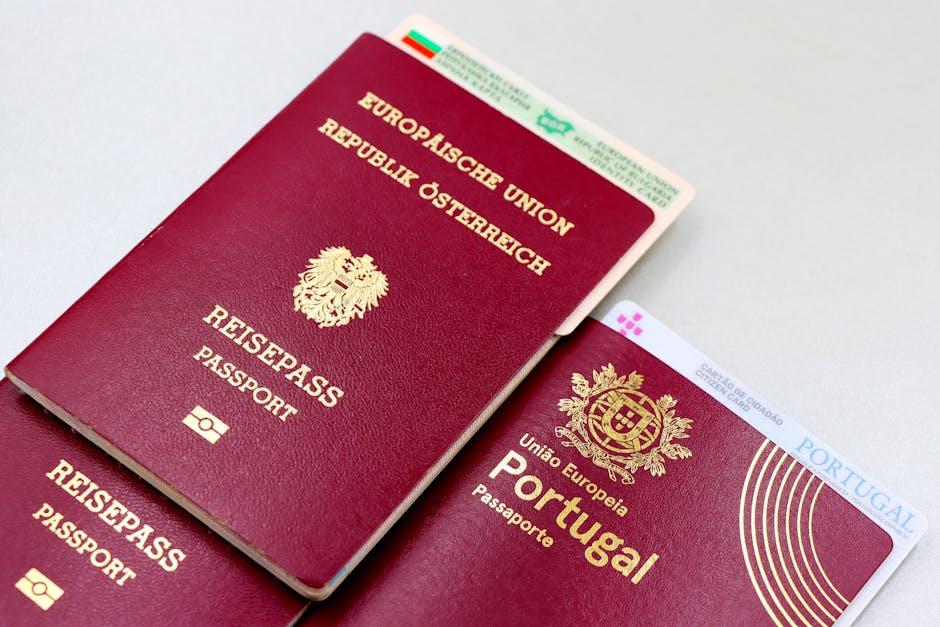
Key Countries Leading the Second Citizenship Movement
As the demand for global mobility intensifies, several nations have distinguished themselves as frontrunners in offering second citizenship, each with unique incentives and benefits. Countries like St. Kitts and Nevis and Dominica in the Caribbean provide streamlined paths to citizenship through investment programs, prized for their visa-free access to over 150 countries. Meanwhile, in Europe, nations such as Portugal and Malta blend rich cultural heritage with strategic economic advantages, making them hotspots for investors seeking access to the European Union. These countries have crafted programs that not only offer a quick route to citizenship but also promise stability, security, and a high quality of life.
Beyond the alluring financial benefits, what sets these key players apart is their responsiveness to global trends, including the rise of remote work and changing geopolitical climates. Here’s a closer look at the standout features of leading second citizenship destinations:
- St. Kitts and Nevis: Established Citizenship by Investment (CBI) program with a fast-track approval process.
- Dominica: Cost-effective investment options with robust passport strength.
- Portugal: Golden Visa program offering residency leading to citizenship with a focus on real estate investment.
- Malta: Comprehensive citizenship program combining residency, investment, and cultural integration.
| Country | Investment Type | Processing Time | Visa-Free Travel |
|---|---|---|---|
| St. Kitts and Nevis | Real Estate / Donation | 3-6 months | 150+ countries |
| Dominica | Donation / Real Estate | 2-4 months | 145+ countries |
| Portugal | Real Estate | 12-18 months | 185+ countries |
| Malta | Investment / Residency | 12-24 months | 185+ countries |
Navigating the Legal and Financial Implications
Obtaining a second citizenship is more than just a bureaucratic checklist—it’s a complex journey through a mosaic of legal frameworks and financial obligations. Aspiring dual nationals must be vigilant about the regulatory landscapes, which vary widely from country to country. Understanding visa requirements, tax liabilities, and residency obligations is crucial before taking the plunge. For example, some nations impose strict reporting standards, while others offer relaxed financial disclosures that can impact global wealth management strategies. Navigating these details effectively ensures compliance without compromising the benefits a second citizenship can unlock.
Key considerations include:
- Tax Implications: Understanding potential double taxation treaties can prevent unwelcome surprises.
- Legal Restrictions: Restrictions on dual citizenship vary—some countries request renunciation of original nationality.
- Investment Requirements: Many citizenship programs demand minimum investment thresholds or real estate purchases.
- Compliance Monitoring: Staying updated on changes in citizenship laws is vital for maintaining lawful status.
| Country | Tax Regime | Dual Citizenship Allowed | Investment Minimum |
|---|---|---|---|
| Portugal | Moderate | Yes | €280,000 |
| St. Kitts & Nevis | No taxation on foreign income | Yes | $150,000 |
| Singapore | Territorial | No | $2 million |
Evaluating the Benefits and Potential Risks
Exploring second citizenship brings an array of advantages that extend beyond travel convenience. It offers enhanced global mobility, the chance to access new financial and business opportunities, and the ability to secure a more stable future for families. Alongside these benefits, second citizenship can provide greater personal security, especially for individuals from politically or economically volatile regions. However, while the potential rewards are compelling, it’s crucial to remain aware of certain limitations and pitfalls. These range from complex legal requirements and significant financial commitments to the ethical considerations of nationality acquisition.
Before embracing a new national identity, candidates should closely scrutinize both the pros and cons. Key points to consider include:
- Legal obligations: Citizenship laws vary widely, and the process can involve rigorous vetting and documentation.
- Tax implications: Dual citizenship might introduce additional tax responsibilities depending on the jurisdictions involved.
- Social integration: Cultural assimilation and the right to participate fully in civic duties are not always straightforward.
| Aspect | Benefit | Potential Risk |
|---|---|---|
| Travel Freedom | Visa-free access to 100+ countries | Renewal and compliance issues |
| Economic Opportunities | Investment and work rights | High entry costs |
| Personal Security | Access to better healthcare | Political or social backlash |
Strategic Tips for Choosing the Right Second Citizenship Option
When weighing your options for a second citizenship, it’s imperative to align your choice with both your personal and professional goals. Begin by evaluating the economic stability of the country, alongside visa-free travel advantages that can open global doors for work and leisure. Consider jurisdictions with streamlined application processes and reasonable investment thresholds, ensuring that your path to citizenship is as efficient as possible. Additionally, be mindful of countries offering dual citizenship without onerous tax burdens or mandatory military service, allowing you to maintain flexibility and peace of mind.
Making an informed decision also involves a thorough understanding of each country’s legal framework and quality of life indicators. Assess healthcare quality, education standards, and political environment to guarantee a thriving lifestyle for you and your family. Below is a concise comparison table to help you visualize key factors quickly:
| Criteria | Country A | Country B | Country C |
|---|---|---|---|
| Investment Required | $150,000 | $250,000 | $100,000 |
| Visa-Free Countries | 130+ | 180+ | 140+ |
| Processing Time | 6 months | 12 months | 3 months |
| Dual Citizenship Allowed | Yes | No | Yes |
- Research local laws to avoid surprises
- Prioritize citizenships with clear residency requirements
- Consult immigration experts to tailor your application
The Way Forward
As the world grows ever more interconnected, the pursuit of second citizenship is no longer just a luxury for the few—it’s a strategic gateway to new opportunities, freedoms, and security. Unlocking new horizons through these options invites individuals to redefine their sense of belonging and possibility. Whether motivated by economic prospects, personal security, or the desire for cultural exploration, the rise of second citizenship is reshaping how we think about identity and mobility in the 21st century. In embracing this global shift, we open the door to a future where borders are not barriers, but bridges to the endless potential that awaits beyond.




