
In a world where borders often define identity, dual citizenship emerges as a compelling bridge—offering individuals the unique privilege of belonging to two nations simultaneously. This intricate legal status weaves together rights, responsibilities, and cultural ties, transcending simple notions of nationality. As globalization accelerates movement and connection, the phenomenon of holding dual citizenship invites us to explore not only legal complexities but also the enriching opportunities that arise from embracing multiple national identities. In this article, we delve into the multifaceted nature of dual citizenship, illuminating how it shapes modern lives by blending distinct sovereignties into a singular, dynamic experience.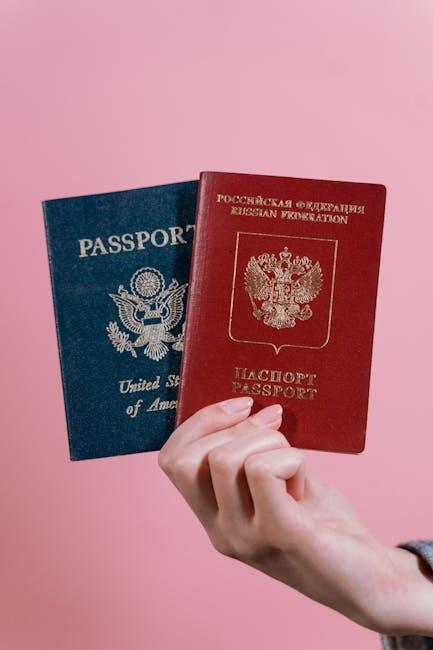
Understanding Dual Citizenship and Its Global Appeal
Navigating the world of dual citizenship reveals a fascinating blend of opportunity and challenge, making it an increasingly popular choice for global citizens. With dual citizenship, individuals enjoy a unique set of rights and responsibilities in two countries simultaneously, enabling easier travel, business access, and cultural integration. This privilege unlocks doors to diverse benefits such as the right to vote in multiple democracies, eligibility for social services, and the ability to work without visas, all while fostering a deeper connection to one’s heritage and global identity.
Key advantages of holding dual citizenship often include:
- Expanded educational and professional networks
- Access to healthcare systems in both countries
- Ability to own property and invest freely
- Protection under the laws of two nations
| Country | Common Reason for Dual Citizenship | Notable Benefit |
|---|---|---|
| Canada | Birthright & Naturalization | Universal healthcare access |
| Italy | Descent-based citizenship | Work and reside in the EU |
| Australia | Naturalization & Marriage | Employment freedom across states |
Cultivating ties to two nations offers more than legal benefits; it enriches personal identity and global belonging, making dual citizenship a dynamic bridge in a rapidly interconnected world.
Navigating Legal Complexities and Obligations
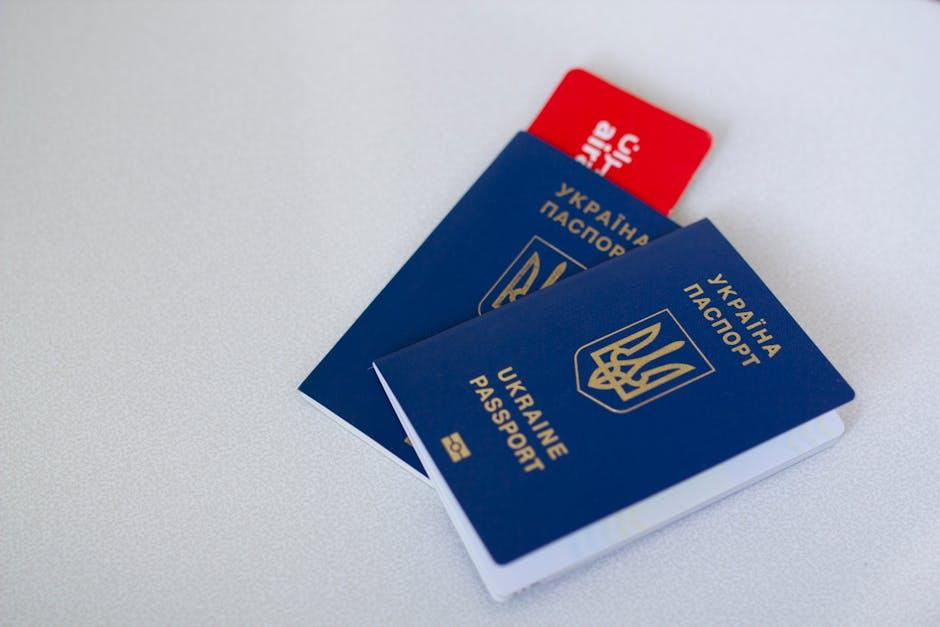
Balancing the rights and responsibilities that come with holding dual citizenship often requires a keen understanding of each nation’s legal framework. Navigating these complex legal landscapes can be akin to walking a tightrope, where one misstep might lead to unforeseen challenges. For instance, taxation laws may differ dramatically, requiring dual citizens to file tax returns in both countries, or adhere to specific military service obligations that can vary widely. It’s essential to stay informed about the regulations that bridge or divide these jurisdictions to avoid potential penalties or conflicts.
To better illustrate, consider the following comparison of typical dual citizenship obligations:
| Obligation | Country A | Country B |
|---|---|---|
| Tax Filing | Annual global income declaration | Tax on local income only |
| Military Service | Mandatory for males, 18-25 years | Voluntary enlistment |
| Voting Rights | Allowed in national elections | Restricted to local elections only |
Being well-versed with these distinctions not only protects dual citizens legally but also empowers them to fully exercise the benefits available. Proactive engagement with legal experts, ongoing education about nationality laws, and transparent communication with authorities can smooth over the intricate intersections of dual allegiance.
Balancing Cultural Identity and National Loyalty
Embracing dual citizenship often means weaving together two rich tapestries of cultural heritage and national duty. This dynamic balance allows individuals to celebrate diverse traditions, languages, and customs while actively participating in the civic life of both countries. However, navigating this complex identity requires more than just legal recognition; it involves a continuous dialogue between personal values and societal expectations. One’s sense of belonging evolves through experiences that reflect both pride in ancestral roots and commitment to the laws and institutions of each nation.
Key challenges and opportunities in this journey include:
- Cultural immersion that deepens appreciation without diluting loyalty.
- Legal responsibilities such as taxation and civic duties performed in both countries.
- Social integration fostering relationships that bridge diverse communities.
- Personal identity development shaping a unique bicultural perspective.
| Aspect | Potential Benefit | Common Challenge |
|---|---|---|
| Cultural Expression | Rich, multifaceted worldview | Feeling of divided loyalty |
| Political Participation | Voting rights in two countries | Complex eligibility requirements |
| Economic Engagement | Access to dual labor markets | Double taxation concerns |
Economic Opportunities and Challenges of Holding Two Passports
Holding dual citizenship unlocks a spectrum of economic advantages that few single-passport holders can access. It broadens your reach to diverse job markets, facilitating smoother cross-border employment and business ventures. You can take advantage of different tax regimes, investment incentives, and retirement plans offered by each country. Additionally, it may open doors to exclusive government grants or subsidies unavailable to foreign nationals, giving you a competitive edge in both entrepreneurial and career pursuits.
However, juggling two passports is not without its hurdles. Dual citizens often face complex tax obligations, sometimes requiring compliance with overlapping or conflicting fiscal laws. Legal limitations could complicate ownership or operation of businesses in one country when another’s regulations apply. Moreover, navigating two economic landscapes means staying informed about fluctuating currencies, fluctuating trade policies, and social security systems, which might add layers of administrative burdens and financial uncertainty.
- Advantages: Access to two job markets, diversified investment options, dual social benefits
- Challenges: Double taxation risks, legal ambiguities, economic volatility management
| Aspect | Opportunity | Challenge |
|---|---|---|
| Employment | Work visa freedom | Credential recognition issues |
| Investment | Property & stock market access | Tax reporting complexity |
| Social Benefits | Healthcare & pensions | Eligibility conflicts |
Practical Steps to Secure and Maintain Dual Citizenship
Embarking on the journey to dual citizenship requires more than just paperwork—it demands a strategic approach. Begin by thoroughly researching the legal requirements of both countries involved, as diverse regulations can affect eligibility and application processes. Gather essential documents such as birth certificates, proof of residency, and background clearances early on to streamline submissions. Engaging with immigration experts or legal advisors familiar with dual citizenship laws can save time and prevent costly errors. Additionally, staying organized with a dedicated checklist and timeline will keep your progress on track, reducing the risk of overlooked deadlines and documentation gaps.
After securing dual status, maintaining citizenship demands ongoing awareness of responsibilities in both nations. These include understanding tax obligations, renewing passports in a timely manner, and keeping abreast of any changes in immigration policy that could impact rights or residency. Below is a quick reference table summarizing key actions for dual citizens:
| Action | Country A | Country B |
|---|---|---|
| Passport Renewal | Every 10 years | Every 5 years |
| Tax Filing | Annual, worldwide income | Annual, income sourced domestically |
| Residency Requirement | Minimum 6 months/year | No minimum |
Consistently meeting these obligations ensures uninterrupted benefits and preserves the unique privileges that come with holding citizenship in two nations.
To Conclude
In the ever-connected tapestry of our global society, dual citizenship stands as a unique thread weaving together two distinct identities, cultures, and sets of opportunities. It offers more than just legal status—it creates a bridge where personal history and future ambitions intersect across borders. While the journey of holding two passports may involve navigating complex rights and responsibilities, it ultimately invites individuals to embrace a broader sense of belonging. As the world continues to shrink through travel, technology, and shared values, dual citizenship illuminates a path toward embracing dual heritage without compromise, proving that sometimes, two worlds truly are better than one.




