
In an increasingly interconnected world, the concept of identity has taken on new dimensions, evolving far beyond the boundaries of a single homeland. Carrying multiple passports is no longer an exclusive privilege of diplomats or global elite; it is becoming a practical reality for many navigating the complexities of modern life. Whether driven by family heritage, career opportunities, or the pursuit of freedom and security, holding more than one citizenship opens doors to a world of possibilities—and challenges. This guide dives into the intricate tapestry of managing multiple passports, exploring how global citizens balance legal, cultural, and personal identities while charting their unique paths across borders.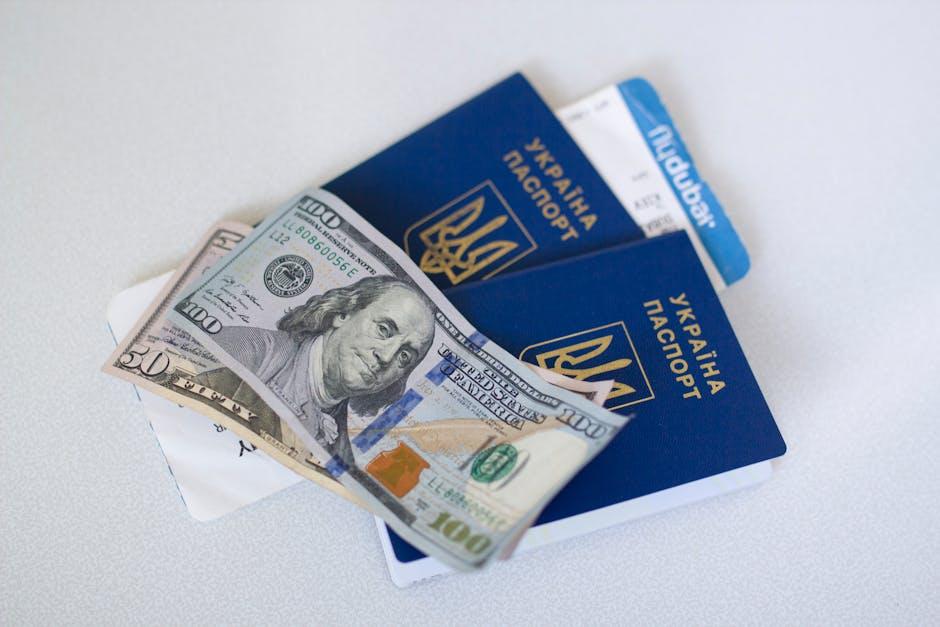
Understanding the Benefits and Responsibilities of Holding Multiple Passports
Holding multiple passports opens doors to a world of opportunities, offering a unique blend of freedom and flexibility that can enhance travel, work, and lifestyle choices. With access to different countries, global mobility becomes smoother, allowing holders to bypass restrictive visa protocols and enjoy expanded employment options in diverse markets. Beyond practical benefits, dual or multiple citizenship often brings a sense of belonging to varied cultures, enriching personal identity. However, this privilege is paired with a set of important responsibilities, such as understanding legal obligations, including taxation rules, mandatory military service, and staying compliant with the laws of each nation involved.
Managing multiple passports effectively involves staying informed and organized. Travelers benefit greatly from maintaining clear records of passport expirations and renewal dates. It’s also essential to recognize the potential conflicts that may arise, such as restrictions on holding government positions or voting rights in one or more countries. Here’s a quick glance at key considerations:
- Legal Awareness: Stay updated on each country’s laws regarding dual citizenship.
- Tax Compliance: Be conscious of tax filing requirements to avoid penalties.
- Travel Planning: Strategize routes based on visa-free access and entry rules.
- Emergency Preparedness: Know which embassy to contact during crises.

Legal Considerations and Compliance Across Different Jurisdictions
When holding multiple passports, understanding the legal nuances of each issuing country is paramount. Each jurisdiction carries its own set of responsibilities regarding tax declarations, mandatory military service, and residency obligations. Neglecting these can lead to complications ranging from fines to loss of citizenship. It’s crucial to familiarize yourself with international laws on dual nationality and to be proactive about compliance. Engaging legal experts or immigration consultants who specialize in multi-national citizenship can provide tailored advice and help avoid pitfalls.
Moreover, while some countries permit seamless travel using any valid passport, others impose restrictions or require notification when entering on a non-primary nationality. To keep track, consider this quick comparison of common legal considerations:
| Aspect | Country A | Country B | Country C |
|---|---|---|---|
| Dual Taxation | Yes, with treaties | No | Yes, no treaties |
| Military Service Obligation | Mandatory | Exempt for dual nationals | Voluntary |
| Mandatory Passport Declaration | Required | Not required | Required if used for entry |
- Transparency: Always disclose multiple citizenships when legally obligated.
- Tax Filing: File returns in all relevant jurisdictions to avoid penalties.
- Travel Documents: Use the most appropriate passport for border crossings.
Maximizing Travel Flexibility While Managing Passport Restrictions
For globetrotters juggling multiple passports, the art of maximizing travel flexibility involves mastering the nuanced dance between passport advantages and the often-hidden restrictions each one carries. It’s essential to know which passport opens doors visa-free and which might impose limits in certain regions. Doing your homework before booking flights can mean the difference between a seamless journey and unexpected bureaucratic hurdles. Pro tip: keep a digital checklist of visa requirements segmented by each nationality to stay ahead effortlessly.
To streamline travel optimization, consider these key tactics:
- Alternate passports based on destination visa policies and entry requirements.
- Use passport exemptions
- Keep track of validity periods to avoid last-minute surprises during international travels.
- Consult embassy websites
| Passport | Visa-Free Countries | Common Restrictions |
|---|---|---|
| Passport A | 120+ | Transit visas required in Schengen Area |
| Passport B | 80+ | No access to USA Visa Waiver Program |
| Passport C | 150+ | Restrictions in certain Middle Eastern countries |
Financial Implications and Tax Planning for Global Citizens
Owning multiple passports can open doors to diverse financial opportunities, but it also demands a sophisticated approach to managing assets and obligations. Each country has its unique tax regulations, residency requirements, and financial disclosure norms, making it essential for global citizens to carefully strategize their tax planning. Understanding where you are considered a tax resident, and how different jurisdictions tax income, capital gains, or inheritances, can make a substantial difference in your overall financial health.
To optimize your tax position, consider key factors such as:
- Double Taxation Treaties: Exploit treaties that prevent the same income from being taxed twice.
- Foreign Earned Income Exclusion: Some countries offer exclusions or credits on income earned abroad.
- Currency Exchange Implications: Monitor how currency fluctuations affect taxable income and investments.
- Estate and Gift Tax Laws: Align your estate planning with the regulations across your multiple citizenships.
| Tax Aspect | Considerations | Potential Strategy |
|---|---|---|
| Residency Status | Determines tax obligations in each country | Maintain clear documentation; consider part-year residency |
| Income Types | Varies from wages, dividends, to capital gains | Structure income streams to benefit from favorable tax rates |
| Reporting Requirements | Foreign accounts and assets must be disclosed in some countries | Use expert advice to comply and avoid penalties |
Strategies for Maintaining Security and Privacy with Dual or Multiple Passports
Managing multiple passports requires a vigilant approach to safeguard both your security and privacy. One essential practice is to store physical passports in separate, secure locations, minimizing the risk of simultaneous loss or theft. Digitally, use encrypted password managers to keep passport scans and related documents safe, ensuring they are never stored unprotected on cloud services or public devices. Regularly updating your contact information with government agencies allows you to receive timely alerts about any suspicious activities linked to your passports.
Establishing a clear system to track the validity and renewal dates of each passport is crucial — a simple table can help visualize this effortlessly:
| Passport Country | Issue Date | Expiry Date | Renewal Reminder |
|---|---|---|---|
| Country A | 01/04/2020 | 01/04/2030 | 6 months before expiry |
| Country B | 15/08/2018 | 15/08/2028 | 3 months before expiry |
Beyond organizational tools, it’s vital to observe these key security habits:
- Limit sharing of your passport details online or with unknown parties.
- Use VPNs when accessing digital government services abroad to protect your connection.
- Be mindful of where and how you declare each nationality, especially in countries with strict dual citizenship policies.
In Conclusion
In a world where borders blur and identities intertwine, holding multiple passports is more than a matter of convenience—it is a testament to a life lived beyond singular definitions. Navigating this complex landscape requires more than just understanding travel regulations; it calls for embracing the fluidity of global citizenship with awareness and responsibility. As you chart your course through the mosaic of cultures, laws, and opportunities, let your multiple passports be not just documents, but gateways to a richer, more connected existence. In the end, the true journey lies not in the stamps on your passports, but in the stories you gather along the way.




