
In an increasingly interconnected world, the concept of belonging to just one nation is evolving. Multiple citizenship—holding citizenship in two or more countries—has become a reality for many, weaving complex threads of identity, opportunity, and responsibility. But what does it truly mean to wear more than one passport? Beyond the legal definitions and paperwork, multiple citizenship opens a door to a unique set of benefits and challenges that extend into travel, taxation, cultural ties, and personal freedom. This article ventures into the fascinating landscape of multiple citizenship, exploring its significance, advantages, and practical guidance on how to navigate the intricacies of managing dual or multiple passports with confidence and clarity.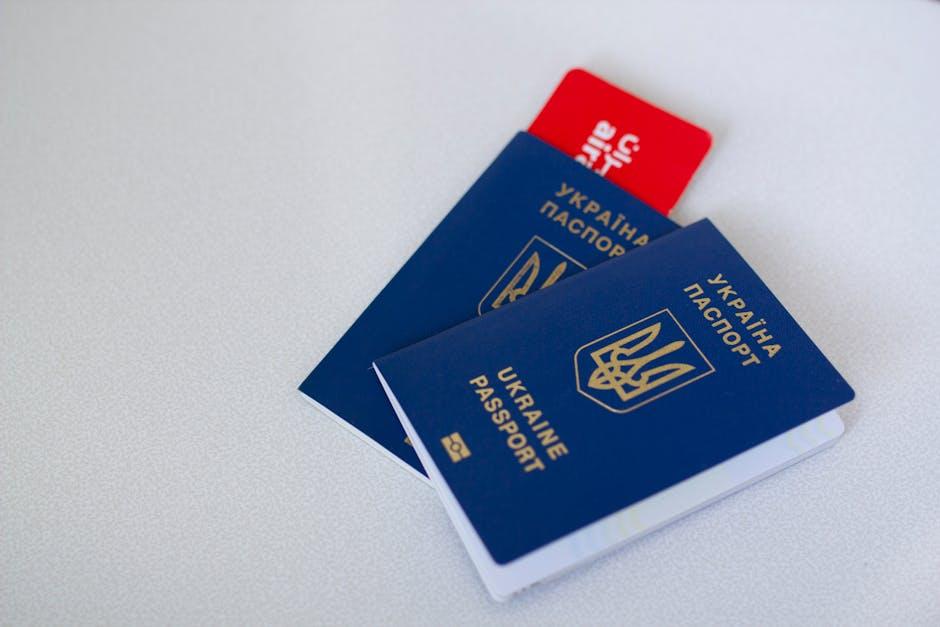
Exploring the Basics and Realities of Holding Multiple Nationalities
Holding multiple nationalities, often referred to as dual or multiple citizenship, means legally being recognized as a citizen by two or more countries simultaneously. This status grants individuals the right to obtain passports from each nation, vote in elections, and access public services across borders. However, it’s important to distinguish dual citizenship from dual nationality, terms frequently used interchangeably but with subtle legal differences depending on the jurisdictions involved. While some countries permit unrestricted multiple citizenship, others impose limitations or require renunciation of prior citizenships. Understanding these distinctions is foundational to navigating the complex legal landscape surrounding multiple nationalities.
The benefits of holding multiple citizenships extend beyond enhanced travel freedom and include financial, social, and legal advantages. For example:
- Broader employment opportunities: Right to work and reside in more than one country without visa restrictions.
- Access to social services: Eligibility for healthcare, education, and social programs in multiple nations.
- Estate and tax planning: Potential for strategic financial management by leveraging different tax regimes.
Despite these advantages, multiple citizenship also presents challenges, including:
- Possible conflicts of allegiance during political or military tensions.
- Obligations to adhere to differing legal systems, such as mandatory military service.
- Complexities in tax reporting and potential double taxation.
Below is a quick comparison to highlight these aspects:
| Aspect | Benefits | Challenges |
|---|---|---|
| Travel | Visa-free or facilitated entry to more countries | Requirement to use specific passports for entry/exit depending on country |
| Legal Rights | Voting and property ownership rights in multiple countries | Conflicting legal obligations (e.g., military service, jury duty) |
| Taxation | Potential tax optimization opportunities | Complicated compliance; risk of double taxation without treaties |
For those considering or managing multiple nationalities, consulting with immigration and tax professionals is highly recommended to align benefits with responsibilities effectively.

Weighing the Advantages and Challenges of Dual Citizenship
Dual citizenship offers a unique legal status where an individual is recognized as a citizen by two different countries simultaneously. This arrangement brings several advantages such as expanded travel freedom, access to multiple social services, and broader economic opportunities. For example, dual citizens can benefit from reduced visa restrictions, enjoy healthcare in both nations, and engage in business without typical foreign barriers. Additionally, dual nationality often simplifies inheritance and property ownership across borders, and provides greater cultural connectivity. However, the benefits depend heavily on the countries involved, as some nations have reciprocal agreements that ease taxation and legal matters, while others enforce strict regulations that complicate maintaining dual status.
Despite its perks, dual citizenship also presents challenges that are important to weigh before pursuing multiple passports. Common hurdles include tax obligations to both countries—some citizens may face double taxation without clear treaties—and military service requirements that can compel conscription in one country even if the individual lives elsewhere. Legal conflicts may arise if the two countries’ laws contradict each other, especially concerning criminal law, family rights, or political participation. It’s also essential to note that not all countries allow dual citizenship, and some require formal renunciation of the original nationality. To help clarify your position, consider this comparison table:
| Aspect | Advantages | Challenges |
|---|---|---|
| Travel & Residency | Visa-free access, multiple residencies | Complex immigration laws, occasional travel restrictions |
| Taxes | Potential tax planning benefits | Double taxation risks, complicated filings |
| Legal Rights | Expanded rights & protections | Possible conflicting laws or obligations |
| Military Service | Access to multiple defense protections | Dual conscription requirements |
When considering dual citizenship, it’s recommended to consult with legal and tax professionals well-versed in the laws of both countries. This approach ensures you can maximize the benefits while mitigating any unintended consequences. Understanding these practical implications helps you make informed decisions about managing your multiple citizenships responsibly.
Navigating Legal Obligations and Rights Across Different Countries
When holding multiple citizenships, understanding your legal obligations and rights in each country is essential. Each nation has its own laws regarding taxation, military service, and civic duties that can affect dual or multiple citizens differently. For example, some countries require citizens to pay taxes on worldwide income regardless of where they reside, while others tax only local earnings. Moreover, compulsory military service can apply depending on the country’s policies and may pose challenges if obligations overlap. Navigating these obligations means staying informed about specific rules, as failure to comply can lead to penalties or even loss of citizenship in extreme cases. It is also worthwhile to consider how each country treats citizenship renunciation, as this might be necessary if multiple obligations become unmanageable.
To manage your rights effectively across countries, it’s crucial to recognize the benefits alongside the limitations. Multiple citizenship opens doors to benefits like easier international travel, better employment opportunities, and access to social services or healthcare in more than one country. However, rights such as voting, property ownership, or eligibility for certain public offices may vary significantly based on local laws. The table below highlights common differences that dual or multiple citizens should be aware of:
| Aspect | Country A | Country B | Country C |
|---|---|---|---|
| Taxation | Worldwide income taxed | Tax only on local income | Tax treaty benefits available |
| Military Service | Mandatory under 30 years old | No compulsory service | Voluntary service only |
| Voting Rights | National & local elections | National elections only | No voting rights for citizens abroad |
Regular consultation with immigration experts or legal professionals and maintaining updated records of each country’s regulations ensures you can maximize your citizenship benefits without unintended legal pitfalls. Taking proactive steps also simplifies travel documentation and resolves questions about consular protection abroad, making dual or multiple citizenship a manageable and advantageous status.
Choosing Which Passports to Use and How to Manage Them Efficiently
When managing multiple citizenships, choosing which passport to use depends largely on your travel plans, residency rights, and the relative advantages each passport offers. Start by assessing factors such as visa-free access, ease of entry, and the diplomatic relations of each country. For example, a European Union passport may grant you seamless travel across member countries, while another passport might offer easier access to specific regions like Asia or the Americas. Additionally, consider practical aspects such as the processing times at border controls and the potential for more favorable consular support if you encounter legal issues abroad. In cases where one passport imposes fewer taxes or financial disclosures, it might be more advantageous to use that document for certain transactions or travel purposes.
Effective management of multiple passports also involves staying organized and compliant with legal requirements. Keep all your passport expiration dates, renewal timelines, and entry-exit stamps well documented to avoid surprises. Many travelers find it helpful to maintain a dedicated travel folder—physical or digital—containing copies of each passport’s identification page, visa records, and citizenship certificates. Secure storage is crucial to prevent loss or theft, which can lead to complicated bureaucratic delays. Creating a clear plan for which passport to use in different situations—such as business travel versus family visits, or when applying for visas—can save time and reduce stress. Here’s a simple comparison table to illustrate key considerations:
| Passport | Visa-Free Countries | Taxation Impact | Consular Support |
|---|---|---|---|
| Country A | 150+ | Low | Strong |
| Country B | 100+ | Medium | Moderate |
- Tip: Use the passport offering the greatest ease of access to your destination to reduce wait times and minimize visa requirements.
- Tip: Regularly update your records and check for any travel advisories relating to your countries of citizenship.
Common Myths About Multiple Citizenship Debunked and Clarified
Myth 1: Having multiple citizenships means double the taxes everywhere. This is a widespread concern but not entirely accurate. While some countries tax based on citizenship rather than residency (notably the United States), most nations tax individuals only on income earned within their borders or on worldwide income if they are tax residents. Holding multiple passports doesn’t automatically mean you owe taxes twice on the same income. Many countries have tax treaties to prevent double taxation, and understanding your residency status and tax obligations is key. It’s recommended to consult a tax professional who specializes in expatriate or international tax law to navigate your unique situation effectively.
Myth 2: Multiple citizenships require you to serve in the military of every country. Military service requirements vary significantly between countries and are typically tied to residency or citizenship laws. Holding dual or multiple citizenships doesn’t always obligate you to serve in all nations’ armed forces. For instance, some countries allow citizens abroad to defer or be exempt from compulsory military service. To avoid surprises, investigate the specific regulations of each country whose passport you hold, especially if one has conscription laws. Additionally, multiple citizenship does not guarantee conflicting legal obligations; most dual citizens manage these responsibilities smoothly through careful planning and by prioritizing legal compliance in each jurisdiction.
| Myth | Reality |
|---|---|
| Multiple citizenship means double taxes everywhere. | Tax obligations depend on residency and national laws; double taxation is often avoidable. |
| You must serve in the military of all countries where you hold citizenship. | Military service requirements differ; many countries exempt citizens abroad or have deferment options. |
| Multiple passports mean you can freely travel and work anywhere without restrictions. | While it expands options, visa rules, work permits, and residency requirements still apply depending on the country. |
To Conclude
In a world that grows increasingly interconnected, understanding multiple citizenship is more than just a legal curiosity—it’s a gateway to new opportunities, challenges, and identities. Whether you’re drawn by the benefits of expanded mobility, economic advantages, or a deeper connection to diverse cultures, managing dual or multiple passports requires awareness and responsibility. By navigating the complexities with informed choices and mindful planning, multiple citizenship can become not just a status on paper, but a meaningful facet of your global journey. Embrace the possibilities, respect the obligations, and let your multiple nationalities enrich the story of who you are.




