
Imagine a world where a passport is not just a travel document, but a key to unlocking new opportunities, financial advantages, and a fresh start in a different corner of the globe. Citizenship through investment is exactly that—a pathway where ownership meets opportunity, inviting individuals to invest in a country’s prosperity in exchange for legal nationality. This intriguing concept has sparked both curiosity and debate, as it offers a blend of benefits and complexities that go beyond conventional migration. In this article, we will explore the essence of citizenship through investment, weigh its costs and advantages, and navigate the diverse options available worldwide, providing a clear understanding of this modern gateway to global mobility.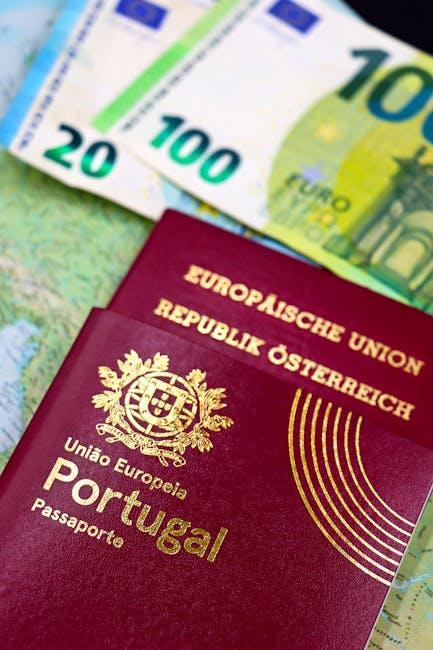
Understanding Citizenship Through Investment and How It Works
Citizenship through investment is a legal process that allows individuals to obtain citizenship in a country by making a qualifying financial contribution, typically through real estate, business development, or direct government funds. This pathway provides a faster alternative to traditional naturalization, which often involves lengthy residency requirements and strict criteria. Investors generally receive a passport and full citizenship rights, including the ability to live, work, and travel freely within the country and, in many cases, visa-free access to numerous other nations. The exact process, eligibility requirements, and investment types vary by country, but common routes include:
- Donation programs: Non-refundable contributions to government development or social funds.
- Real estate investment: Purchasing selected real estate assets that meet minimum price thresholds.
- Business investment: Creating or investing in a local enterprise that generates jobs or economic activity.
- Government bonds: Buying government-backed securities held for a specified period.
The appeal of citizenship through investment lies not only in citizenship rights but also in financial flexibility, global mobility, and family inclusion options. However, the process demands careful consideration of compliance issues such as due diligence checks, anti-money laundering regulations, and tax implications. Countries offer varying processing times and investment minimums, which can be compared in the table below for perspective:
| Country | Investment Type | Minimum Investment | Processing Time |
|---|---|---|---|
| Malta | Donation + Real Estate/Investment | €600,000 + property purchase | 12-14 months |
| Dominica | Donation or Real Estate | $100,000 (donation) or $200,000 (real estate) | 3-6 months |
| Turkey | Real Estate | $400,000 | 3-6 months |

The Advantages and Drawbacks of Investing for Citizenship
Investing for citizenship offers a unique pathway for individuals seeking greater global mobility, enhanced business opportunities, and diversified personal or family security. At its core, this process involves making a significant financial investment—usually in real estate, government bonds, or a national development fund—in exchange for a second passport or citizenship. Key advantages include:
- Fast-tracked citizenship: Many programs offer citizenship within months, far quicker than traditional immigration routes.
- Visa-free travel: Access to numerous countries without the hassle of visas, facilitating business and leisure travel.
- Tax optimization: Potential lifestyle or corporate tax benefits depending on the country’s laws.
- Family inclusion: Programs frequently extend benefits to spouses and children, ensuring long-term security.
However, investment-based citizenship is not without its drawbacks. The upfront financial commitment can be substantial, often ranging from $100,000 to over $2 million, depending on the program and country. Additionally, some investors face challenges such as:
- Regulatory scrutiny: Enhanced due diligence by governments to combat fraud and money laundering can lead to delays or rejections.
- Resale and liquidity issues: Investments underpinning citizenship (e.g., real estate) may lock capital for years and incur additional costs.
- Public perception and geopolitical risks: Certain passports may carry negative connotations, or programs can be subject to sudden policy changes.
- Complex compliance: Navigating tax laws, maintaining residency requirements, or understanding dual citizenship rules can be complicated.
| Advantages | Drawbacks |
|---|---|
| Speedy access to a second passport | High initial investment cost |
| Broadened travel freedom | Potential delays due to rigorous vetting |
| Tax and business benefits | Risks tied to investment illiquidity |
| Extended benefits to family members | Possible geopolitical or reputation concerns |
Comparing Popular Countries Offering Citizenship by Investment
When , several key factors come into play, including investment thresholds, processing times, and benefits. For example, countries like St. Kitts and Nevis and Dominica are revered for their relatively low investment requirements—starting from around $100,000 in donation or real estate—and fast processing times often under six months. European options such as Portugal and Malta generally involve higher investment limits but provide substantial benefits, including access to the entire EU market, visa-free travel to numerous countries, and strong residency rights. It’s essential to assess not only the initial financial commitment but also the additional fees, due diligence requirements, and potential tax implications, which vary significantly across jurisdictions.
Below is a concise comparison table highlighting key parameters of some of the most sought-after citizenship-by-investment programs:
| Country | Minimum Investment | Processing Time | Visa-Free Travel | Additional Perks |
|---|---|---|---|---|
| St. Kitts and Nevis | $150,000 donation or $200,000 real estate | 4-6 months | Over 150 countries | No residency requirement |
| Malta | €650,000+ (donation + real estate) | 12-14 months | EU Schengen Area | Access to EU rights |
| Portugal | €280,000+ (real estate) | 12-18 months | EU Schengen Area | Path to permanent residency and citizenship |
| Dominica | $100,000 donation or $200,000 real estate | 3-4 months | Over 140 countries | Low fees, family inclusivity |
Choosing the right program depends heavily on your personal priorities—whether that’s quick access to a second passport, minimal residency obligations, extensive travel freedom, or integration within global economic zones. For many investors, balancing cost against long-term benefits such as taxation policies, family inclusion, and ease of lifestyle integration will dictate the optimal choice in citizenship through investment.
Key Considerations When Choosing a Citizenship Investment Program
- Program Reputation and Legal Framework: A top priority when selecting a citizenship investment program is its legal credibility and transparency. Ensure the country has a stable political environment and a robust legal system that honors investor rights. Beware of programs under international scrutiny or those flagged for compliance issues, as these can affect the future recognition of your citizenship. Researching government endorsements and independent reviews can clarify a program’s legitimacy.
- Investment Requirements and Flexibility: Different programs vary widely in terms of minimum investment amounts, residency obligations, and eligible asset types. Some require direct real estate purchases, others demand contributions to government funds or business investments. Understanding these nuances helps match your financial goals and lifestyle preferences. Additionally, consider whether dependents or extended family members can be included under the same application to maximize benefits.
| Key Factor | What to Evaluate | Why It Matters |
|---|---|---|
| Due Diligence Process | Length, transparency, applicant criteria | Ensures a smooth application and reduces risk of denial |
| Taxation and Financial Benefits | Tax obligations, incentives, and banking ease | Impacts long-term financial planning and wealth preservation |
| Visa-Free Travel Access | Number and quality of countries accessible | Enhances mobility for work, leisure, and business |
Common Myths and Realities About Citizenship Through Investment
- Myth: Citizenship through investment guarantees instant passports. In reality, the processing time varies significantly by country, often ranging from a few months to over a year. For example, Saint Kitts and Nevis offer one of the fastest routes, typically under six months, while countries like Malta may take 12 to 18 months due to rigorous due diligence and residency requirements. Immediate issuance is rare, as governments prioritize security and background checks over speed.
- Myth: This pathway is only for the ultra-wealthy. While significant investments are required, options exist at different budget levels, with some programs starting around $100,000 in non-refundable contributions, such as Dominica’s Economic Citizenship program. Additionally, many individuals pursue citizenship through investment not solely for wealth preservation but to gain global mobility, tax optimization, and business advantages.
| Common Concern | Reality |
|---|---|
| Is due diligence superficial? | Rigorous background checks are standard to prevent fraud and money laundering, ensuring applicants meet strict criteria. |
| Does investment guarantee visa-free travel? | Visa-free access depends on the passport’s global ranking, not just the investment. Many CBI passports rank highly, but benefits vary by country. |
| Can citizenship be revoked easily? | Citizenship is generally permanent once granted, but fraudulent applications or failure to meet program conditions can lead to revocation. |
Final Thoughts
In a world increasingly defined by mobility and opportunity, citizenship through investment stands as a unique gateway—offering more than just a passport, but a chance to reshape one’s future. While the benefits can be compelling, from visa-free travel to enhanced business prospects, the costs and responsibilities are equally important to consider. As global options continue to evolve, understanding the nuances behind each program is essential for making an informed decision. Ultimately, citizenship through investment is more than a transaction; it’s a strategic choice that blends ambition with careful deliberation, opening doors to new horizons while grounding itself in the realities of legal, financial, and cultural commitment.




