
In an era defined by globalization and borderless opportunity, the concept of citizenship is evolving beyond its traditional ties to birthplace and heritage. Today, a new frontier in global wealth strategy is emerging—one where passports are not merely travel documents but powerful assets in an investor’s portfolio. “Passport for Investment: Why Buying Citizenship Is the New Frontier of Global Wealth Strategy” explores this modern phenomenon, delving into how high-net-worth individuals are reshaping notions of nationality by acquiring citizenship through investment. This article unpacks the motivations, benefits, and controversies surrounding this quietly booming market, revealing how strategic citizenship is becoming a key tool for navigating an increasingly interconnected world.
The Mirage of Instant Mobility Exploring the Hidden Costs Behind Citizenship by Investment
At first glance, citizenship by investment (CBI) schemes appear as a straightforward shortcut to global mobility, offering high-net-worth individuals an expedited passport often within months. However, this “instant mobility” is frequently a mirage, glossing over complexities that challenge its promised benefits. While the allure of visa-free travel to dozens of countries is undeniable, the reality is that the value of these passports often hinges not just on the sheer number of accessible nations but on the quality of access, economic stability, and geopolitical influence associated with the issuing country. For example, a Caribbean passport might unlock access to the EU’s Schengen zone for short stays, but lacks the work or permanent residency rights that many investors truly need. Investors must therefore discern whether a flashy new passport simply grants “tourist mobility” or meaningful long-term integration possibilities—a distinction too easily overlooked in the marketing hype.
| Passport Type | Visa-Free Access | Work/Residency Rights | Geopolitical Stability |
|---|---|---|---|
| Caribbean CBI Passports | >140 countries mainly short-stay | Generally no automatic work rights | Medium; vulnerable to economic shifts |
| European Residency-Linked Citizenship | EU-wide Schengen plus work rights | Work and residency throughout EU | High; robust institutions |
Moreover, the hidden costs extend beyond mere financial considerations and require more tactical scrutiny. Applicants often underestimate ongoing obligations such as minimum physical presence requirements, tax liabilities, and the potential for program suspension or international scrutiny due to shifts in global politics. These schemes are prone to policy reversals—countries have suddenly tightened or scrapped programs under external pressure, sometimes leaving passport holders in legal limbo or complicating their international status. The trade-offs here favor a long-view strategy: rather than chasing quick citizenship, wealth strategists should analyze the geopolitical trajectory of the country, its compliance with international standards on transparency, and how well the passport integrates with their broader fiscal and residency ambitions. Without this, investors risk exchanging their capital for only superficial freedom that may prove more limiting than empowering in key moments.
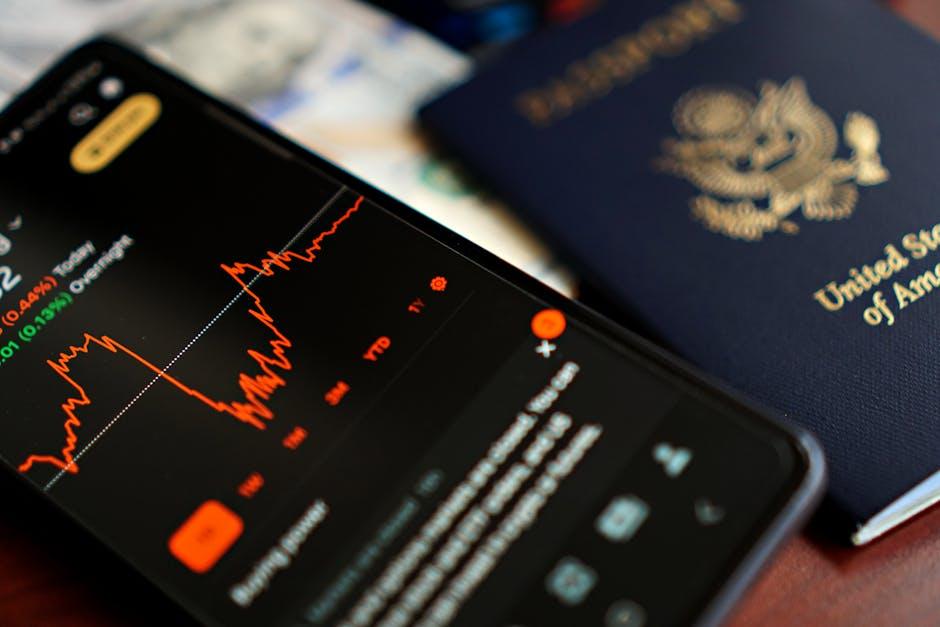
Beyond Borders Wealth or Risk How Strategic Investors Navigate the Complex Terrain of New Nationalities
Strategic investors venturing into the acquisition of new nationalities must navigate a labyrinth far more intricate than mere paperwork and financial thresholds. The conventional wisdom that purchasing citizenship acts as a straightforward ticket to global mobility and wealth protection oversimplifies the nuanced calculus at play. In reality, such cross-border citizenship ventures are a double-edged sword. Beyond the immediate allure of visa-free travel and capital diversification lies a complex array of legal, fiscal, and geopolitical trade-offs. For example, an investor’s value proposition diminishes if the new nationality triggers unexpected tax residency risks or complicates inheritance laws. Likewise, the reputational perception of citizenship-by-investment (CBI) programs varies significantly across jurisdictions, influencing the tangible benefits an investor can reap. Bold players recognize that not all passports are created equal—not by visa count alone, but by the degree of political stability, regulatory transparency, and reciprocal relations that accompany the nationality.
These insights demand a critical, stratified approach to weighing “wealth or risk” in this arena. Investors must move beyond simplistic jersey counts in global mobility rankings and consider layered due diligence criteria such as:
- Economic integration potential: Does the citizenship facilitate seamless business operations or banking access in target markets?
- Long-term geopolitical resilience: How vulnerable is the nationality to sanctions, policy reversals, or diplomatic strife?
- Taxation and compliance complexity: Might dual citizenship exacerbate global tax exposures or reporting burdens?
| Passport Attribute | Investment Value | Potential Risk |
|---|---|---|
| Visa-Free Access | Expands travel freedom & business reach | Overvalued if destination markets impose abrupt restrictions |
| Program Transparency | Reduces risk of future legal entanglements | Lack of clarity can trigger asset freezes or nationality revocation |
| Tax Treaty Network | Facilitates tax-efficient structuring | Limited treaties increase double taxation risk |
Ultimately, discerning investors treat new nationalities less as standalone assets and more as dynamic components within a broader, personalized wealth architecture. This means embracing strategic patience, investing in expert local counsel, and constantly recalibrating based on global political shifts—often eschewing “flashy” Caribbean or Mediterranean CBI programs for emerging markets promising stable, sustainable long-term benefits. It is here, in mastering the interplay of opportunity and risk, that the truly strategic investor thrives beyond borders.
Crafting a Global Identity When Buying a Passport Meets Sovereignty and Security Concerns
Acquiring a passport through investment is often marketed as a seamless gateway to global mobility and opportunity, yet this streamlined narrative neglects profound dilemmas tied to national sovereignty and security. States are understandably wary of commodifying citizenship—a concept historically anchored in exclusive allegiance and civic responsibility—because it dilutes the social contract with transactional expediency. Not all passports are created equal: investors must discern between programs that genuinely enhance bilateral relationships and economic vitality, and those that pose disproportionate risks of regulatory arbitrage or illicit financial flows. Understanding this tension reveals that purchasing a passport is less about erasing borders and more about navigating their evolving nature. Prioritizing countries with transparent vetting processes and robust post-citizenship integration policies avoids the pitfall of viewing passports as mere products, instead fostering a symbiotic relationship between investor and host nation.
Trade-offs emerge sharply when balancing convenience against integrity. For example, nations offering “fast-track” citizenship often sacrifice depth of due diligence in favor of attracting capital quickly, which can invite long-term reputational and security fallout. Conversely, programs emphasizing rigorous background checks and economic contribution tie citizenship more closely to meaningful engagement but at the cost of exclusivity and speed. Investors should critically ask: Is the passport a tool for genuine global engagement or a quick fix for travel restrictions? The smartest strategy weighs these considerations with an eye toward geopolitical shifts, regulatory changes, and societal perceptions. The table below delineates key distinctions to guide discerning investors.
| Dimension | Fast-Track/Light Due Diligence | Rigorous/Vetted Citizenship |
|---|---|---|
| Time to Citizenship | Months | 1+ Years |
| Security Risks | Higher (fraud, abuse) | Lower (robust screening) |
| Reputation Impact | Potentially Negative | Generally Positive |
| Investor Commitment | Financial Capital Primacy | Financial + Civic Engagement |
| Long-Term Value | Often Short-Term & Transactional | Structural & Sustainable |
Reevaluating the Allure Are Traditional Wealth Strategies More Resilient Than Citizenship by Investment
Traditional wealth strategies—such as diversifying assets across securities, real estate, and offshore accounts—have long been heralded for their stability and gradual appreciation. However, their resilience is increasingly brittle in an era of geopolitical volatility, aggressive tax regimes, and growing regulatory scrutiny. Unlike conventional pathways to wealth preservation, Citizenship by Investment (CBI) injects a dynamic, albeit controversial, dimension to global wealth navigation. This strategy doesn’t just aim at asset protection; it offers an entire geopolitical contingency plan. Yet, it’s critical to acknowledge the inherent trade-offs: while traditional methods emphasize low-risk, incremental growth, CBI leans heavily on fluid geopolitical landscapes and the nuanced acceptance of second citizenships—which can either amplify opportunity or expose investors to reputational and legal hazards.
When reassessing the allure of these contrasting avenues, it becomes apparent that a one-size-fits-all approach is obsolete. Rather than dismiss traditional wealth strategies as outdated or idealize CBI as a panacea, investors should adopt a calibrated, hybrid mindset. Consider this comparative framework:
| Criteria | Traditional Wealth Strategies | Citizenship by Investment |
|---|---|---|
| Risk Profile | Lower volatility, regulator-friendly but exposed to systemic financial risks | Higher geopolitical risk, subject to policy shifts and international perception |
| Liquidity & Flexibility | Generally liquid with conventional markets but limited by jurisdictional constraints | High personal asset mobility, broader global access, but less liquid as ‘citizenship’ is non-tradable |
| Longevity & Legacy | Designed for intergenerational wealth transfer, facing complex estate tax regimes | Potential to circumvent certain legacy challenges but risks nullification by host states |
- Selective diversification across these strategies, particularly for vested investors, offers a tailored buffer against systemic shocks in either arena.
- Rather than viewing CBI solely as a “passport acquisition,” prudent wealth architects must explicitly weigh its geopolitical and diplomatic currency against the guaranteed—albeit limited—stability of traditional holdings.
Ultimately, the question isn’t whether CBI or traditional strategies are categorically superior; it’s about discerning when and how each serves distinct facets of a sophisticated wealth strategy that demands adaptability over dogma.
The Ethical Ledger Balancing Financial Ambition with Geopolitical Responsibility in Acquiring New Citizenship
Acquiring citizenship through investment is often framed as a straightforward transaction, but this perspective grossly simplifies the profound ethical implications involved. The appeal of geographic and fiscal mobility clashes with the responsibility of respecting national sovereignty and social cohesion. Investors may seek the most expedient or lucrative options, but this approach risks commodifying citizenship, reducing its profound societal value to a mere financial asset. Importantly, states that offer such programs face a dilemma: they must weigh the immediate economic injection against long-term impacts on national identity, security, and inequality. The assumption that capital flow alone justifies these schemes ignores how uneven access to citizenship can exacerbate global disparities and potentially erode the social contract within host countries.
Prudent stakeholders—governments, investors, and intermediaries alike—should move beyond transactional thinking and adopt a framework that integrates ethical scrutiny with strategic ambition. This entails:
- Rigorous vetting: Investments must be coupled with comprehensive background checks and ongoing monitoring to prevent misuse or fugitive capital from undermining institutional integrity.
- Transparent frameworks: Clear criteria and publicly accessible data counter opportunistic exploitation and build societal trust.
- Contextual trade-offs: Recognize that some locations confer greater geopolitical sensitivity; citizenship acquisition here demands elevated safeguards and possibly more restrictive quotas.
Below is a simplified juxtaposition illustrating key trade-offs:
| Aspect | Financial Ambition | Geopolitical Responsibility |
|---|---|---|
| Priority | Maximize capital inflow and economic boost. | Maintain national security and social equity. |
| Risk | Overlooking security loopholes and social backlash. | Potentially slower growth and missed investment. |
| Recommendation | Integrate sophistication in deal structuring. | Implement robust due diligence and transparency. |
Only by acknowledging these trade-offs explicitly can the industry move towards a more ethically grounded paradigm—one that champions sustainable, inclusive wealth strategies without compromising geopolitical stability.
The Conclusion
As borders blur and the world becomes increasingly interconnected, the concept of citizenship is evolving beyond mere nationality—it has become a strategic asset. Investing in a second passport promises not just mobility, but access to new opportunities, security, and a broader horizon for wealth preservation. While the idea may spark debate, it undeniably marks a new chapter in global wealth strategy, inviting individuals to rethink what it means to belong in an era defined by choice and possibility. Whether viewed as a pragmatic safeguard or a bold venture, buying citizenship is more than a transaction; it’s a passport to the future.




