
In an increasingly interconnected world, the concept of identity extends beyond borders, giving rise to a fascinating and complex status known as double nationality. Imagine holding two passports, two sets of rights, and a blend of cultural legacies—this is the reality for millions who navigate life with dual citizenship. But what does it truly mean to be a citizen of two nations? Beyond the allure of expanded opportunities, double nationality comes with its own set of legal intricacies and personal challenges. In this article, we embark on a journey to unravel the essence of double nationality, examining its benefits, the hurdles it presents, and the mechanisms that bring this unique status to life. Whether you’re curious about how it works or considering the path to dual citizenship yourself, understanding this phenomenon opens a window into the evolving nature of identity in our globalized era.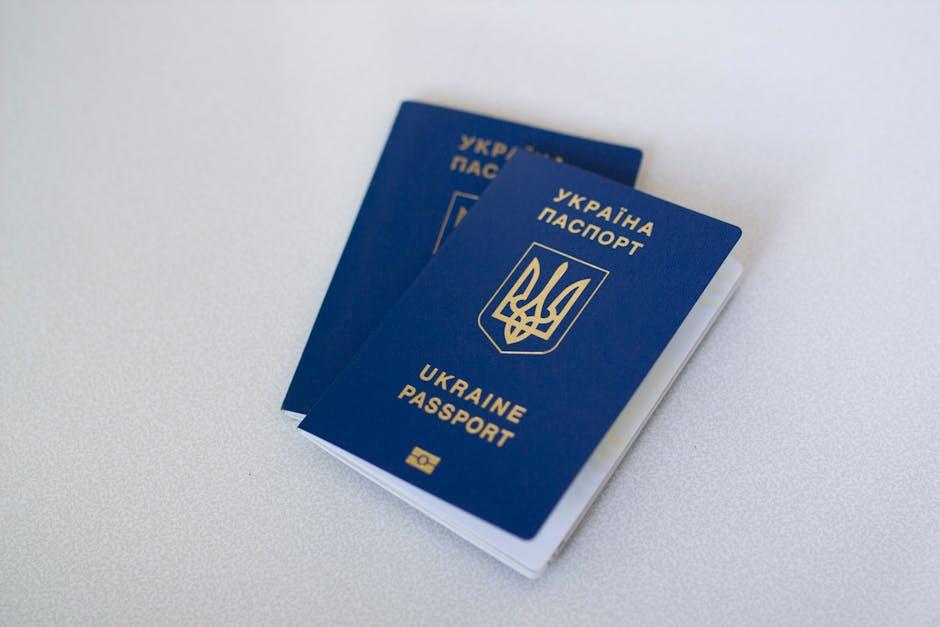
Understanding Dual Citizenship and How It Affects Your Identity
Dual citizenship, also known as double nationality, occurs when an individual is legally recognized as a citizen of two countries simultaneously. This status affects your identity on several levels: legal, cultural, and personal. Legally, it means you must navigate the rights and responsibilities in both countries, which can include taxation, military service, and voting. Culturally, dual citizenship allows you to maintain a connection with two distinct national identities, often fostering bilingualism, cross-cultural understanding, and a broader global perspective. However, it may also create internal conflicts when the values or laws of your two countries clash. Understanding these nuances is essential, as your identity is not just about paperwork but how you relate to and integrate both heritages into your daily life.
When considering dual citizenship, it’s helpful to weigh the benefits against the challenges. Some key advantages include:
- Enhanced mobility with the ability to travel, live, and work more freely between the two countries.
- Access to social services such as healthcare, education, and social security systems in both nations.
- Economic opportunities including employment options and investments in two different markets.
However, challenges can be significant and vary greatly depending on the countries involved. Common concerns include:
- Complicated tax obligations or dual taxation unless a treaty exists.
- Potential military or civic duties in both countries.
- Issues with diplomatic protection if you face legal trouble abroad.
- Complexities when passing citizenship to children or succession of assets.
Below is a brief comparison illustrating how dual citizenship can affect your legal obligations:
| Aspect | Country A | Country B |
|---|---|---|
| Tax Filings | Required annually | Based on residency |
| Military Service | Mandatory for males 18-25 | Voluntary |
| Voting Rights | Allowed in national elections | Allowed only in local elections |
Recommendation: It’s critical to research the specific laws of each country before pursuing dual citizenship. Consulting with immigration experts or legal advisors can help you understand how holding two nationalities will impact your identity not just on paper, but in your everyday life and long-term plans.

The Advantages and Drawbacks of Holding More Than One Nationality
Holding more than one nationality offers distinct advantages that can enhance personal freedom and global mobility. Dual or multiple nationality often allows individuals to live, work, or study more easily across different countries without the need for visas. This can be especially valuable in today’s interconnected world, where opportunities arise beyond borders. Additionally, multiple citizenships may provide access to social benefits such as healthcare, education, and voting rights in more than one nation. Financial opportunities, including investment options and property ownership, can also expand under multiple national affiliations. For families, dual nationality can simplify complex situations involving inheritance laws, residency requirements, and cross-border relationships, providing a sense of security and belonging in two or more cultures.
Nonetheless, holding multiple nationalities is not without challenges. One common drawback is the obligation to comply with the legal duties of each country, such as taxation or mandatory military service, which can sometimes conflict. Navigating the bureaucratic complexities of multiple passports may lead to increased paperwork or legal confusion, especially when countries’ policies toward dual nationality differ significantly. Some nations may not recognize dual citizenship, which can result in the loss of citizenship or difficulties during travel. Here is a brief overview of key pros and cons:
| Advantages | Drawbacks |
|---|---|
| Expanded travel freedom and fewer visa restrictions | Potential for double taxation and complex tax filings |
| Access to wider social services and political rights | Mandatory military service or civic duties in multiple countries |
| Greater cultural integration and family unity | Legal uncertainties if one country doesn’t permit dual nationality |
For those considering applying for a second nationality, it’s essential to research each country’s rules carefully and consult with immigration or legal professionals. This ensures a clear understanding of rights and responsibilities, helping to maximize the benefits while minimizing legal risks or conflicts.
Navigating Legal Complexities When You Have Two Passports
Having two passports often means enjoying the flexibility of double nationality, but it also introduces a range of legal complexities that can be challenging to navigate. One key issue is determining which country’s laws apply in various situations, such as taxation, military service, and legal rights. For example, dual nationals might be subject to tax obligations in both countries, potentially leading to double taxation unless specific treaties or agreements are in place. Additionally, some nations require compulsory military service, and holding citizenship in two countries could mean facing conflicting requirements or even penalties if you fail to comply with one nation’s regulations.
When managing two passports, it’s crucial to stay informed about each country’s policies regarding passport usage, residency, and legal responsibilities. Many dual nationals find it helpful to:
- Use the passport of the country they are entering or leaving to streamline travel and avoid complications at border controls.
- Keep records of citizenship documents and understand visa exemptions that come with each passport to optimize travel plans and avoid inadvertent visa violations.
- Consult legal experts or government resources to address conflicts, such as which nationality is recognized in legal disputes or in cases of arrest abroad.
| Aspect | Potential Legal Concern | Recommended Action |
|---|---|---|
| Taxation | Double taxation risks without treaties | Review tax treaties, file correctly in both countries |
| Military Service | Dual obligations or service refusal penalties | Seek exemptions or deferments; consult embassies |
| Legal Jurisdiction | Which country’s laws apply in disputes or arrests? | Clarify rights with legal professionals; understand diplomatic protections |
Common Misunderstandings About Dual Nationality Explained
Dual nationality is often misunderstood, leading to confusion about what it actually means and how it functions in practice. Many believe that holding two citizenships automatically grants all rights and benefits of both countries equally, but this is not always the case. For example, some countries do not recognize dual citizenship at all or impose legal restrictions, which can affect your obligations such as military service or taxation. Another common misconception is that you have to renounce one nationality to acquire another, whereas many nations explicitly allow their citizens to hold multiple citizenships simultaneously without forfeiting rights. It’s also important to understand that “dual nationality” and “dual citizenship” are often used interchangeably but can differ depending on specific legal contexts: citizenship typically confers full political rights (like voting), while nationality more broadly relates to your legal belonging to a country, influencing passports and consular protections.
Readers often worry about conflicts and complications arising from dual status, but these concerns can usually be managed with proper knowledge. For instance, conflicting laws on taxation and military service requirements are common challenges; however, bilateral treaties and legal advice can help navigate these issues. Additionally, it’s useful to remember that dual nationality doesn’t provide limitless travel or employment freedom—visa requirements and work permits vary widely and aren’t overridden simply by holding more than one passport. To clarify common doubts, here’s a quick comparison of typical rights and responsibilities associated with dual nationality:
| Aspect | Dual Nationality Reality | Common Misconception |
|---|---|---|
| Voting Rights | May have voting rights in both countries, subject to local laws | Assumed automatic full voting rights everywhere |
| Military Service | Dual citizens may face conscription obligations in one or both countries | Belief that dual nationality exempts you from military duties |
| Taxes | Potential tax filing obligations in multiple countries, depending on treaties | Thinking you pay taxes only in one country |
| Travel Freedom | More flexibility with passports but still bound by visa rules globally | Expect limitless travel without restrictions |
Understanding these nuances helps set realistic expectations and better prepares you to enjoy the benefits of holding dual nationality without falling victim to myths or surprises. If you’re considering applying for dual citizenship or already have it, consulting official sources or legal experts in both countries is recommended to ensure you comply with all responsibilities and maximize the advantages. Ultimately, knowledge is key in balancing the rights and duties that come with belonging to two nations simultaneously.
Factors to Consider Before Applying for Citizenship in Two Countries
Before pursuing double nationality, it is crucial to thoroughly evaluate several key factors that impact both the legal and practical aspects of holding citizenship in two countries simultaneously. Not all countries recognize dual citizenship, and this can affect your eligibility or even lead to the loss of one nationality if the other country prohibits it. Additionally, tax obligations can become complex; some countries tax worldwide income regardless of residence, so understanding double taxation treaties and compliance requirements is essential. Beyond finances, consider the impact on military service obligations, voting rights, and access to public services, as these responsibilities or benefits may change or overlap between your two countries.
Another significant consideration is how double nationality affects travel and residency freedoms. While having two passports often simplifies entry to both countries, it could complicate visas or travel restrictions elsewhere depending on diplomatic relations. It’s also wise to review the legal protections and consular support available to dual nationals abroad, which can differ from single citizenship status. Below is a brief comparison highlighting some common differences:
| Factor | Country A | Country B |
|---|---|---|
| Dual citizenship recognized | Yes | No (requires renunciation) |
| Military service requirement | Mandatory for men aged 18-25 | Voluntary |
| Taxation on global income | Yes | No (territorial tax system) |
Given these complexities, prospective dual citizens should consult with immigration lawyers or legal experts familiar with both countries’ policies. Also, review up-to-date government resources and assess your personal situation, such as family ties, career plans, and long-term residency goals, to make an informed decision that aligns with your lifestyle and legal obligations.
Concluding Remarks
In a world where borders blur and identities intertwine, double nationality stands as a testament to our increasingly interconnected lives. It offers a passport not only to multiple countries but to diverse cultures, opportunities, and perspectives. Yet, alongside its privileges come complexities that demand thoughtful navigation. Understanding how double nationality works—and weighing its benefits against its challenges—empowers individuals to embrace this unique legal status with clarity and confidence. As nations evolve and global ties deepen, the concept of holding dual loyalties will undoubtedly continue to shape the way we define belonging in the years to come.




