
In an increasingly interconnected world, the concept of citizenship is evolving beyond traditional boundaries. Enter the intriguing realm of “citizenship by investment”—a pathway where financial contribution unlocks the doors to new national identities. But what does this modern passport really entail? As countries worldwide embrace this innovative approach, offering a blend of opportunity and complexity, it’s essential to unravel its layers. In this article, we explore the fascinating world of citizenship by investment, delving into its benefits, uncovering potential risks, and surveying some of the most popular programs that have captured global attention. Whether driven by business ambitions, lifestyle changes, or strategic planning, understanding this phenomenon is key to navigating the future of global mobility.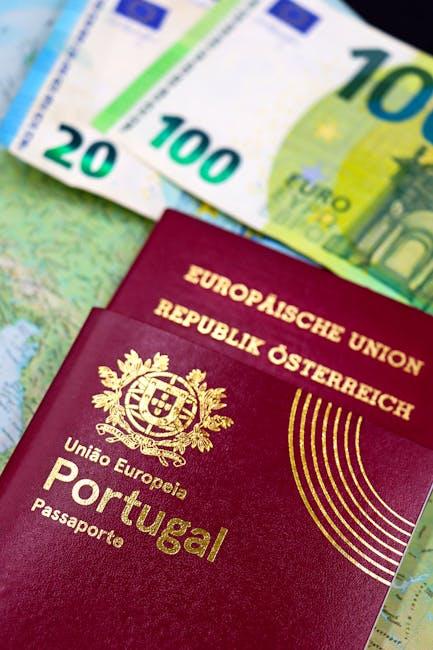
Understanding the Concept of Citizenship Through Investment and How It Works
Citizenship by Investment is a legal process through which individuals can acquire a new nationality by making a substantial economic contribution to a country. Unlike traditional naturalization, which often requires years of residency, language tests, and cultural integration, this fast-track method allows investors to obtain citizenship relatively quickly, usually within a few months. The most common forms of investment accepted are real estate purchases, direct capital investment in government bonds, or contributions to national development funds. These programs are designed to attract foreign capital, stimulate the economy, and provide an alternative revenue stream for the host country.
How it works can vary greatly depending on the country’s regulations, but generally, the process includes:
- Eligibility Assessment: Verification of the applicant’s background, financial standing, and compliance with legal requirements.
- Investment Submission: The investor makes the required contribution, such as purchasing property or donating to a government fund.
- Due Diligence and Approval: Authorities conduct thorough checks to ensure there are no security risks or illegal activities involved.
- Issuance of Citizenship: Upon approval, the investor and qualifying family members receive citizenship, often along with a passport.
| Step | Description | Typical Timeline |
|---|---|---|
| Application | Submission of documents and initial fees | 1-2 months |
| Investment | Transfer of funds or asset acquisition | Varies based on investment type |
| Due Diligence | Security and background checks | 2-4 months |
| Approval & Citizenship Grant | Final decision and issuance of documents | 1 month |
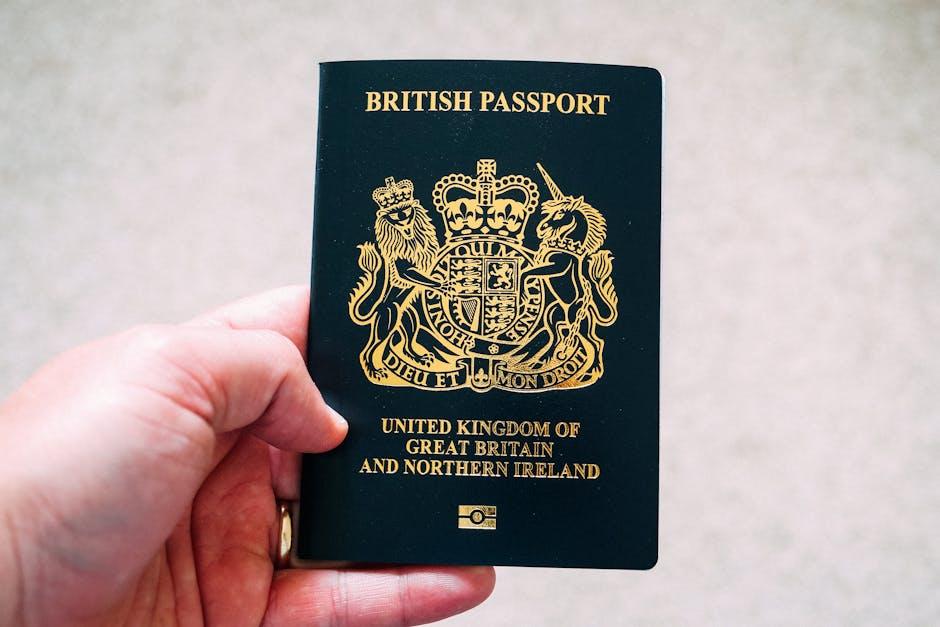
Weighing the Advantages and Potential Downsides of Investor Citizenship
Investor citizenship offers a strategic path to obtaining a second passport by making a qualifying investment, but it’s essential to balance the clear benefits with potential downsides. Among the most attractive advantages are enhanced global mobility, with visa-free or visa-on-arrival access to numerous countries, often surpassing the travel freedom of a person’s original nationality. Additionally, investor citizenship can provide access to better education options, improved healthcare systems, and a more favorable tax environment depending on the jurisdiction. Many applicants appreciate the security and flexibility that come with dual citizenship, allowing for easier business expansion and asset protection worldwide. Furthermore, some programs guarantee relatively fast processing times compared to traditional naturalization routes, making them a preferred choice for high-net-worth individuals seeking efficient solutions.
On the other hand, potential risks and drawbacks of investor citizenship should not be overlooked. The upfront financial commitment can range from several hundred thousand to millions of dollars, often including government fees, due diligence costs, and legal expenses. There’s also the risk of changes to program regulations, including increased scrutiny or even suspension of certain citizenship-by-investment schemes. Additionally, some countries may restrict dual citizenship or enforce complex tax rules that could impact one’s financial or legal standing. Applicants must conduct thorough due diligence—assessing program credibility, transparency, and post-investment obligations—to avoid complications like reputational harm or loss of investment. To help navigate these complexities, here’s a comparative overview of common advantages and challenges in popular investor citizenship programs:
| Aspect | Advantages | Potential Downsides |
|---|---|---|
| Processing Time | Typically 3-6 months | Possible delays due to stricter due diligence |
| Cost | Transparent structured fees | High minimum investment required |
| Visa-Free Access | Access to 100+ countries | Varies significantly by country chosen |
| Dual Citizenship | Permitted in many programs | Some countries restrict or do not recognize it |
Top Destinations for Citizenship by Investment and What Makes Them Stand Out
- St. Kitts and Nevis: Known as the pioneer of citizenship by investment programs, St. Kitts and Nevis offers one of the quickest and most affordable pathways to citizenship. Investors can choose between a non-refundable contribution to the Sustainable Growth Fund or real estate investment. Benefits include visa-free or visa-on-arrival access to over 150 countries, no residency requirement, and strong privacy protections. Its well-established legal framework provides an added layer of security for applicants seeking a fast, reliable option.
- Portugal: Portugal’s Golden Visa program stands out for offering residency with a straightforward path to citizenship after five years. The appeal lies in its low physical presence requirement, access to the Schengen Area, and the ability to bring family members under one application. Applicants can invest in real estate or capital ventures, with Portugal’s stable economy and high living standards making it a favorite for those seeking a European Union passport with broad global mobility.
- Malta: Malta combines robust European Union citizenship benefits with a reputed due diligence process ensuring high compliance standards. The Individual Investor Program (IIP) requires a mix of donation, real estate purchase, and government bond investments. Its visa-free travel covers more than 180 countries, including the U.S. and Canada, along with access to world-class healthcare and education systems, making it ideal for high-net-worth individuals prioritizing security and quality of life.
- Dominica: Dominica stands out for its cost-effective citizenship by investment program geared towards eco-conscious investors. The government fund donation or real estate investment options are highly accessible, with fast processing times and minimal residency requirements. Known for its natural beauty, Dominica offers a straightforward citizenship solution with visa-free travel to over 140 destinations, appealing to those seeking economic citizenship with a simpler entry barrier.
| Destination | Minimum Investment | Processing Time | Key Benefit |
|---|---|---|---|
| St. Kitts and Nevis | $150,000 | 3-6 months | Fastest processing and strong privacy |
| Portugal | €280,000 (real estate) | 6-12 months | EU citizenship with residency |
| Malta | €750,000 + investments | 12-14 months | Access to 180+ countries and EU rights |
| Dominica | $100,000 | 3-4 months | Cost-effective and eco-friendly option |
Key Considerations When Choosing a Citizenship by Investment Program
- Legal Framework and Due Diligence: One of the most critical factors when selecting a citizenship by investment program is understanding the legal framework governing it. Potential applicants should thoroughly investigate the host country’s due diligence process, ensuring it aligns with international transparency standards to avoid future complications. This involves scrutinizing background checks, application timelines, and the program’s reputation for compliance with AML (Anti-Money Laundering) and KYC (Know Your Customer) regulations. A program with rigorous screening not only reduces risks but also enhances the global acceptance of the obtained passport.
- Investment Requirements and Return on Investment: Evaluating the types of investments accepted—whether real estate, government bonds, or business ventures—is essential. Applicants need to assess minimum investment thresholds, associated fees, and any mandatory residency or physical presence requirements. Programs vary significantly, from requiring single lump-sum donations to diversified portfolios. Additionally, considering the potential for financial return or asset appreciation can impact the overall value of the citizenship acquisition, especially in real estate-based schemes.
| Factor | Key Questions to Ask |
|---|---|
| Passport Strength | How many countries allow visa-free access with this citizenship? |
| Processing Time | What is the average duration from application to citizenship approval? |
| Tax Implications | Does obtaining this citizenship impose new tax liabilities or offer optimization? |
| Family Inclusion | Can dependents and extended family members be included under the same application? |
| Political and Economic Stability | Does the country offer a stable environment that safeguards your investment? |
Clearing Up Common Myths About Becoming a Citizen Through Investment
Citizen by investment programs often attract misconceptions that can cloud judgment when considering this pathway. One common myth is that such citizenships are automatically granted without due diligence. In reality, countries offering these programs conduct thorough background checks, financial verifications, and legal screenings to maintain program integrity. Another misunderstanding is that investment amounts are arbitrarily high; however, minimum thresholds vary significantly by country and often come with options—including real estate purchases, government bonds, or donation contributions—each with distinct timelines and requirements.
Many also believe that obtaining citizenship through investment guarantees unrestricted travel or tax advantages. While enhanced visa-free access is a major benefit, it’s important to recognize that travel privileges depend on the country issuing the passport and may still require visas for certain regions. Additionally, tax obligations remain subject to local laws, and acquiring citizenship doesn’t automatically exempt investors from their home country’s fiscal responsibilities. To clarify these points, consider the following example:
| Country | Minimum Investment | Approximate Processing Time | Visa-Free Access |
|---|---|---|---|
| St. Kitts & Nevis | Starting at $150,000 (donation) | 3-6 months | 160+ countries |
| Portugal (Golden Visa) | €280,000 (real estate) | 6-12 months | Schengen Area |
| Malta | €750,000 (contribution + investment) | 12-14 months | 180+ countries |
Understanding these nuances helps dispel myths and supports informed decision-making when exploring options to become a citizen through investment.
Concluding Remarks
In the ever-evolving landscape of global mobility, citizen by investment programs stand as intriguing gateways—offering newfound opportunities cloaked in complexity. Whether driven by the promise of economic freedom, enhanced travel, or strategic diversification, these pathways invite careful deliberation. By weighing the benefits against potential risks, and understanding the nuances of popular options, prospective applicants can make informed decisions that align with their aspirations. As borders continue to blur in an interconnected world, citizen by investment remains a compelling chapter in the story of modern citizenship—one that deserves thoughtful exploration and a clear-eyed perspective.




