
In a world increasingly defined by fluid borders and cultural intersections, holding a dual passport is more than just a travel convenience—it is a metaphor for living between two worlds. This unique status offers a blend of possibilities and challenges, weaving together the threads of identity, belonging, and opportunity. Navigating this complex landscape means balancing the privileges and responsibilities that come with dual citizenship, while forging a path that honors both heritage and aspiration. In exploring the nuances of a dual passport, we uncover the delicate dance of embracing multiple identities and unlocking doors across continents, shaping lives that transcend traditional boundaries.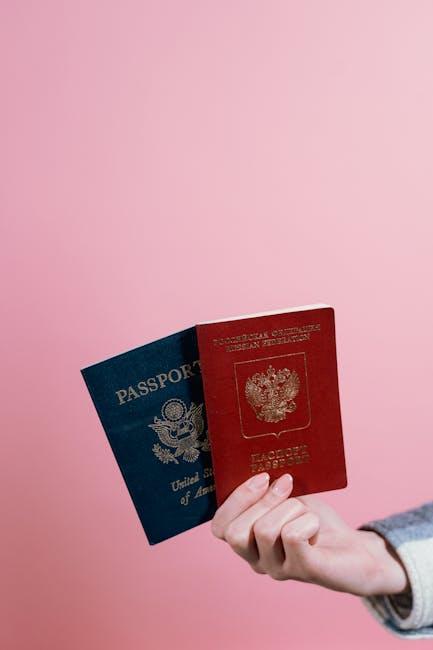
Roots in Two Places and the Quest for Belonging
For many dual passport holders, identity isn’t a simple narrative—it’s a daily negotiation between two cultures and two homes. Take Ana, who was born in Brazil but raised in Portugal. At family gatherings in Lisbon, she felt deeply connected to Portuguese traditions but out of sync during holidays in São Paulo, where her relatives teased her accent and questioned her “authenticity.” These moments of subtle dissonance often led Ana to question where she truly belonged. It wasn’t until she started embracing the duality—integrating both cultures in her self-expression and social circles—that she found a more fulfilling sense of identity. Her story is a reminder that roots in two places don’t have to compete; rather, they offer a richer, more complex foundation for belonging.
However, belonging often requires navigating expectations that clash with reality. For instance, consider Omar, who holds passports from both Canada and Egypt. When moving back to Cairo after years in Toronto, he anticipated a seamless reintegration, confident that his Egyptian citizenship would make him “one of the locals.” Yet, he encountered practical challenges such as bureaucratic hurdles and cultural shifts that made the transition more difficult than expected. This contrast between expectation and experience illustrated an important lesson: a dual passport can open doors, but it doesn’t guarantee immediate acceptance or ease. Instead, it demands patience, cultural sensitivity, and a willingness to adapt—qualities that deepen a person’s connection to both worlds rather than simply choosing one.
- Key takeaway: Dual heritage offers a unique perspective but also requires active effort to establish a genuine sense of belonging.
- Challenge: Reconciling identity conflicts amid different cultural norms and societal expectations.
- Opportunity: Leveraging diverse cultural experiences to forge new, inclusive personal and professional identities.
| Situation | Expectation | Reality | Lesson Learned |
|---|---|---|---|
| Returning to birthplace country with dual passport | Immediate acceptance and ease | Bureaucratic challenges and cultural readjustment | Patience and adaptability are crucial |
| Growing up in second nationality’s culture | Seamless integration within community | Occasional feelings of being an outsider | Embrace hybridity to build genuine belonging |
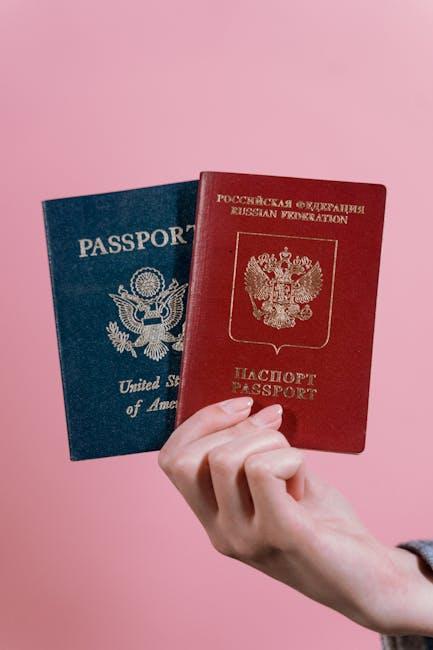
The Hidden Challenges of Dual Citizenship in Everyday Life
Maria always assumed her dual citizenship between Spain and Argentina would be her golden ticket to seamless travel, career flexibility, and a robust sense of belonging. However, her experience quickly revealed layers of complexity she hadn’t anticipated. For instance, when renewing her passports, she encountered conflicting document requirements from each consulate, leading to months of delays. While the expectation was convenience, the reality meant meticulous planning and often juggling bureaucracies in two countries simultaneously. Not to mention the subtle identity dilemmas—Maria found herself having to clarify her status repeatedly, sometimes feeling as though she belonged to neither place completely. This balancing act extended into everyday moments, like deciding where to declare taxes or which driver’s license to renew, each choice carrying unforeseen legal and emotional weight.
Consider also Samir, who holds Canadian and Indian citizenships. He hoped dual citizenship would simplify his job applications and help him access public services smoothly. Yet he quickly learned that dual nationality often meant navigating conflicting laws and cultural expectations—such as military service obligations or eligibility for government benefits. Samir’s experience shows that dual citizenship is rarely just an administrative advantage; instead, it requires constant negotiation between two legal systems and social norms. Here’s a snapshot of some hidden challenges many dual citizens face:
- Loyalty and legal conflicts: Navigating laws on taxation, military service, and political participation can be unexpectedly complex.
- Administrative burdens: Renewals, registrations, and documentation often require double the effort and awareness of different procedures.
- Social expectations: Reconciling cultural norms and expectations in two countries can be emotionally taxing.
| Expectation | Reality |
|---|---|
| Effortless travel between countries | Multiple visa requirements or travel restrictions still apply depending on citizenship status |
| Clear identity and belonging | Frequent questions and misunderstandings about status lead to feelings of in-betweenness |
| Single set of legal obligations | Double taxation, conflicting legal duties, and complex paperwork often arise |
When Borders Blur Identity Finds New Meaning
For many holding dual passports, the journey of identity is less about choosing one nationality over another and more about discovering where the lines between these worlds begin to blur. Take Ana, who grew up in Brazil but holds Portuguese citizenship through her grandparents. Initially, she expected her European passport would simply open doors for her career in Lisbon without much personal impact. Yet, once she arrived, she found herself navigating cultural nuances that neither passport alone could fully explain. Over dinners discussing politics or casual chats about traditions, she realized her identity wasn’t a fixed point but a spectrum of experiences shaped by both her South American roots and European heritage. Moments like these—unexpected yet profoundly personal—redefine what it means to belong.
This duality comes with challenges that are often overlooked in the excitement of new opportunities. Consider David, who holds American and Canadian citizenship. When applying for jobs, he initially assumed his dual status would always be an advantage. However, he quickly learned that in some professional environments, assumptions about loyalty or cultural fit complicated decisions. His story illustrates how identity can become a balancing act, nuanced by perceptions and self-awareness. Through this, he embraced a new framework to understand himself, one where identity isn’t confined by borders but enriched by the fluid, evolving interplay between them.
Key reflections for those navigating dual identities:
- Embrace cultural dissonance as a growth opportunity rather than a conflict.
- Recognize that practical benefits of dual citizenship often come with emotional and social complexities.
- Allow identity to evolve through experiences, rather than forcing it to fit preconceived categories.
Stories of Opportunity Forged Through Dual Passports
Take Maya, for instance, a marketing professional with both Canadian and Indian passports. When a global project demanded travel to a country with stringent visa requirements for Indian nationals, many of her peers faced long wait times and uncertain approvals. Maya, however, was able to leverage her Canadian passport to bypass these hurdles, landing meetings and closing deals ahead of schedule. Yet, this advantage came with nuanced challenges—she found herself balancing expectations from both professional and personal spheres, often needing to clarify her unique position. The experience taught her that dual citizenship isn’t just about seamless mobility; it’s also about navigating multiple cultural and bureaucratic landscapes with agility and sensitivity.
Then there’s Javier, born to Spanish parents but raised in Argentina, who used his dual passport strategically for education and career advancement. Initially, he assumed his European Union citizenship would automatically open doors to any industry in Europe. However, he soon encountered unexpected licensing requirements and local professional norms that weren’t covered by mere citizenship status. This contrast between expectation and reality encouraged Javier to invest time understanding the legal frameworks and professional cultures behind his doors. His story highlights how dual passports provide access, but the real opportunity emerges when combined with local knowledge and proactive adaptability.
- Opportunity: Ease of travel and work authorization in multiple countries
- Challenge: Managing multiple sets of cultural expectations and legal requirements
- Lesson: Citizenship is a gateway, not a guarantee; success requires understanding local nuances
| Individual | Dual Nationality | Opportunity Leveraged | Unexpected Hurdle | Key Takeaway |
|---|---|---|---|---|
| Maya | Canada / India | Expedited travel & business access | Cultural and professional expectation management | Balance legal ease with personal identity navigation |
| Javier | Spain / Argentina | Access to EU education and work | Local licensing and professional norms | Complement passport benefits with local insight |
Navigating Complex Choices and Unexpected Advantages
Imagine Maria, a software engineer holding dual citizenship from Brazil and Portugal. When a job opportunity arose in Berlin, she initially wrestled with the complexities of work visas and residency permits. She assumed that her Portuguese passport would streamline the process, given Portugal’s EU membership, but discovered that certain bureaucratic steps varied depending on her country of residence. The unexpected advantage? Maria could alternate her legal residence between Lisbon and São Paulo based on the job’s travel demands, thanks to her dual passport. This flexibility didn’t just simplify paperwork but also broadened her professional network – a contrast to her original expectation that dual citizenship would only aid mobility, not career growth. For Maria, each decision to use one passport over the other became a strategic move, weighing benefits like tax implications, healthcare access, and social security contributions.
Similarly, Kevin, a dual citizen of Canada and the United Kingdom, faced a critical decision when applying for university scholarships. While he initially thought his UK passport would automatically open doors to European funding, he discovered some grants were exclusively available to Canadian citizens. In this moment, Kevin’s dual status transformed from a source of confusion to a powerful advantage. He carefully navigated scholarship criteria and deadlines by leveraging his dual nationality to apply for opportunities in both countries simultaneously. His experience reveals how dual citizenship can introduce complex choices requiring nuanced understanding of each country’s systems, but also unique benefits when navigated wisely. Below is a snapshot of key considerations that often shape such decisions:
| Factor | Potential Challenges | Unexpected Advantages |
|---|---|---|
| Residency & Work Rights | Varied application processes and timelines | Ability to choose residence based on career or personal needs |
| Tax & Social Security | Risk of double taxation or complex filings | Options to optimize financial obligations based on locale |
| Education & Scholarships | Eligibility restrictions linked to citizenship | Access to diverse funding and academic networks |
| Travel & Mobility | Varying visa requirements even within dual citizenship | Flexibility to select the easiest travel route or country entry |
In Retrospect
In the delicate dance between two homelands, holding a dual passport is more than a mere document—it is a bridge spanning cultures, opportunities, and identities. Navigating this unique terrain requires a thoughtful balance of belonging and ambition, where the privileges of crossing borders meet the personal quest for self-definition. As we continue to explore the evolving landscape of global citizenship, the story of those who live “between two worlds” reminds us that identity is not confined by lines on a map, but enriched by the journeys we choose to take.




