
In an increasingly interconnected world, the quest for a second citizenship has evolved from a mere legal formality into a complex and deeply personal journey. Beyond the allure of new passports and expanded opportunities lies a labyrinth of cultural considerations, legal challenges, and emotional reflections. Navigating this path requires more than just paperwork—it demands a nuanced understanding of identity, belonging, and the shifting landscapes of global mobility. This article explores the multifaceted process of gaining a second citizenship, shedding light on the motivations, obstacles, and transformative experiences that lie beyond borders.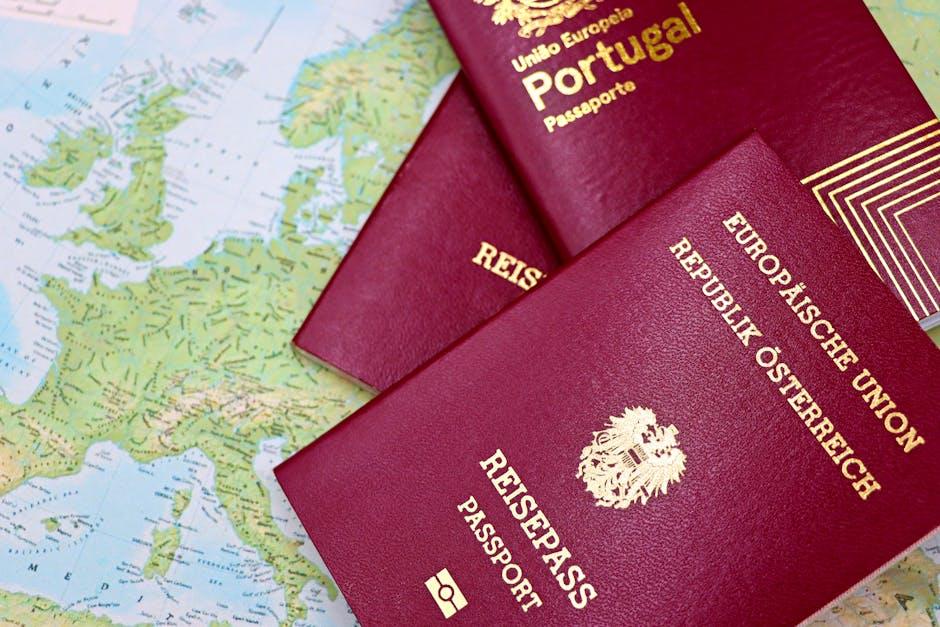
Crossing Thresholds Where Identity and Opportunity Intersect
Maria’s journey to acquire a second citizenship began with a straightforward desire: to gain access to better education opportunities for her children. Initially, she viewed the process as a mere administrative hurdle—gathering paperwork, attending interviews, waiting out timelines. But as she delved deeper, Maria discovered that crossing this threshold often meant confronting profound questions about identity. Would she still feel connected to her homeland? How would this new citizenship reshape her sense of self and belonging? These personal reflections were just as demanding as the legal criteria. The points-based citizenship scheme she pursued emphasized professional skills, yet Maria found herself wrestling with an unspoken trade-off: the opportunity to open new doors came tethered to moments of profound self-examination and cultural negotiation. In conversations with others in her community, she learned that this tension between opportunity and identity is common, highlighting that gaining citizenship is not merely a transactional process but a transformation.
Consider the example of Ahmed, who sought citizenship through investment programs. His expectations were clear—an expedited route to global mobility. However, the reality presented a more complex tapestry. Beyond the initial financial thresholds, Ahmed had to engage with civic duties, language tests, and community integration efforts he hadn’t anticipated. These experiences exposed contrasts between anticipation and actual outcomes, revealing the nuanced relationship citizenship holds with national identity. As he navigated these requirements, Ahmed realized this journey was less about ‘owning’ a new passport and more about embracing a hybrid existence where legal rights merged with cultural responsibilities. This balance is crucial to understanding citizenship as more than a status but as a lived experience that unfolds where identity and opportunity intersect.
| Aspect | Expectation | Reality |
|---|---|---|
| Documentation Process | Straightforward and quick | Lengthy, detailed scrutiny with emotional ups and downs |
| Identity Shift | Minimal impact | Deep personal reflection and sometimes identity conflict |
| Opportunity Gained | Instant mobility and benefits | Gradual integration and learning of societal duties |
- Identity is redefined through legal and social dimensions.
- Opportunity materializes alongside unexpected personal challenges.
- Citizenship is as much a journey inward as it is outward.
Unpacking the Hidden Hurdles in Securing a Second Passport
When Maria first embarked on her quest for a second passport, she anticipated a straightforward process—submit the documents, complete a few interviews, and voilà, a new citizenship in hand. Yet, reality unfolded quite differently. One of the most unexpected challenges she encountered was the opaque nature of eligibility criteria. While official websites listed requirements, subtle nuances—such as distinctions between “residency” and “physical presence”—left her in a frustrating limbo. These fine points, often overlooked in early research, forced her to reconsider her plan multiple times and seek costly legal advice. Maria’s story echoes a common theme: the journey demands more than paperwork; it requires patience, persistent clarification, and occasionally, restarting the application from scratch.
Moreover, the process is frequently riddled with hidden financial and procedural hurdles that can turn into major deal-breakers. Unlike the upfront fees often advertised, applicants like Adam find that ancillary costs—such as mandatory health checks, background investigations, and translation services—pile up quickly, challenging their budgets and timelines. Here’s a quick snapshot illustrating some typical unseen expenses:
| Hidden Costs | Typical Range |
|---|---|
| Police Clearance Certificates | $50 – $200 per country |
| Medical Tests | $100 – $500 |
| Document Legalization/Translation | $100 – $700 |
| Unexpected Agent Fees | Varies widely |
Learning from these examples, it’s clear the journey demands more than excitement and ambition; it requires realistic planning and adaptability. For many, the emotional balance between hope and frustration often turns into one of the most personal and profound challenges along the path to a second citizenship.
Turning Points in the Pursuit of Dual Belonging
When Maria first set out to gain dual citizenship, she envisioned a seamless addition to her identity—a new passport that would unlock travel freedoms and deeper cultural ties without complicating her current life. But the journey quickly revealed its pivotal moments, each a test of her resolve and adaptability. One such turning point came during the documentary collection stage, where she faced unexpected delays due to lost records from her ancestral homeland. This moment forced Maria to pivot from a straightforward process to a meticulous hunt through archives and relative’s keepsakes, emphasizing that acquiring a second citizenship often requires patience and detective-like persistence. What she learned was that every bureaucratic hurdle not only challenges your timeline but also builds a deeper connection to the country you wish to belong to.
Consider Ahmed’s experience as well, who pursued citizenship in a country vastly different from his own. Early on, he expected the cultural integration to be an automatic byproduct of paperwork completion. Yet, his first few months showed a contrasting reality; citizenship was just the beginning of a long social acclimation. A critical decision moment came when Ahmed had to choose between maintaining a familiar lifestyle or embracing new societal norms, which included language and community participation. His choice to actively engage with local customs transformed his dual citizenship from a legal status into a lived, meaningful experience. These stories underscore two vital lessons:
- Dual citizenship is as much an emotional and social journey as it is a legal one.
- Expect flexibility and eventual immersion beyond official documentation to truly belong.
| Turning Point | Expectation | Reality | Lesson Learned |
|---|---|---|---|
| Document Collection | Quick and smooth process | Lost archives causing months of delay | Patience and resourcefulness are key |
| Cultural Integration | Automatic acceptance after citizenship | Need for active cultural engagement | Belonging requires both legal and social commitment |
Lessons From Stories Woven Across Continents
Take the story of Maria, a young entrepreneur from Brazil, who pursued citizenship in Portugal hoping for seamless access to Europe’s business hubs. Initially, the process seemed straightforward—her Portuguese ancestry provided a clear path. However, the reality hit when bureaucratic delays and overlapping paperwork stretched the timeline by over a year. This pause forced her to rethink her strategy, balancing her business ambitions with the limitations of her current visa status. Maria’s experience sheds light on a crucial lesson: the journey to a second citizenship often involves navigating tangled administrative webs that can affect personal and professional plans. What initially appeared as a mere formality transformed into a test of patience and adaptability, emphasizing the importance of thorough preparation and the need to anticipate delays.
Contrast this with Ahmad, an IT specialist from Jordan, who opted for citizenship through investment in a Caribbean nation. Drawn by promises of a quick process and tax benefits, Ahmad expected instant results but soon realized the importance of deeper due diligence. Beyond financial investment, he had to demonstrate genuine ties to his new home—property visits, community engagement, and sometimes even cultural integration measures emerged as unexpected hurdles. His story illustrates that second citizenship isn’t just a transaction; it requires meaningful commitment inside and outside paperwork. From counting on speed and simplicity to embracing an immersive, at times unfamiliar, journey, Ahmad and Maria’s paths reflect the nuanced realities behind acquiring a new nationality across continents.
- Expectation: Fast-track citizenship through heritage or investment.
- Reality: Variable timelines, complex documentation, and genuine integration requirements.
- Lesson: Flexibility and informed decision-making are as important as financial capacity or ancestry claims.
| Aspect | Maria’s Path (Portugal) | Ahmad’s Path (Caribbean) |
|---|---|---|
| Method | Citizenship by descent | Citizenship by investment |
| Main Challenge | Bureaucratic delays | Community & cultural integration |
| Timeframe | Over 1 year | Several months with ongoing engagements |
| Key Takeaway | Patience and thorough preparation | Commitment beyond finances |
When Legal Rights Meet Personal Dreams: Outcomes of a Dual Journey
When Maria, a software engineer from Brazil, first pursued her second citizenship in Portugal, she envisioned a seamless fusion of legal security and personal freedom. The reality, however, was a nuanced blend of thrills and trials. Securing the passport provided undeniable benefits: the ability to live and work throughout the European Union, access to healthcare, and a sense of belonging in a new community. Yet, Maria quickly learned that legal rights alone don’t guarantee a smooth experience. Navigating cultural integration, language barriers, and even subtle workplace biases challenged her initial expectations. This dual journey emphasized a crucial lesson: legal empowerment must be coupled with emotional adaptability to fully embrace new opportunities.
Consider the story of David, an entrepreneur from South Africa, who obtained Canadian citizenship primarily to expand his business network. Legally, he had the green light to operate across North America, but personal challenges emerged when choosing where to settle and how to balance his original identity with his new one. Moments of hesitation — whether about maintaining family ties back home or investing in local communities — became defining crossroads. This contrasts starkly with the straightforward legal process he underwent. The takeaway? While citizenship status can unlock borders, the richest outcomes come from managing expectations and preparing for the subtle, often unpredictable human experiences that follow.
| Aspect | Expectation | Reality |
|---|---|---|
| Legal Rights | Instant freedom to travel and work | Smooth access with some bureaucratic delays |
| Personal Integration | Quick cultural assimilation | Ongoing adjustments and identity negotiations |
| Professional Growth | New opportunities without obstacles | Expansion with unforeseen personal trade-offs |
To Conclude
In the intricate tapestry of identity and belonging, gaining a second citizenship is more than a legal process—it is a journey that weaves together history, culture, and personal aspiration. Beyond borders, the path is often complex, challenging, and deeply transformative. As you navigate this multifaceted endeavor, remember that every document signed and every step taken reflects a broader story of connection and opportunity. Whether driven by heritage, necessity, or ambition, the quest for a second citizenship invites us to reconsider what it truly means to belong in an interconnected world.




