
In an increasingly interconnected world, the concept of nationality is evolving beyond the traditional boundaries of a single passport. Enter the fascinating realm of triple citizenship—a complex yet empowering status that allows individuals to hold legal membership in three countries simultaneously. But what exactly does triple citizenship entail? How does one navigate the legal labyrinth of multiple nationalities, and what unique advantages does this status confer? This article delves into the intricate world of triple citizenship, offering a clear understanding of what it means, how it functions in practice, and the key benefits it can unlock for those fortunate enough to hold it. Whether you’re a curious traveler, a global professional, or simply intrigued by the shifting landscape of identity and belonging, join us as we explore the multifaceted dimensions of triple citizenship.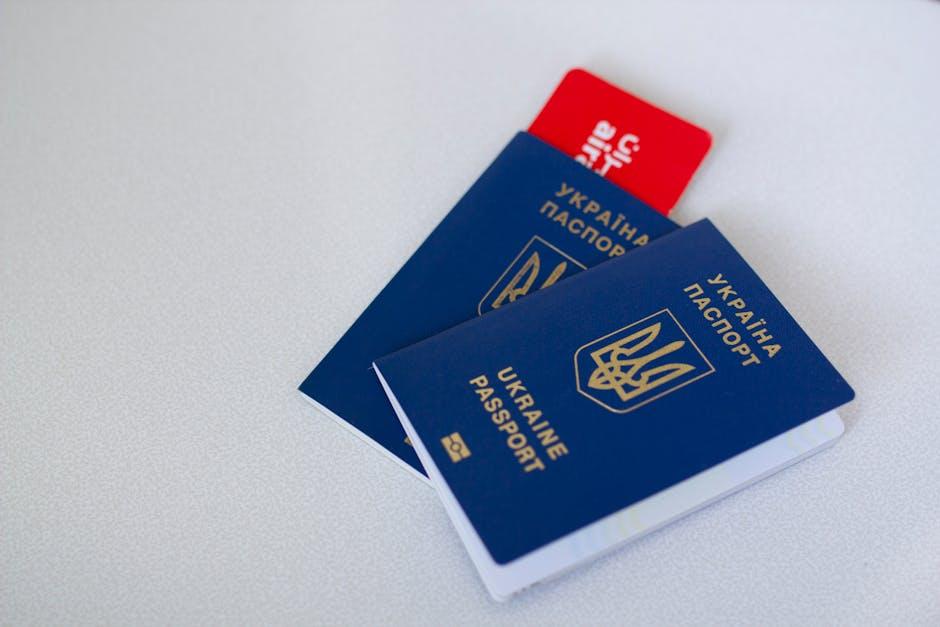
Navigating the Complex World of Triple Citizenship and Its Legal Implications
Triple citizenship, while offering unique advantages, introduces complex legal considerations that require careful navigation. At its core, holding citizenship in three countries means a person is subject to the laws, obligations, and rights of each nation simultaneously. This multi-layered status can affect everything from tax liabilities and military service to voting rights and consular protection. For example, some countries impose mandatory military service, which triple citizens might need to fulfill in more than one jurisdiction. Additionally, tax residency rules vary widely, and triple citizens could potentially face double or triple taxation unless tax treaties between the involved countries provide relief.
To better understand the legal landscape, consider the following key points:
- Legal Conflicts: Conflicting laws between countries can create challenges, such as differing citizenship renunciation rules or varying stances on dual/triple citizenship acceptance.
- Travel and Visa Benefits: Triple citizenship often eases international travel, but it also requires awareness of passport usage rules to avoid issues, such as using the wrong passport to enter certain countries.
- Rights and Duties: Access to social services and political rights varies based on residency and country-specific policies; obligations like jury service or mandatory voting might apply differently across passports.
- Documentation and Proof: Maintaining accurate records and understanding the documentation needed to prove citizenship status in each country is crucial, especially in legal or employment contexts.
| Aspect | Potential Benefit | Possible Challenge |
|---|---|---|
| Taxation | Access to international tax treaties | Risk of double or triple taxation without careful planning |
| Military Service | Potential exemptions based on country agreements | Obligation to serve in more than one country |
| Travel | Multiple passports ease global mobility | Complicated entry/exit procedures |
Given these complexities, individuals considering or already holding triple citizenship should seek expert legal advice tailored to the specific countries involved. Staying informed about each nation’s citizenship laws, tax codes, and consular policies is essential to maximize benefits and mitigate risks. Careful management and proactive compliance can make triple citizenship a powerful tool rather than a source of legal headaches.
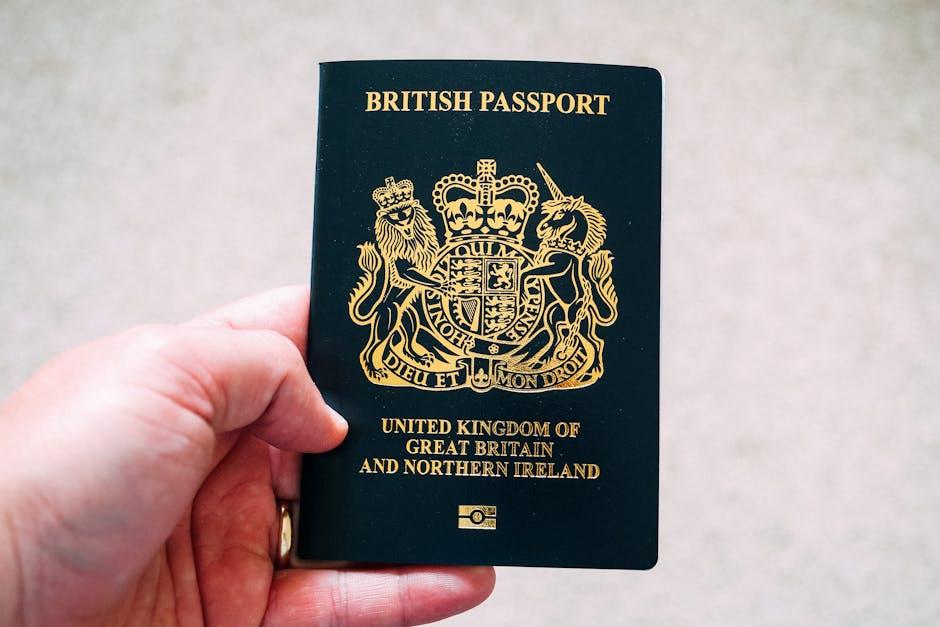
Exploring the Surprising Advantages and Challenges of Holding Three Nationalities
reveals a unique blend of opportunities and complexities that individuals often don’t anticipate. Having triple citizenship can provide unparalleled global mobility, allowing holders to access multiple visa exemptions and work or study privileges across different continents. This significantly broadens professional and personal horizons. In addition, triple nationals can benefit from diverse social security systems, tax treaty advantages, and the ability to invest and hold property in several countries without the usual foreigner restrictions. However, managing three nationalities also requires navigating complicated legal frameworks. Some countries do not fully recognize multiple citizenships, leading to potential conflicts such as mandatory military service or dual tax obligations. Understanding each country’s stance on dual or multiple citizenships is crucial to avoid unexpected legal or civic responsibilities.
When weighing the advantages against the challenges, consider these key aspects:
- Legal Complexity: Triple citizenship often means understanding and complying with the laws of three countries, especially regarding taxation, criminal jurisdiction, and civic duties.
- Identity and Loyalty: Emotional and cultural ties can become complicated, as some nations expect exclusive loyalty from their citizens.
- Consular Support: While triple nationals have access to diplomatic protection from three countries, conflicts may arise when these nations have opposing interests.
- Administrative Burden: Renewing passports, filing taxes, and maintaining documentation for three states can be time-consuming and require meticulous organization.
| Aspect | Advantages | Challenges |
|---|---|---|
| Mobility | Access to more countries visa-free or on simplified terms | Potential conflicts in travel documentation requirements |
| Taxation | Opportunities to optimize tax through treaty shopping | Possibility of double or triple taxation without proper planning |
| Civic Duties | Voting rights and political participation in multiple countries | Compulsory military service or jury duty in more than one country |
How Different Countries Handle Multiple Citizenship and What That Means for You
The approach to multiple citizenship varies widely across countries, reflecting differing national policies on identity, allegiance, and legal obligations. Some countries, like Canada and the United Kingdom, generally permit multiple or even triple citizenship without many restrictions, viewing it as an asset in a globalized world. Others, such as Japan and China, often require individuals to renounce previous citizenships upon acquiring a new one, emphasizing a singular national allegiance. It’s important to recognize that the acceptance or restriction of multiple citizenship often hinges on concerns related to tax obligations, military service, and voting rights. Understanding a country’s stance can clarify what rights and responsibilities you retain—or possibly lose—as a triple citizen.
For those navigating multiple citizenships, the practical implications can vary significantly:
- Legal rights: Some countries grant voting and social benefits only to citizens who reside within their borders, while others extend these rights abroad.
- Tax obligations: The U.S., for example, taxes its citizens on worldwide income regardless of residence, which may complicate tax filing if you hold citizenship in multiple countries.
- Military service: Certain nations require mandatory service that can conflict if you owe duties to more than one country.
- Travel flexibility: Holding triple citizenship can offer powerful travel advantages, including easier visa-free access to more countries.
| Country | Multiple Citizenship Policy | Common Considerations |
|---|---|---|
| Canada | Permits multiple citizenships | No need to renounce other citizenships; voting rights maintained |
| Germany | Generally restrictive, some exceptions | May require renunciation of previous citizenship; dual citizenship allowed for EU nationals |
| Japan | Does not allow multiple citizenship | Must choose one citizenship by age 22 |
| United States | Allows multiple citizenships | Citizens taxed on worldwide income; dual citizenship recognized but not officially encouraged |
If you’re considering or already hold triple citizenship, consulting with legal experts or immigration authorities in each country is crucial. This proactive step ensures you understand the full spectrum of your rights and obligations, prevent inadvertent legal conflicts, and leverage the benefits without encountering unexpected pitfalls related to taxes, military service, or residency requirements.
Common Myths About Triple Citizenship Debunked and Clarified
- Myth #1: Triple citizenship automatically causes legal conflicts. Many believe holding citizenship in three countries leads to legal complications like double taxation, mandatory military service, or conflicting allegiances. While these issues can arise, they are not inevitable. Each country’s laws vary significantly; some have tax treaties or agreements that prevent double taxation, and military obligations may be waived depending on residency or specific exemptions. Triple citizenship requires awareness and proactive management of each nation’s responsibilities, but with proper planning, many challenges are easily navigated.
- Myth #2: You must give up your previous citizenships to acquire a third. A common misconception is that obtaining a third citizenship demands renouncing one or both of your existing ones. In reality, many countries allow multiple citizenships without requiring relinquishment of prior nationalities. The ability to hold triple citizenship depends on the intersection of national policies rather than a strict global rule. It’s crucial to check the regulations of all involved countries before pursuing additional citizenship, as some might have restrictions or require disclosure but do not outright forbid holding multiple passports.
| Myth | Reality | Key Advice |
|---|---|---|
| Triple citizenship leads to unavoidable double taxation | Tax laws differ; treaties often prevent paying taxes twice on the same income | Consult tax professionals and review tax treaties in involved countries |
| Must renounce citizenships to acquire a new one | Many countries permit multiple citizenships simultaneously | Verify dual/multiple citizenship policies before application |
| Triple citizenship is illegal or unsupported globally | Increasingly accepted as migration and globalization grow | Understand specific national laws to avoid violations |
Factors to Consider Before Pursuing Citizenship in Multiple Countries
Before pursuing citizenship in multiple countries, it’s essential to understand the complexities that come with managing triple citizenship. While holding multiple citizenships can open doors to travel, work, and benefits across borders, it also involves navigating diverse legal obligations. Tax responsibilities are a critical factor: some countries tax worldwide income regardless of residence, which can lead to double or triple taxation without proper planning. Additionally, military service requirements, voting rights, and even the risk of losing one citizenship due to conflicting nationality laws should be thoroughly explored. Research each country’s policies on dual or multiple citizenships, as some may not formally recognize triple citizenship or might require you to renounce other nationalities.
Another key consideration is the administrative and lifestyle impact. Holding citizenship in three countries means managing multiple passports, renewing documents, and adhering to different legal systems. Healthcare access, property ownership rights, and inheritance laws can vary significantly and may complicate estate planning. To clarify, here’s a comparative overview of what to evaluate:
| Factor | What to Check | Potential Impact |
|---|---|---|
| Legal Recognition | Does each country allow triple citizenship? | Risk of forced renunciation or loss of rights |
| Taxation | Are you taxed on global income? | Possible double/triple tax burden |
| Military Service | Is conscription required? | Mandatory service affecting personal plans |
| Travel Benefits | Visa-free access advantages | Increased mobility and business opportunities |
Careful consideration of these factors, ideally with legal and financial advice, ensures that pursuing triple citizenship aligns with your long-term goals without unexpected obligations or restrictions.
Future Outlook
In navigating the complex world of triple citizenship, we uncover a unique intersection of identity, opportunity, and responsibility. Understanding what it means to hold allegiances across three nations reveals not only the practical advantages but also the nuanced challenges that come with such a status. As borders blur and global ties strengthen, triple citizenship stands as a testament to the evolving nature of belonging in today’s interconnected world. Whether you’re considering this path or simply curious, grasping its workings empowers you to make informed decisions about your place in a multifaceted global community.




