
In a world increasingly defined by fluid borders and interconnected economies, the concept of citizenship has taken on new dimensions—no longer solely tied to birthplace or heritage but also to opportunity and ambition. “Beyond Borders: Journeys Through Countries Offering Investment Citizenship—and the Dreams, Dilemmas, and Discoveries Along the Way” invites readers on a compelling expedition into a growing global phenomenon. Here, passports become more than travel documents; they are keys to new possibilities, arenas of complex choices, and mirrors reflecting personal and geopolitical aspirations. This exploration not only uncovers the allure of investment citizenship programs but also delves into the intricate realities faced by those who cross thresholds—not just physical, but legal and ethical—seeking a life reimagined Beyond Borders.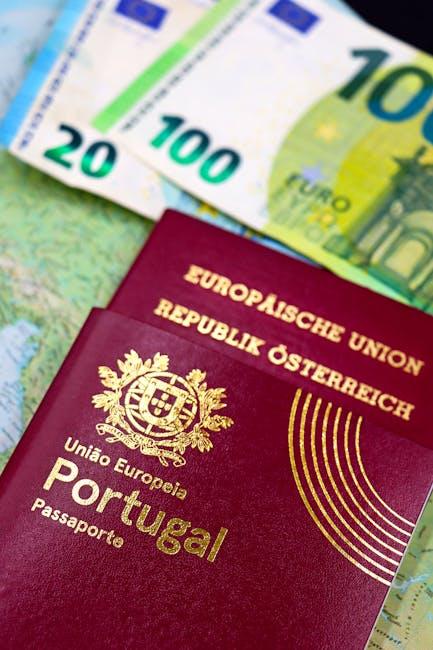
Navigating the Promise and Complexities of Investment Citizenship
- Maria’s ambition to secure a second passport initially seemed straightforward: invest in a small Caribbean island property, submit the paperwork, and enjoy newfound travel freedom within months. Yet, months into her journey, she grappled with unexpected demands—diligent background checks revealing years of minor tax issues, local legal counsel fees ballooning beyond her budget, and a shifting political landscape delaying approvals. Maria’s story underscores a crucial reality: investment citizenship often unfolds as a complex mosaic of patience, precise documentation, and adaptability, rather than a quick transaction.
- Contrast this with Anand’s experience in Europe, where a Golden Visa program promised a clear pathway to residency via real estate investment. Anand anticipated a straightforward route to citizenship after five years, only to discover that legal residency and actual citizenship were distinctly separate, with citizenship requiring language proficiency, cultural integration, and additional bureaucratic hurdles. This difference between expectation and outcome highlights a fundamental lesson for would-be applicants—investment citizenship is not just capital deployment but a series of legal and personal milestones that vary widely by country.
| Key Decision Point | Common Complexity | Lesson Learned |
|---|---|---|
| Due diligence on background and finances | Inconsistent vetting standards and unexpected legal fees | Engage trusted legal expertise early to anticipate hurdles |
| Real estate vs. direct investment routes | Variable wait times and residency obligations | Align choice with personal lifestyle and timeline goals |
| Citizenship eligibility requirements | Language and cultural integration mandates | Prepare for non-financial commitments early |

Personal Accounts of Crossing Cultural and Legal Frontiers
- Maria’s Balancing Act: A software entrepreneur from Brazil sought to diversify her residency options by investing in a Caribbean island nation’s citizenship-by-investment program. Initially, the allure was simple: visa-free travel across Europe and the Americas. However, upon relocating, Maria encountered unexpected cultural nuances—such as informal business networking events often held late into the night—which clashed with her usual work rhythm. Beyond cultural adjustment, Maria also navigated complex legal waters; the country’s regulations on dual taxation required her to engage both local experts and her home country’s tax advisors to avoid double taxation pitfalls. This chapter of her journey underscored that investment citizenship is not merely a transactional process but a multidimensional experience demanding adaptability and thorough due diligence.
- Raj’s Regulatory Reality Check: In contrast, Raj, a tech consultant from India, imagined that acquiring citizenship in a European country would grant him seamless integration and relatively straightforward legal rights. Upon arrival, he quickly realized that the path to full civic participation was far more intricate—especially regarding property ownership and voting rights, which varied significantly from what he expected. His planned venture into local real estate investments faced regulatory hurdles, requiring a deeper understanding of land ownership laws reserved for natural-born citizens. Raj’s story shines a light on the importance of distinguishing between the benefits marketed by citizenship programs and the layered realities of living and investing within those borders, emphasizing preparedness over presumption.
When Dreams Meet Reality Lessons from Unexpected Challenges
When aspirations to secure a new citizenship through investment meet the complex reality, the journey often unfolds in unexpected ways. Take Maria, a tech entrepreneur from Brazil, for example. She envisioned a swift process of acquiring Caribbean citizenship to expand her business access. However, what seemed straightforward on paper turned intricate: rigorous due diligence, shifting regulations, and months of waiting tested her patience. The initial excitement gave way to moments of doubt and careful recalibration. Her experience underscores a common truth—investment citizenship programs are living frameworks, influenced by geopolitical shifts and economic priorities. This often means timelines stretch, fees fluctuate, and documentation demands exceed early expectations.
These challenges do not merely complicate the process; they sharpen critical decision points. For instance, many hopefuls face dilemmas around how much to invest, whether to prioritize speed over cost, or how to validate source of funds transparently amidst varying standards. The case of Daniel and Anika, a couple navigating Eastern European options, revealed the value of flexibility. Initially set on a fast-tracked route, they pivoted toward programs with more stringent but transparent criteria once they recognized the long-term benefits of compliance over shortcuts. Lessons from these journeys highlight key insights for prospective investors:
- Research beyond brochures: Real conditions often differ from marketing promises.
- Anticipate regulatory flux: Laws can change mid-application, requiring adaptability.
- Factor in intangible costs: Emotional stress and unexpected delays impact the overall ‘return.’
- Seek local expertise: On-the-ground advisors illuminate nuances missed from afar.
| Expectation | Reality | Lesson Learned |
|---|---|---|
| Fast process (2-3 months) | 6-9 months wait due to background checks | Anticipate longer timelines; plan accordingly |
| Transparent costs | Additional fees for due diligence and legal compliance | Budget for hidden and variable expenses |
| Investment = guaranteed approval | Applications sometimes denied for insufficient documentation | Prepare meticulous documentation; compliance is key |
Ultimately, the collision of dreams and reality in investment citizenship journeys reveals that success favors those who marry optimism with pragmatism. Navigating these challenges opens doors not only to new passports but to deeper understanding about one’s values, priorities, and resilience.
Comparing Pathways and Policies Across Global Destinations
When comparing investment citizenship programs, the journey often begins with a maze of options, each promising a blend of opportunity and ease—but the reality behind the glossy brochures can vary widely. Take the story of Emma, a tech entrepreneur from the UK, who initially pursued citizenship in St. Kitts and Nevis, drawn by its reputedly fast processing times and minimal interview requirements. However, upon diving deeper, she discovered that while the application could be expedited, the government’s rigorous due diligence meant unexpected delays. Contrast this with Ryan, a Canadian investor, who opted for Malta’s Individual Investor Programme. Malta offered a pathway not just through financial investment but through a phased residency requirement, which felt more secure and transparent to him, despite the longer wait. Their experiences highlight a key lesson: beyond headline features like “speed” or “cost,” the nuances of legal frameworks, government engagement, and even geopolitical climate play a crucial role in how smoothly these journeys unfold.
Understanding these subtleties is essential when weighing policies side by side. For instance, Antigua and Barbuda’s program, often lauded for its accessible donation route, also includes a “residency visit” commitment that surprises many applicants expecting purely transactional citizenship. Meanwhile, Portugal’s Golden Visa, while technically more demanding in terms of minimum stay, opens doors to long-term EU residency and eventual naturalization—a trade-off many find worthwhile for the stability it offers. Below is a snapshot comparison of select destinations, underscoring key decision points:
| Destination | Investment Type | Approximate Processing Time | Residency Requirement | Key Consideration |
|---|---|---|---|---|
| St. Kitts & Nevis | Donation or Real Estate | 3-6 months | None | Fast but with strict vetting delays |
| Malta | Donation + Bonds + Real Estate | 12-18 months | 12 months residency before citizenship | Structured but lengthier process |
| Antigua & Barbuda | Donation or Real Estate | 3-4 months | 5 days/year residency for 5 years | Low residency, but ongoing commitment |
| Portugal | Real Estate or Capital Transfer | 6-12 months | 7 days/year for 5 years | EU residency, long-term citizenship |
Such comparisons illuminate how the “dream” of quick citizenship must be weighed against the practical realities and personal priorities. Whether it’s managing bureaucratic patience as Emma did, or embracing a longer, more stable route like Ryan, each pathway carries its own dilemmas and discoveries—in the end, the best choice is rarely the one that looks easiest on paper but the one that fits an individual’s lifestyle, risk tolerance, and future goals most authentically.
Reflections on Identity Success Stories and Ongoing Debates
- Maria’s Swiss Dilemma: After her successful application for a Swiss citizenship-by-investment program, Maria expected a seamless transition into her new life, complete with streamlined business opportunities and unrestricted travel. Yet, she quickly realized the reality was far more complex. Integration requirements, including language proficiency and cultural assimilation, posed unexpected challenges. Her story highlights a common tension in these programs: the promise of quick citizenship versus the ongoing effort required to fully embrace and benefit from it. For many, acquiring the passport is just the beginning, not the destination.
- Contrasting Outcomes in Caribbean Programs: Consider two entrepreneurs who pursued Caribbean investment citizenships for similar reasons—ease of travel and tax incentives. While one enjoyed almost immediate visa-free access to Europe and North America, the other faced sudden regulatory changes that tightened visa agreements, diminishing the program’s appeal practically overnight. Their experiences underscore a crucial lesson: the success of such investments often depends not only on personal preparation but also on geopolitical shifts beyond individual control.
| Key Reflection | Expectation | Reality & Lesson |
|---|---|---|
| Speed of Citizenship | Fast-track passport acquisition | Process may be fast, but integration and legal hurdles take time |
| Geopolitical Stability | Static visa agreements and economic benefits | Global politics can quickly shift benefits, requiring ongoing vigilance |
| Personal Identity | Seamless identity integration | Citizenship can raise complex questions of belonging and cultural alignment |
To Wrap It Up
As the sun sets on this exploration of investment citizenship, we find ourselves standing at the crossroads of opportunity and identity, ambition and ethics. The journeys through countries that open their doors to investors reveal more than just passports and privileges; they uncover dreams of new beginnings, dilemmas of allegiance, and discoveries about what it truly means to belong. Beyond borders, the pursuit of investment citizenship challenges us to rethink the nature of nationality in an increasingly interconnected world—where the passport you carry may open doors, but the stories you weave define who you are. In navigating these complex pathways, the decision ultimately transcends the transactional, inviting each traveler to embrace not just a new status, but a deeper understanding of home in a global landscape.




