
In a world increasingly defined by interconnectedness and cultural fusion, the concept of identity has grown ever more multifaceted. For those who hold dual citizenship, the experience often means living with two homes-geographical, cultural, and emotional-yet carrying one unified heart. The journey of navigating dual citizenship is as complex as it is enriching, weaving together the threads of belonging, opportunity, and sometimes, conflict. This dual existence offers a unique perspective on nationality, loyalty, and self-understanding, inviting us to explore what it truly means to belong in more than one place at once. In this article, we delve into the nuanced realities faced by dual citizens, illuminating the challenges and triumphs that shape their singular, intertwined lives.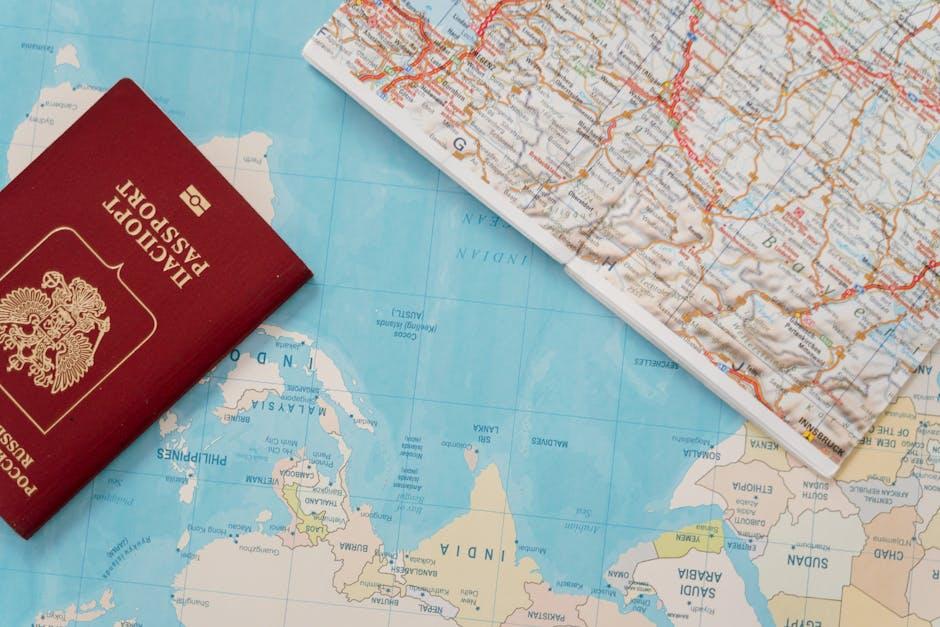
Roots Between Borders Exploring the Emotional Landscape of Holding Two Passports
Imagine Ana, who grew up celebrating Diwali in India but moved to Canada for university. When she finally became a Canadian citizen, the joy was immense-she felt a newfound sense of belonging and opportunity. Yet, holding two passports brought unexpected layers of emotion. At family gatherings back in India, she would proudly show her Canadian ID but also felt a pang of guilt, as if loyalty to one country meant less love for the other. This internal tug-of-war highlights a common truth among dual citizens: dual identities don’t always blend seamlessly. They live in a space where cultural pride and personal allegiance intersect, sometimes causing subtle but persistent emotional dissonance. What was once expected to be a simple passport swap often evolves into a deeply personal negotiation of values, belonging, and identity.
Take for example moments when choices aren’t merely bureaucratic but deeply emotional. Luis, who holds both Mexican and U.S. citizenship, recalls the tough decision to vote in the U.S. presidential election rather than Mexico’s local elections, even though his heart remained connected to his hometown in Jalisco. This contradiction taught him a vital lesson: dual citizenship offers freedom but also responsibility. It pushes you to reevaluate where your commitments lie in different contexts and how they shape your sense of self. Often, people expect dual citizenship to be a passport to endless possibilities, but the reality leans more toward balancing acts-between homes, expectations, and the different ways you’re seen by others with each identity.
On a practical and emotional level, these contrasts can be summarized:
| Expectation | Emotional Reality |
|---|---|
| Feeling equally connected to both nations | Navigating moments of divided loyalty and cultural tension |
| Simple administration and rights access | Juggling complex bureaucracies and sometimes conflicting legal obligations |
| A clear sense of identity | Living in fluid identity spaces, reshaping self-perceptions continuously |
- Lesson: Embracing dual citizenship means accepting its emotional nuances just as much as its practical benefits.
- Decision moments: They often revolve around where to invest time, loyalty, and resources, shaping your evolving journey between two homes.
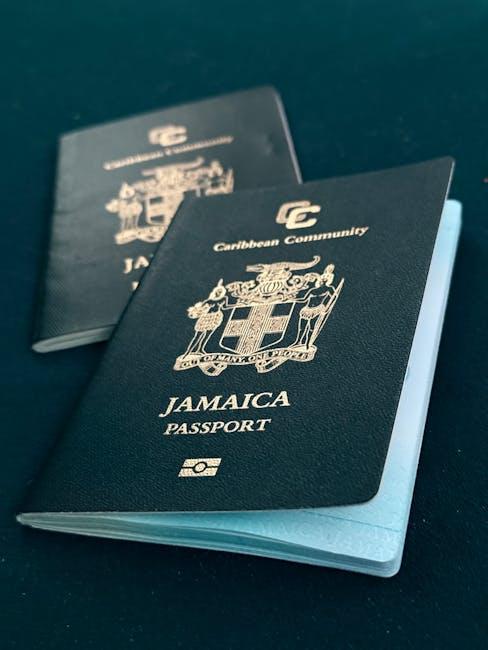
When Belonging Feels Split Managing Family Ties and Cultural Expectations in Dual Citizenship
For many holding dual citizenship, the tug between family and cultural expectations often feels like walking a tightrope. Take Lina, who grew up celebrating both Chinese New Year and Christmas but found herself caught in the middle when her parents expected her to prioritize their traditional festivals over gatherings with her friends in her birth country. These moments become decision points laden with unspoken rules: Should she attend the elaborate ancestral ceremony, knowing it means missing a milestone birthday in her other home? Or should she follow her evolving personal traditions, risking feelings of disappointment from family members who view cultural adherence as a measure of respect and belonging? These tensions aren’t just about dates on a calendar but about identity – reflecting a constant balancing act between honoring the past and carving out an authentic present.
Such choices can reveal a striking contrast between external expectations and internal realities, often leading to deeper insights about what belonging truly means. For instance, Ahmed’s family in Jordan valued loyalty through daily phone calls and sharing customary meals, yet when he lived in Australia, the more casual, individualistic lifestyle shaped his perspective differently. Using a simple table can illustrate the juxtaposition of these expectations:
| Cultural Expectation | Family’s View | Individual’s Experience |
|---|---|---|
| Frequent family gatherings | Essential for maintaining bonds | Seen as overwhelming or impractical |
| Following traditional roles | Important sign of respect | Can feel restrictive to personal growth |
Learning to manage these splits involves more than just negotiation-it requires empathy, patience, and sometimes redefining what family and culture mean on one’s own terms. Eventually, many find that the heart’s allegiance isn’t always to one place or one tradition but to the complex, ever-evolving narrative created by living in two worlds simultaneously.
From Paperwork to Identity Challenges Encountered on the Road to Legal and Personal Acceptance
Securing dual citizenship often starts with meticulous paperwork but quickly blossoms into a labyrinth of identity challenges. Take the example of Ana, a second-generation immigrant juggling her birth country’s documents alongside those from her parents’ homeland. What seemed like a straightforward process-submitting birth certificates and proof of residence-soon morphed into a delicate dance of translation nuances, conflicting definitions of “residency,” and different expectations in government offices. Ana found herself repeatedly caught between two systems: one that required a mere declaration of intent, the other demanding proof spanning years, with each small misstep threatening months of delays or outright rejection.
In these moments, the emotional toll surfaces, often outpacing bureaucratic frustrations. Individuals like Ana frequently encounter unexpected questions about their belonging that no paper can adequately answer. Moments of doubt and identity shifts arise, especially when a decision is needed-whether to prioritize one nationality’s customs over another or when interacting with institutions that struggle to categorize a dual citizen. In these crossroads, key lessons emerge:
- Patience and persistence become more than virtues; they are survival tools.
- Understanding the unique policies of each citizenship jurisdiction prevents critical errors.
- Seeking community support from others navigating similar paths offers invaluable guidance and reassurance.
| Expectation | Reality |
|---|---|
| Smooth, standardized process | Varied bureaucracies with inconsistent criteria |
| Simple identity confirmation | Complex emotional and social redefinition |
| Clear-cut dual identity acceptance | Frequent societal questioning and self-reflection |
Voices from Both Worlds Stories of Resilience and Adaptation in Dual National Lives
Take Ana, who holds citizenship in both Brazil and the United States. When she moved to São Paulo for work after years in New York, the excitement of reconnecting with her Brazilian roots quickly collided with unexpected challenges. Navigating bureaucracy proved more complicated than she anticipated-despite holding dual citizenship, her paperwork for public services was often questioned, as if her identity straddled two worlds but fit nowhere fully. Yet, these moments of friction led her to develop deeper resilience: learning Portuguese legal jargon, building local support networks, and embracing patience as a form of strength. Ana’s journey underscores how expectations of effortless access between countries can clash with reality, but also how adaptability becomes a vital skill in blending these two lives.
Contrast this with Omar, a Canadian-Egyptian engineer who prioritized career opportunities over cultural connections early on. When his company offered a transfer to Cairo, he expected to find immediate belonging, banking on his dual status to smooth the transition. However, the reality was layered: while passports opened doors, social nuances and local customs demanded time and humility to decode. In reflecting on his adjustments, Omar highlights a key lesson-dual citizenship grants legal rights but not instant cultural fluency. His story is a reminder that resilience in these journeys is as much about emotional adaptation and openness as it is paperwork. Below is a brief snapshot of key contrasts experienced by individuals navigating dual citizenship:
| Expectation | Reality | Lesson Learned |
|---|---|---|
| Seamless access to services | Repeated bureaucracy despite dual status | Patience and local knowledge are crucial |
| Instant cultural belonging | Need for gradual social adaptation | Cultural fluency requires time and humility |
| Career mobility | Challenges balancing dual expectations | Flexibility in identity negotiation is key |
- Resilience grows through navigating unexpected obstacles.
- Adaptation often means balancing legal rights with cultural learning.
- True dual belonging is a dynamic process, not a fixed state.
Finding Harmony in Duality Lessons Learned from Balancing Rights, Duties, and Dreams
Maria had always dreamed of fully embracing her dual citizenship between Italy and Canada, envisioning a seamless blend of cultural heritage and opportunity. Yet, the reality proved far more intricate. When her father fell ill in Italy, she was torn between her duty to care for family and her responsibilities in Canada, including a demanding job and civic obligations like voting. The challenge wasn’t just about logistics-it was about navigating conflicting expectations from both sides. Maria learned that finding harmony didn’t mean equal time or perfect balance every day, but prioritizing moments where her rights as a citizen aligned intimately with her duties and personal dreams. This meant sometimes accepting that her dreams had to be flexible, shaped by circumstances instead of rigid timelines.
In practical terms, this often translated into living with ongoing trade-offs. Take Ahmed, a tech professional holding U.S. and Moroccan citizenship: during tax season, he grappled with fulfilling compliance requirements for both countries, uncovering stark differences in regulations and deadlines. He discovered that knowledge and proactive communication within each legal framework were keys to avoiding costly errors and stress. A simple comparison illustrates his approach:
| Aspect | U.S. Citizenship | Moroccan Citizenship |
|---|---|---|
| Tax Filing Deadline | April 15 | March 31 |
| Civic Duty Focus | Voting in federal elections | Community participation and local tax compliance |
| Dream Alignment | Building career & retirement funds | Maintaining family ties and cultural roots |
- Rights: Understanding where protections and privileges apply.
- Duties: Recognizing obligations, even when they clash.
- Dreams: Allowing flexibility to evolve with dual realities.
His story reveals that the balance isn’t static; it’s a daily exercise of negotiation and recalibration-an ongoing dialogue between the heart and the system. It’s in these moments of decision-making that dual citizens find a unique harmony, crafting a life that respects the complexity of two homes yet beats with one unified purpose.
In Conclusion
In the delicate dance of dual citizenship, two homes become more than just places on a map-they transform into intertwined chapters of a singular story. Navigating this complex journey requires embracing the harmonies and tensions that arise when identity spans borders and belonging finds roots in multiple soils. Ultimately, dual citizenship invites us to redefine notions of home and heart, reminding us that the spaces we inhabit externally mirror the intricate landscapes within. As this journey unfolds, it shapes not only the lives of individuals but also the evolving tapestry of a world where multiple loyalties can coexist gracefully, enriching the meaning of what it truly means to belong.




