
In a world increasingly defined by movement and connection, the idea of belonging to more than one place has transformed from a mere concept into a lived reality for millions. For American citizens, holding dual citizenship is a journey that unfolds between two flags-each symbolizing a unique identity, a set of rights, and a web of responsibilities. This layered existence brings with it a complex mosaic of legal, cultural, and emotional challenges, yet also unlocks exceptional opportunities. “Between Two Flags: Navigating the Complexities and Rewards of Dual Citizenship as an American Citizen” invites readers to explore this intricate balance, unraveling how individuals embrace-and sometimes wrestle with-the privileges and duties that come from straddling two worlds.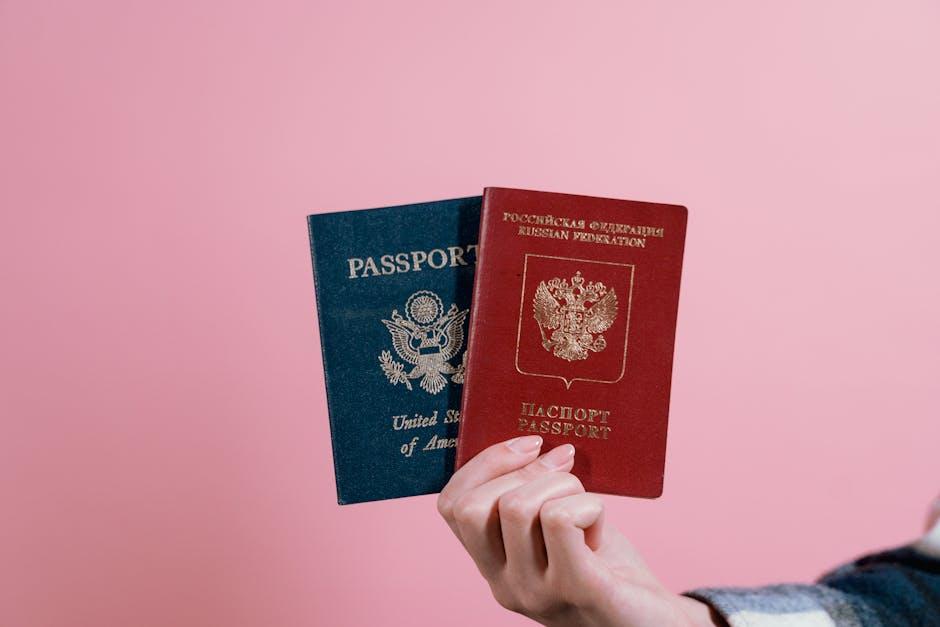
Carrying Two Homelands The Unexpected Moments That Define Dual Allegiance
For many dual citizens, the reality of carrying two homelands hits in moments both small and significant. Take Ana, who grew up in Texas with Mexican heritage. At a family reunion in Mexico, she found herself instinctively switching languages mid-sentence, trying to bridge cultural gaps between relatives who saw her as “American” and those who celebrated her as local kin. This wasn’t just about language-it was navigating identity, expectations, and belonging all at once. For Ana, dual citizenship wasn’t just a legal status; it became a series of unexpected emotional moments where she needed to balance pride, responsibility, and sometimes, guilt.
Similarly, consider David, an engineer with U.S. and German citizenship. When invited to a professional conference in Berlin, he hesitated before using his German passport, aware that it implied tax and social responsibilities back home. Yet, during the event, he realized dual citizenship granted him seamless access, making collaboration easier and expanding his opportunities. His initial concerns contrasted sharply with the practical benefits he experienced. These scenarios often boil down to unexpected decision points, such as:
- Which passport to use for travel and why – considering visa convenience or civic obligations
- How to approach cultural or political conversations – often laden with complex loyalties
- When to engage with national services or support – balancing benefits with responsibilities
| Situation | Expectation | Outcome |
|---|---|---|
| Using foreign passport at airport | Complicated questioning or bias | Smoother entry with fewer delays |
| Participating in national holidays | Feeling alienated or outsider | Deepened connection and shared joy |
| Facing tax filing | Simple process | Uncovered multifaceted tax requirements |
While carrying two homelands can sometimes feel like living in a tug-of-war, it also opens doors to new perspectives and richer life experiences. The surprises along the way transform dual allegiance from a legal nuance to a profound, personal journey of identity and choice.
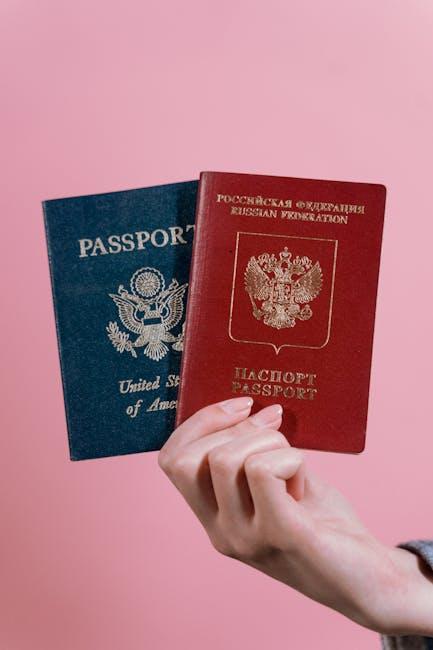
When Loyalties Collide Balancing Legal and Emotional Entanglements
Consider Ana, an American who recently obtained dual citizenship with Mexico, the country of her ancestors. When a family crisis forced her to choose between attending a critical legal proceeding in the U.S. or supporting relatives through a traditional healing ritual in Mexico, she found herself at a challenging crossroads. The legal system demanded her presence, backed by obligations tied to her American citizenship, while her emotional ties urged her to uphold customs deeply rooted in her Mexican heritage. This is where the balancing act becomes palpable-dual citizens often navigate moments where legal duties and emotional loyalties tug in different directions. Ana’s story illustrates how dual citizenship is not just a matter of paperwork but an ongoing negotiation that requires empathy, cultural sensitivity, and sometimes difficult prioritization.
In this balancing act, there are valuable lessons. First, understanding the distinct expectations from each citizenship is critical. Dual citizens must prepare for moments when legal rights and responsibilities-such as taxation, jury duty, or military service-may conflict with personal values or family needs. For example:
| Scenario | Legal Obligation | Emotional Conflict |
|---|---|---|
| Overseas military draft registration | Mandatory registration as a U.S. citizen | Family pressure to avoid military involvement |
| Tax reporting in both countries | Submit returns in U.S. and country of origin | Feeling burdened by complex financial systems |
Preparation, open communication with family, and sometimes professional legal advice can transform potential conflicts into manageable situations. Dual citizens learn that loyalty is not a zero-sum game but a layered identity, where honoring both flags means embracing complexities rather than shying away from them.
Crossroads of Identity Stories From Navigating Cultural and Civic Expectations
Maria, born in the U.S. to Mexican parents, vividly recalls the first time she chose which passport to use when traveling back home for Día de los Muertos. Navigating this duality wasn’t just about documents; it represented a delicate balance between two cultural identities and sets of civic expectations. On one side, her American upbringing emphasized individualism and a sense of personal responsibility in democratic participation-voting, paying taxes, and staying informed about national policies. On the other, her Mexican heritage emphasized communal ties, collective memory, and social obligations that often extended far beyond formal citizenship duties. Maria’s story highlights how dual citizens frequently face moments that demand reflection: should she prioritize her role as an American voter, or immerse herself deeply in her family’s cultural traditions that shape her other citizenship? Every choice revealed new layers of belonging but also posed questions about where authentic loyalty resides.
Consider now Raj, who acquired Indian citizenship through his parents but was raised exclusively in the U.S. For Raj, the expectations from civic institutions sometimes felt mismatched with his lived experience. While U.S. tax laws obligate him to report worldwide income, India’s regulatory landscape expects a different form of participation, including occasional local voting rights and civic duties that seem abstract from his American electoral precincts. Here’s a quick comparison of Raj’s daily reality:
| Civic Expectation | United States | India |
|---|---|---|
| Voting | Mandatory registration for federal elections | Eligible but often logistically challenging from abroad |
| Tax Filing | Worldwide income reporting | Tax obligations mainly if residing in India |
| Cultural Participation | Rooted in community events and holidays | Often family-oriented and festival-driven |
Raj’s navigation through this matrix of expectations illuminated the constant negotiation dual citizens undertake, translating civic responsibilities into concrete actions-and at times, choosing which aspects to prioritize. The crossroads of identity are less about a struggle between two flags and more about weaving together a personal tapestry of belonging, where each thread is laden with past lessons and future aspirations.
Lessons Carried Across Borders How Dual Citizenship Shapes Personal Growth
When Maria, born in the Midwest to Mexican parents, first obtained her dual citizenship, she anticipated increased travel ease and perhaps a deeper sense of belonging. What she didn’t expect was how navigating two cultures daily would challenge and expand her identity. Conversations at family dinners would switch seamlessly from English to Spanish, her workplace often reflected the diversity of her heritage, and she found herself bridging perspectives in ways she never had before. This lived experience taught Maria that dual citizenship isn’t just a legal status but a catalyst for continuous personal growth-an ongoing negotiation between two worlds that fosters adaptability, empathy, and a layered self-awareness.
Consider also Daniel, a second-generation Korean-American who pursued dual citizenship to connect with his roots. Initially, he saw the process simply as a bureaucratic hurdle to access educational opportunities abroad. However, the deeper immersion in Korean society exposed him to subtle cultural contradictions that defied his expectations. He realized that embracing dual citizenship meant embracing complexity-learning to reconcile different social norms, values, and even internal conflicts without losing oneself. Both Maria and Daniel’s journeys emphasize key takeaways:
- Dual citizenship deepens cultural literacy, providing not just language skills but nuanced understanding.
- It cultivates emotional flexibility, as individuals navigate situations requiring sensitivity to competing cultural frameworks.
- Personal identity becomes more fluid, often challenging previously held notions of ‘home’ and ‘belonging.’
| Expectation | Reality | Lesson |
|---|---|---|
| Dual citizenship is mainly beneficial for travel and legal rights. | It transforms daily interactions, enriching personal identity and cultural perspective. | The true rewards are beyond paperwork-they shape how you see yourself and others. |
| Cultural belonging will feel straightforward and fixed. | Belonging becomes multifaceted, sometimes ambiguous, but ultimately more inclusive. | Flexibility in self-identity fosters resilience and deeper human connections. |
Weighing the Gains and Sacrifices Decisions That Come With Holding Two Passports
Maria, born and raised in the U.S. but holding her parents’ Mexican passport, recalls the moment she had to decide whether to embrace dual citizenship fully or stick with the simpler, all-American path. The convenience of traveling without visa hurdles was an undeniable gain-no lengthy embassy appointments or rejected tourist stamps. But it wasn’t just about ease of movement. As an entrepreneur eyeing expansion into Latin America, her dual citizenship became a strategic asset, opening doors to local markets with fewer regulations. Yet, these advantages came with unanticipated trade-offs. Navigating the tax landscape meant understanding obligations in two countries, and those late-night consultations with tax experts became a recurring theme. What started as a symbolic link to her heritage morphed into a balancing act of compliance, pride, and opportunity.
Similarly, James, who gained dual citizenship through descent from an Irish grandparent, faced a more emotional crossroad than legal complexities. The Irish passport granted him access to European freedom of movement, a dream for his globetrotting lifestyle. However, the emotional weight of political nuances and dual loyalties often surfaced during diplomatic tensions or family discussions about identity. While the passport represented freedom on paper, the reality included reconciling sometimes conflicting cultural expectations. Owners of two passports often find themselves asking:
- How do I honor both identities without feeling split?
- Are the financial and legal responsibilities worth the global mobility?
- Will societal perceptions of dual loyalty impact my personal or professional relationships?
| Benefit | Potential Sacrifice |
|---|---|
| Visa-free global travel | Increased tax/financial reporting complexity |
| Access to social services and education abroad | Potential conflicting national obligations (e.g., military service) |
| Cultural and familial connection | Identity challenges and societal perception issues |
Ultimately, the decisions that accompany holding two passports are deeply personal, shaped by one’s priorities, risk tolerance, and sense of identity. The story of dual citizenship isn’t just about legal papers-it’s about navigating the delicate dance of belonging, responsibility, and freedom.
To Conclude
In the delicate dance between two flags, dual citizenship invites us to embrace complexity and possibility in equal measure. It challenges the boundaries of identity, loyalty, and belonging while opening doors to new opportunities and cultural richness. For American citizens who navigate this unique crossroads, the journey is as much about understanding the privileges and responsibilities as it is about forging a personal path that honors both homelands. Ultimately, living between two nations is not just a legal status-it is an ongoing story of adaptation, connection, and the evolving meaning of what it means to call more than one place “home.”




