
In an age where borders are simultaneously dissolving and tightening, the allure of a second passport gleams brighter than ever. Promoted as a swift escape route to global mobility and financial freedom, passport-by-investment programs promise a golden ticket to a world without limits. Yet beneath the shimmering surface lies a complex reality-one fraught with ethical quandaries, legal pitfalls, and unpredictable geopolitical shifts. Rather than the seamless gateway it appears to be, obtaining citizenship through investment is often a risky shortcut, offering more questions than answers about what true global freedom really entails. This article unpacks why this enticing path deserves a closer, more cautious look.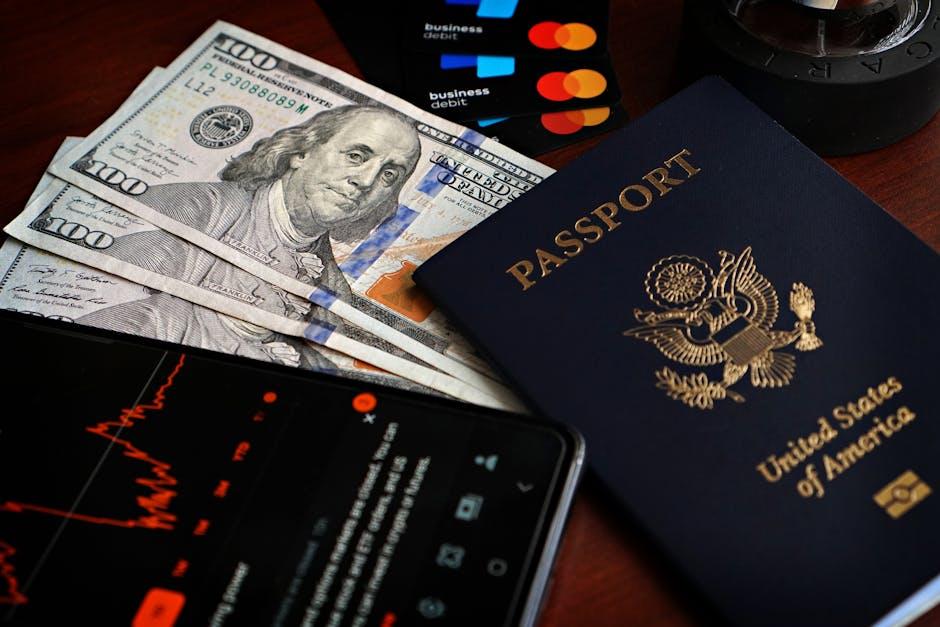
The Illusion of Instant Mobility and Its Complicated Costs
The allure of passport-by-investment programs often hinges on the promise of instant global mobility – a shortcut that apparently transcends the traditional, time-consuming channels for acquiring citizenship. However, this narrative glosses over the complexity and conditional nature of such mobility. While a second passport can indeed open certain travel doors, the reality is far from seamless. Many so-called “golden passports” come with restrictions, time-limited visa-free access, or geopolitical risk exposure that can abruptly diminish the supposed advantage. For example, the same citizens who purchased freedom may find themselves subject to sudden policy reversals, intensified scrutiny at borders, or even complete visa retractions as international relations shift. Mobility here is not an inherent right but a fragile privilege tied to fluctuating political landscapes.
In evaluating this trade-off, it is crucial to move beyond simplistic cost-benefit comparisons and consider the hidden costs that extend beyond the price tag. These include:
- Reputational risks as some destinations are wary of passport-by-investment holders due to concerns about due diligence standards.
- Long-term compliance burdens to maintain dual citizenship status without jeopardizing primary nationality benefits.
- Potential difficulties in accessing social services, banking, and employment compared to native citizens.
The table below encapsulates a nuanced distinction between perceived instant freedom and actual functional freedom:
| Aspect | Instant Mobility (Perception) | Functional Freedom (Reality) |
|---|---|---|
| Visa Access | Vast, on paper | Often limited to short stays and subject to rapid changes |
| Duration of Citizenship | Immediate, indefinite | Might be conditional with revocation clauses |
| Integration in Society | Assumed unnecessary | Critical for long-term benefit and acceptance |
| Political Exposure | Minimal consideration | High risk depending on diplomatic ties and sanctions |
Subject to program-specific terms and international law.
Ultimately, while passport-by-investment schemes offer an alternative to traditional pathways, they demand a sophisticated understanding of mobility’s real dimensions and consequences, far beyond the seductive promise of immediate borderless freedom.
Why Buying a Second Passport Might Undermine True Global Freedom
Purchasing a second passport through investment schemes is often sold as a fast track to ‘global freedom,’ yet this narrative overlooks critical nuances. True global mobility stems from diplomatic relationships, legal frameworks, and societal trust rather than a mere document stamped on your passport. While acquiring an alternate citizenship might offer expanded access to certain regions, it can also dilute the authenticity and long-term value of citizenship itself-transforming it into a commoditized asset rather than a reflection of genuine belonging or mutual responsibility between state and citizen. More so, such passports can raise ethical concerns about fairness and inequality, where only the wealthy can bypass systemic barriers, undermining the universal principle of equal opportunity in global movement.
It’s vital to distinguish between superficial travel convenience and meaningful global engagement. A second passport may unlock visa-free travel to select countries, but not all passports are created equal. Investment passports often come with limitations like increased scrutiny at borders, reputational risks, or political instability of the issuing country. Consider this comparison:
| Passport Type | Potential Advantages | Potential Risks |
|---|---|---|
| Investment Passport |
|
|
| Traditional Passport |
|
|
Ultimately, the decision to pursue a second passport should transcend the allure of convenience and delve into the broader context of meaningful integration and reciprocal commitment. In this light, true global freedom arises not from a transactional acquisition but from fostering mutual respect and opportunity across borders. This subtle but profound distinction challenges the perception that citizenship can (or should) be bought-especially in an era where global mobility encompasses far more than just stamping passports.
Beyond the Hype of Quick Citizenship Solutions
The allure of gaining citizenship swiftly through investment schemes often obscures the complex realities lurking beneath the surface. These programs promise immediate access to a “golden ticket” but fail to deliver the nuanced benefits typically associated with deep-rooted citizenship, such as genuine integration, political rights, and long-term social acceptance. The simplistic equation of capital injection for global mobility overlooks the varied legal, cultural, and diplomatic strings attached. For example, many citizenship-by-investment passports come with limitations-restricted visa-free access compared to established passports, potential scrutiny by global financial institutions, and in some cases, heightened difficulty in renewal or loss of citizenship under shifting political winds. Hence, the real trade-off is between temporary convenience and enduring legitimacy.
It’s critical to dissect the often overstated notion that quicker is inherently better when it comes to citizenship. Instant naturalization may bypass traditional bureaucratic hurdles, but it also risks relegating one’s citizenship to a transactional commodity rather than a symbol of belonging or responsibility. Savvy global citizens should weigh factors like:
- Long-term geopolitical stability of the issuing country-fast-track programs may proliferate in nations with unstable governance or strained diplomatic relations.
- Residency requirements and obligations that impact actual lifestyle flexibility versus theoretical passport power.
- Tax implications and compliance risks linked to dual citizenship, often glossed over in marketing materials.
Ultimately, beating the hype means adopting a more discerning approach-valuing thorough due diligence and a comprehensive life-plan lens over transactional speed. This prevents falling prey to the seductive promise of instant global freedom, which, in many cases, is more mirage than reality.
Legal and Ethical Pitfalls in the Passport Investment Industry
The allure of passports-by-investment programs often glosses over the legal ambiguities and ethical compromises entrenched within the industry. While many buyers focus on the transactional promise of accelerated citizenship, they underestimate the labyrinth of regulatory scrutiny and potential legal entanglements that accompany these schemes. Countries offering such passports frequently alter their criteria without notice, exposing investors to abrupt revocations or protracted legal battles. Moreover, the regulatory oversight varies dramatically-some jurisdictions operate under stringent anti-money laundering (AML) laws and enforce rigorous background checks, whereas others present lax frameworks that inadvertently invite illicit financial flows and corruption. This disparity raises fundamental questions about the legitimacy of acquiring citizenship as a commodity rather than a profound societal bond, challenging the premise that investment alone should suffice to earn the privileges of national identity.
Ethically, the passport-by-investment market treads a precarious line between economic pragmatism and socio-political responsibility. Governments advertising these programs as gateways to opportunity often undermine local social contracts, exacerbating inequalities where wealth, rather than commitment or integration, becomes the primary passport to global mobility. In addition, the industry suffers from a widespread “black box” syndrome-opacity about actual benefits versus hidden costs-where prospective investors frequently encounter overstated promises without sufficient disclosure of risks such as:
- Reputational damage from association with controversial regimes or opaque vetting processes;
- Potential exclusion from major global powers that reject passports obtained through investment;
- Hidden fees, taxation complexities, and unexpected rescissions.
Smart engagement with these programs necessitates a nuanced approach that goes beyond surface appeals: due diligence must encompass not only the immediate fiscal parameters but also the broader legal landscapes and moral implications. Investors should critically evaluate:
| Consideration | Why It Matters | Trade-Offs |
|---|---|---|
| Jurisdiction Stability | Protects against sudden policy reversals | Stable countries often have higher investment thresholds |
| Transparency of Process | Ensures ethical procurement and reduces legal risk | Opaque systems may offer quicker results but lack oversight |
| International Recognition | Determines the passport’s real-world utility | Highly recognized passports are harder to obtain via investment |
In sum, treating passport-by-investment as a mere transactional shortcut diminishes the intertwined legal and ethical fabric citizenship embodies. Wise investors should resist the seductive oversimplification and instead engage with the industry’s complexities through rigorous informed scrutiny, recognizing that few shortcuts come without profound consequences.
Weighing Long-Term Security Against Short-Term Convenience
When evaluating passport-by-investment programs, it is essential to move beyond the surface appeal of immediate access and question the sustainability of such arrangements. While the convenience of sidestepping traditional, often lengthy immigration processes is undeniably tempting, this short-term gain can mask long-term vulnerabilities. These ‘golden tickets’ frequently depend on the political and economic stability of a foreign government, which can shift unpredictably, rendering your newly minted citizenship a liability rather than an asset. Moreover, the transactional nature of these passports reduces them to commodities, subject to regulatory crackdowns, increased scrutiny, and potential revocation if compliance standards change or are violated-risks rarely highlighted in glossy brochures but critical for prospective investors to grasp.
In weighing your options, it is crucial to recognize that global mobility is not solely a function of passport rank or investment but a complex interplay of legal rights, diplomatic relationships, and personal circumstances. A holistic approach requires assessing:
- Security of Legal Status: Permanent residency and citizenship founded on genuine ties tend to offer greater immunity to geopolitical shifts.
- Reputational Considerations: Investment citizenship can sometimes attract negative perceptions, complicating international travel and professional opportunities.
- Long-Term Cost-Benefit Analysis: The upfront financial outlay may seem justified by immediate mobility gains but often lacks resilience against future policy tightening or geopolitical downturns.
| Aspect | Passport by Investment | Traditional Naturalization |
|---|---|---|
| Speed | Fast, often under 1 year | Lengthy, multiple years |
| Stability | Dependent on government policy and reputation | Generally stable, backed by deeper legal frameworks |
| Cost | High upfront investment | Lower direct cost, but time investment |
| Global Acceptance | Variable, sometimes restrictive | More robust, recognized widely |
Rather than succumbing to the allure of quick fixes, aspiring global citizens should prioritize long-term security, legal resilience, and authentic integration over transient convenience. This nuanced evaluation not only mitigates risk but ensures that the passport serves as a meaningful gateway, not a fragile shortcut vulnerable to the whims of international politics and regulation.
In Retrospect
In the quest for global mobility and opportunity, the allure of passport-by-investment programs can seem like a shimmering shortcut-an effortless key to unlock borders and privileges. Yet, beneath the surface of this seemingly golden ticket lies a maze of uncertainties: legal complexities, shifting policies, ethical quandaries, and the unpredictable winds of geopolitical change. Choosing this path may promise freedom, but it often demands a leap of faith into uncharted risks. Ultimately, true global citizenship is less about the documents we hold and more about navigating the world with awareness, prudence, and integrity-qualities no investment can purchase.




