
In a world that feels increasingly interconnected, the concept of identity is evolving beyond borders and passports. Multiple citizenship-often referred to as dual or even triple nationality-is becoming a reality for millions, weaving together diverse cultures, legal systems, and opportunities into a single personal narrative. But what exactly does it mean to hold more than one citizenship? Beyond the allure of multiple passports, this complex status comes with a unique blend of benefits and challenges that affect everything from travel and work to allegiance and legal obligations. In this article, we’ll embark on a journey to uncover the nuances of multiple citizenship, exploring how it shapes lives and offering guidance on navigating its intricate landscape. Whether you’re considering applying for dual nationality or simply curious about this multifaceted phenomenon, understanding what lies beneath the surface is key to making informed decisions in our globalized age.
Understanding Multiple Citizenship and What It Means for You
Multiple citizenship, often called dual or even triple nationality, occurs when an individual legally holds citizenship in two or more countries simultaneously. This status can arise through various avenues such as birthright, naturalization, marriage, or descent. Crucially, multiple citizenship means you enjoy the rights and responsibilities of each nation, which can include voting, taxation, military service, and eligibility for social benefits. However, the complex legal landscape means not all countries recognize or permit dual nationality, making it essential to fully understand each nation’s stance to avoid unintended legal complications.
Living with multiple citizenship often comes with distinct advantages and challenges. On the plus side, it can simplify international travel, expand work and study opportunities, and provide greater access to social services. Yet, there are practical considerations to keep in mind:
- Tax Obligations: Some countries tax worldwide income regardless of residency, requiring careful financial planning.
- Legal Conflicts: Dual citizens may face conflicting laws, such as mandatory military service or different interpretations of rights and duties.
- Complex Bureaucracy: Renewing passports, filing taxes, or resolving consular disputes can be more cumbersome with multiple citizenships.
| Aspect | Single Citizenship | Multiple Citizenship |
|---|---|---|
| Travel Freedom | Limited to one passport’s visa agreements | Access to multiple passports, easing entry to various countries |
| Tax Responsibility | Subject to one country’s tax laws | Possibly liable for taxes in more than one jurisdiction |
| Political Rights | Voting and running for office in one country | Potential rights in multiple countries, but depends on local laws |
For those considering or already holding multiple citizenships, it is advisable to seek legal advice specific to the involved countries, maintain clear records, and understand both the benefits and limitations to navigate this complex but increasingly common status effectively.
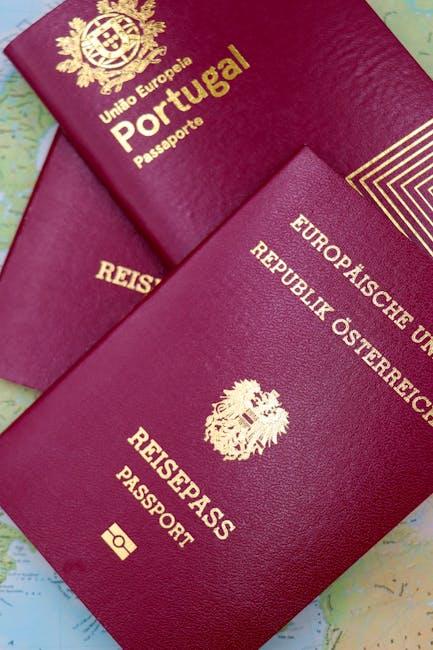
The Advantages and Legal Complexities of Holding More Than One Passport
Holding more than one passport offers a range of advantages that extend beyond simple convenience. Dual or multiple citizenship can provide greater global mobility, allowing individuals to travel visa-free or with simplified entry to numerous countries, which is invaluable for frequent travelers or business professionals. Additionally, multiple passports often grant access to social benefits, education, and employment opportunities in more than one country, enhancing personal freedom and economic prospects. From a financial perspective, diversifying citizenship can facilitate international property ownership, banking, and investment options with potentially favorable tax considerations, though these vary widely depending on the jurisdictions involved.
However, the legal landscape of multiple citizenship is complex and requires careful navigation. Many countries have distinct rules about dual nationality, such as mandatory military service, tax obligations, or limitations on holding public office. For example, some nations may expect dual citizens to pay taxes on worldwide income, while others do not recognize a second passport at all, potentially leading to legal conflicts. It’s important to thoroughly understand the specific regulations in each country involved and consider potential issues like:
- Conflicting nationality laws and possible loss of citizenship upon naturalization elsewhere
- Double taxation and tax reporting requirements
- Restrictions on political rights or government employment
- Mandatory military or civil duties in one or more countries
Below is a simplified comparison of common passport-related realities for dual citizens:
| Aspect | Potential Benefit | Legal Complexity |
|---|---|---|
| Travel | Expanded visa-free access | Obligations to report multiple residencies |
| Taxation | Access to tax treaties in some countries | Double taxation risks without treaties |
| Social Services | Eligibility for healthcare and education benefits | Varied eligibility criteria by country |
Common Myths About Dual Nationality Debunked
Myth 1: Dual nationality means double taxes and military service everywhere. While this is a common concern, having multiple citizenships doesn’t automatically subject you to double taxation or compulsory military duties in all your countries of citizenship. Tax obligations typically depend on your residency and the specific tax treaties between nations, not merely your passports. Similarly, military service requirements vary widely; some countries exempt dual citizens from conscription or offer alternatives. Being aware of these distinctions helps avoid unnecessary worries and lets you navigate your responsibilities more efficiently.
Myth 2: Multiple citizenships force you to give up your original nationality. This is often untrue; many countries permit dual or multiple citizenships without requiring renunciation. The reality depends on the laws where you hold citizenship. For instance, the United States allows dual citizenship, while some countries like Japan may require you to choose one nationality upon adulthood. Understanding your nations’ policies is crucial before applying for new citizenships. Below is a quick comparison to clarify common scenarios:
| Country | Allows Dual Citizenship? | Requires Renunciation? |
|---|---|---|
| United States | Yes | No |
| Canada | Yes | No |
| Japan | No (generally) | Yes (by age 22) |
| Germany | Limited | Yes (usually) |
By debunking these myths, you can make informed decisions on acquiring or maintaining multiple citizenships without being held back by misconceptions.
Choosing the Right Path When Embracing Two Countries
When embracing multiple citizenships, choosing the right path involves evaluating how each country’s legal framework aligns with your personal, professional, and financial goals. Some countries officially allow dual or multiple citizenships with minimal restrictions, while others may require you to renounce your previous nationality or impose specific obligations, such as mandatory military service or tax reporting. Understanding these nuances helps you avoid unintended consequences like loss of rights, double taxation, or complex residency requirements. Additionally, many people weigh factors such as travel freedom, career opportunities, access to social benefits, and the cultural ties each nationality provides before making a decision.
To make an informed choice, consider the following key aspects:
- Legal Compatibility: Research whether your current country permits dual citizenship or if acquiring another nationality could jeopardize your original one.
- Tax Implications: Understand tax laws in both countries-some demand reporting worldwide income, which may affect your finances.
- Civic Duties: Consider obligations such as voting, military service, or jury duty that might come with your second nationality.
- Travel and Residency Rights: Evaluate visa-free access and rights to live, work, or study in each country.
| Consideration | Country A | Country B |
|---|---|---|
| Dual Citizenship Allowed | Yes | No (Renunciation required) |
| Mandatory Military Service | No | Yes |
| Worldwide Income Taxation | No | Yes |
Ultimately, consulting with legal or immigration specialists and reflecting on your long-term plans ensures that your choice supports your lifestyle and values. Thinking beyond the immediate benefits to how your dual nationality will function in everyday life – from banking and healthcare to family inheritance laws – can prevent conflicts and maximize the advantages of living between two countries.
Practical Tips for Managing Rights and Responsibilities Across Borders
Managing rights and responsibilities across multiple citizenships requires a clear understanding of each country’s legal expectations, especially regarding taxation, military service, and voting obligations. For instance, some countries impose taxes on worldwide income regardless of residency, while others tax only domestic earnings. It’s crucial to regularly consult with tax advisors familiar with both jurisdictions to avoid double taxation or unexpected liabilities. Additionally, military service requirements and voting rights can vary significantly; some states require dual citizens to fulfill compulsory service, whereas others allow exemptions or alternative arrangements. Staying informed through official government websites and consulates can prevent unintentional breaches of these duties and help you fully leverage the benefits your citizenships provide.
Practical steps to streamline your dual nationality experience include maintaining organized documentation, such as passports, residency permits, and tax records from each country. Consider these action points:
- Understand your rights: Confirm healthcare access, property ownership laws, and social security benefits available to dual nationals in each country.
- Track deadlines: Keep calendars for tax filings, passport renewals, and voter registration deadlines to minimize legal complications.
- Seek legal counsel: In complex cases, such as inheritance or business ownership, consult lawyers specialized in international nationality law.
Below is a simple comparison table illustrating common obligations dual citizens might face:
| Aspect | Country A | Country B |
|---|---|---|
| Tax Residency | Worldwide income taxed annually | Tax only on domestic income |
| Military Service | Compulsory between ages 18-25 | Exemptions for dual citizens available |
| Voting Rights | Allowed in national elections | Voting only in local elections |
Maintaining clarity about such distinctions can empower you to fulfill your obligations effectively while capitalizing on the legal and cultural advantages that multiple citizenship offers.
Wrapping Up
In a world that grows more interconnected by the day, multiple citizenship stands as both a passport and a powerful symbol-opening doors to new opportunities while inviting complex questions about identity, loyalty, and legal responsibility. Embracing dual nationality means navigating a delicate dance between cultures, laws, and personal ties, where the benefits of broader horizons meet the challenges of balancing diverse obligations. Whether driven by heritage, lifestyle, or strategic choice, understanding the nuances of multiple citizenship empowers individuals to make informed decisions and embrace a global identity with confidence. As borders blur and lives intertwine, multiple citizenship is not just a status-it’s a journey of discovery, resilience, and belonging in an ever-changing world.




