
In an increasingly interconnected world, the concept of citizenship is evolving beyond mere birthplace or heritage. For some, acquiring a new nationality is not just a dream but a strategic move-offering access to greater mobility, economic opportunity, or personal freedom. Enter the realm of citizenship by investment: a legal pathway where financial contribution opens doors to the privileges and protections of a new homeland. But where exactly can this be done, and what does the process entail? This guide explores the countries embracing citizenship by investment programs, unpacking the methods, requirements, and considerations that shape this unique form of global citizenship. Whether you’re driven by business ambitions, lifestyle changes, or a quest for security, understanding where and how to buy citizenship is the first step toward making this transformative journey a reality.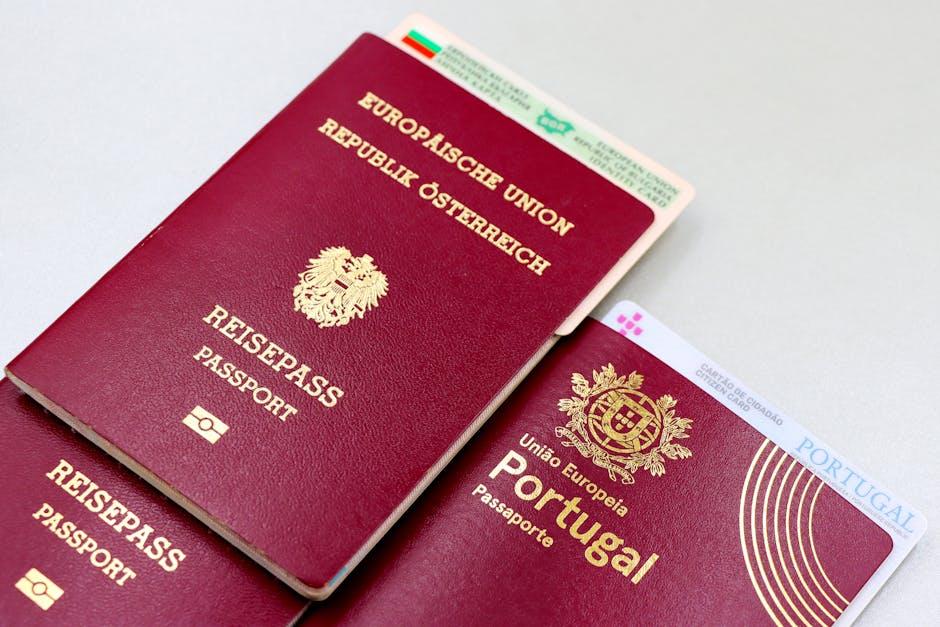
Understanding Citizenship by Investment and What It Means for You
Citizenship by Investment (CBI) is a legal process where individuals can obtain citizenship in a country by making a substantial economic contribution, typically through real estate, government bonds, or direct investment. Unlike traditional naturalization, which often requires years of residency and language or cultural tests, CBI programs offer a faster, more straightforward path to obtaining a second passport. This option is particularly attractive for investors seeking enhanced global mobility, access to new business opportunities, tax advantages, and increased personal security. However, the requirements, investment thresholds, and processing times vary widely depending on the country, making it essential to understand the specifics before committing to any program.
When considering citizenship by investment, it’s important to weigh both the benefits and potential challenges. While many countries offer visa-free travel to numerous destinations, some passports may have more limited global acceptance or involve ongoing obligations such as taxes or residency requirements. Common questions include:
- What types of investments qualify? Options often include real estate, government bonds, job-creating businesses, or donation funds.
- How long does the process take? Some countries provide citizenship within months, whereas others may require more extensive due diligence and longer waiting periods.
- Are there residency requirements? Many programs require minimal or no physical presence, but this varies.
| Key Factor | Typical Variation | Consideration |
|---|---|---|
| Investment Amount | $100,000 to $2 million+ | Choose based on budget and program benefits |
| Residency Requirement | None to 6 months | Necessary for compliance and eligibility |
| Processing Time | 2 months to 2 years | Faster programs preferred for urgent needs |
Ultimately, citizenship by investment can open doors to greater global flexibility and financial diversification, but it demands careful research to find a program that matches your long-term goals and legal constraints. Consulting with legal and financial experts familiar with these programs is highly recommended to navigate the nuances and avoid common pitfalls.
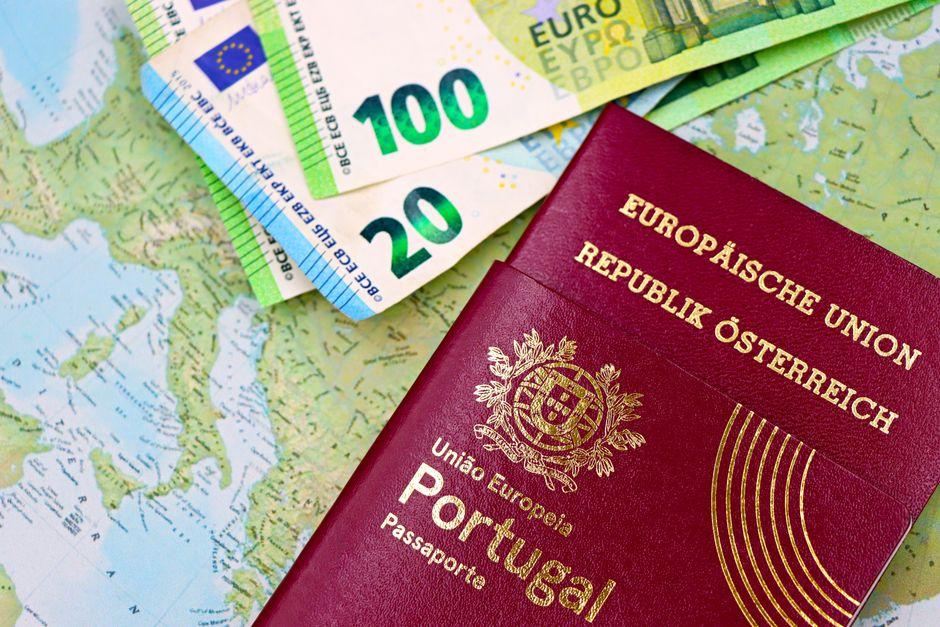
Exploring the Top Nations Offering Passport Options Through Investment
reveals a diverse landscape where governments welcome foreign capital in exchange for citizenship rights. Countries like Saint Kitts and Nevis, Dominica, Malta, Cyprus, and Turkey have crafted streamlined programs enabling investors to obtain passports in as little as 3 to 6 months. These citizenship-by-investment programs usually require a financial contribution in the form of a non-refundable donation to a government fund, real estate purchases, or business investments. Notably, Caribbean nations such as Saint Kitts and Nevis and Dominica are prized for their relatively low investment thresholds-often starting around $100,000-and visa-free travel to over 150 countries including the Schengen Area, the UK, and Canada. European options like Malta and Cyprus, while demanding higher investments often exceeding €500,000, offer access to the EU and its economic opportunities, making them attractive for those seeking both mobility and residence benefits within Europe.
When comparing these top destinations, several key factors emerge as deciding criteria for prospective investors:
- Investment Amount: Varies widely from $100,000 in Caribbean programs to several hundred thousand euros in Europe and Asia.
- Processing Time: Caribbean programs tend to be the fastest (3-6 months), whereas some European countries may require 12 to 24 months.
- Due Diligence: Rigorous background checks are standard, but the depth varies by country-ensuring applicants meet integrity standards.
- Visa-Free Access: Determines the passport’s utility for travel; EU passports naturally offer broader movement within Europe.
- Residency Requirements: Some programs require minimal or no physical presence, while others mandate longer stays.
| Country | Minimum Investment | Processing Time | Visa-Free Access |
|---|---|---|---|
| Saint Kitts and Nevis | $150,000 donation | 3-4 months | ~160 countries |
| Dominica | $100,000 donation | 3 months | ~140 countries |
| Malta | €600,000+ contribution + property | 12-14 months | EU-wide |
| Turkey | $400,000 real estate | 6 months | ~110 countries |
Choosing the right citizenship-by-investment program requires aligning your goals-whether prioritizing global mobility, investment security, or lifestyle flexibility-with the options available. Understanding the nuances between each nation’s requirements, benefits, and restrictions ensures informed decision-making for acquiring a second passport through investment.
Weighing the Pros and Cons Before You Make a Citizenship Purchase
Before deciding to pursue citizenship by investment, it’s crucial to weigh the advantages and potential drawbacks carefully. Citizenship by investment offers expedited access to new passports, often granting visa-free travel to multiple countries, increased business opportunities, and favorable tax regimes. However, these benefits come with significant financial commitments, stringent due diligence processes, and, in some cases, ongoing obligations such as residency requirements or additional fees. Understanding these factors can help prospective investors determine if this path aligns with their long-term goals and lifestyle. Key benefits typically include:
- Enhanced mobility: Visa-free or visa-on-arrival access to dozens of countries, facilitating international travel for business or leisure.
- Economic advantages: Access to new markets, potential tax savings, and business-friendly environments.
- Family inclusion: Many programs allow for citizenship to be extended to spouses and dependents.
Yet, potential challenges deserve equal attention. Some citizenship programs impose minimum stay requirements, which may conflict with personal or professional commitments. Processing times, although faster than traditional naturalization, can vary widely and impact plans. Additionally, the risk of fraud and increased scrutiny from global regulatory bodies means thorough vetting is inevitable, sometimes leading to application denials or delays. Below is a snapshot comparison of common pros and cons to consider:
| Pros | Cons |
|---|---|
| Quick acquisition of a second passport | High investment thresholds (often $100,000+) |
| Greater personal and financial freedom | Rigorous background checks and documentation |
| Opportunity for family citizenship inclusion | Potential residency or travel requirements |
| Access to improved education and healthcare systems | Not all passports confer equal global mobility |
Key Factors to Consider When Choosing the Right Investment Path
- Investment Type and Minimum Amounts: Different countries require varying types of investments, commonly including real estate purchases, government bonds, or direct contributions to national development funds. Understanding the minimum financial outlay is crucial, as it affects not only your initial capital but also liquidity and long-term asset management. For example, some Caribbean programs offer lower minimum thresholds primarily via donation, whereas European countries like Malta and Cyprus typically require substantial real estate investments or business development funds.
- Processing Time and Residency Requirements: The timeline from application to citizenship approval differs widely, ranging from as short as a few months to over two years. It’s important to evaluate processing speeds against potential residency obligations, as some programs mandate physical presence for a specified duration before or after citizenship is granted. These conditions impact your ability to travel freely, maintain your primary residence, or integrate into the new country’s community.
| Factor | Considerations | Example Country |
|---|---|---|
| Investment Type | Real estate, bonds, donations, business ventures | St. Kitts and Nevis (donation) |
| Processing Time | 3 months to 24 months depending on program | Dominica (fast track) |
| Residency Requirements | Minimal to mandatory physical presence | Portugal (residency required) |
Common Misconceptions About Buying Citizenship Uncovered
One of the most common misconceptions about buying citizenship is that it means simply “buying a passport” without any due diligence or legal requirements. In reality, citizenship by investment programs involve strict eligibility criteria, including background checks, proof of source of funds, and residency obligations in some cases. It is not a quick fix but a legal process designed to balance investment with national security and economic benefit. Another frequent misunderstanding is that these programs are only available in Caribbean nations; however, countries in Europe, the Pacific, and the Middle East also offer competitive options, often with different investment thresholds and benefits.
Many also believe that acquiring citizenship through investment automatically grants visa-free travel to all countries. While citizenship by investment does often come with enhanced travel freedom, visa access varies widely among countries and depends on the passport’s global ranking. Here is a quick comparison of notable citizenship by investment programs showing typical investment amounts and associated travel benefits:
| Country | Minimum Investment | Visa-Free Travel Highlights |
|---|---|---|
| St. Kitts & Nevis | $150,000 donation | Over 150 countries, including EU Schengen Area |
| Malta | €650,000 contribution + property | EU citizenship with access to 185+ countries |
| Turkey | $400,000 property purchase | Visa-free access to about 110 countries |
These clarifications help illustrate that buying citizenship is a multifaceted process, not a simple transaction. Prospective investors should seek professional advice to understand the legalities, benefits, and limitations of each program before deciding.
The Conclusion
In the evolving landscape of global mobility, citizenship by investment offers a unique passport to new opportunities, freedom, and security. Whether drawn by the promise of a vibrant economy, favorable tax regimes, or the appeal of cultural diversity, prospective citizens can navigate a range of options tailored to different goals and budgets. As you consider this transformative step, remember that due diligence and professional guidance are essential to unlock the full potential of these programs. Ultimately, buying citizenship is more than a transaction-it’s a gateway to a new chapter, where borders blur and possibilities expand.




