
In an increasingly interconnected world, the concept of citizenship is evolving beyond traditional boundaries, inviting individuals to explore new identities tied not just to place, but to opportunity, belonging, and choice. “Beyond Borders: Navigating the Complex Journey of Second Citizenship and Identity” delves into the intricate tapestry woven by those who seek lives anchored in more than one nation. This journey, often fraught with legal, cultural, and emotional challenges, reshapes notions of home and self in profound ways. As more people cross these intangible frontiers, the quest for second citizenship emerges as both a practical strategy and a deeply personal odyssey-one that challenges the very essence of belonging in the 21st century.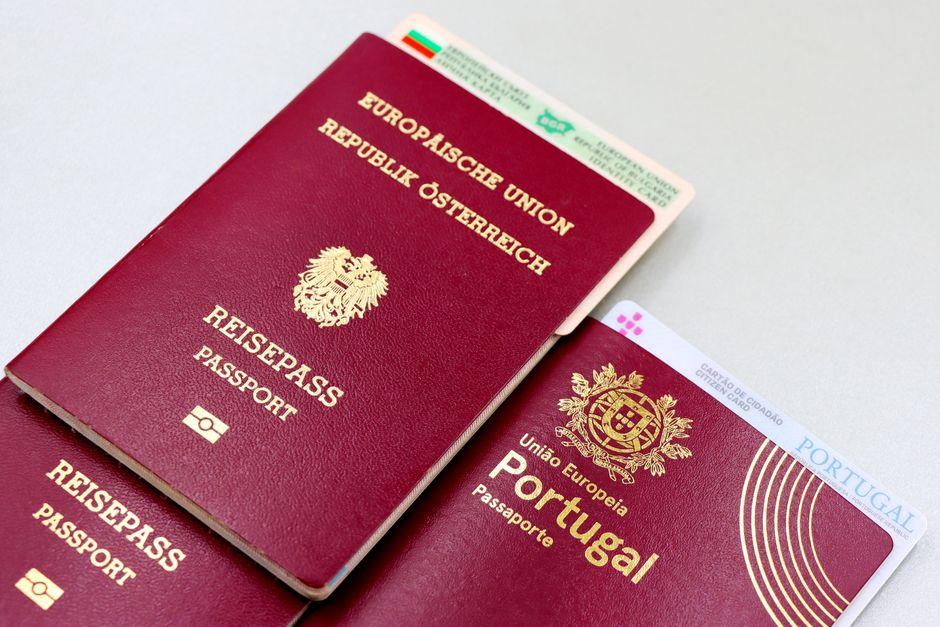
Crossing Cultural Thresholds Through Second Passports
When Maria decided to obtain a second passport, she envisioned a seamless gateway to new opportunities-whether for travel ease, business expansion, or personal safety. Yet, what unfolded was far more intricate. Crossing cultural thresholds didn’t just mean slipping through airport customs faster; it meant navigating the often-unspoken rituals and expectations that come with belonging to another nation. For instance, Maria recalls her first business meeting in her new country-despite holding a local passport, her accent and reference points occasionally marked her as an outsider. This pushed her to learn more than language fluency; she had to understand social nuances, adapt to local communication styles, and build trust in ways that transcended paperwork. Her journey illustrates that second citizenship can be a bridge-but crossing it requires effort, awareness, and a willingness to engage with cultural complexity.*
The experience of crossing cultural thresholds also brings unexpected lessons around identity and belonging. Take Ahmed, who acquired a second passport primarily for stability amid geopolitical unrest. Initially, he felt security and pride holding two nationalities. However, as he settled into his new community, he encountered moments where his dual identity sparked internal conflict. Was he more the citizen born in his original homeland or the one legally recognized elsewhere? He found himself comparing expectations versus reality: the foreign passport provided access but did not instantly confer acceptance. To navigate this, Ahmed adopted a mindset that citizenship is as much about personal narratives and shared experiences as it is about legal status. His story underscores how second passports can offer fresh possibilities but often demand a nuanced dance with culture, identity, and the meaning of home.
| Challenge | Expectation | Reality | Key Lesson |
|---|---|---|---|
| Business interaction | Immediate acceptance as local | Recognition as outsider despite citizenship | Cultural fluency is essential beyond legal status |
| Identity integration | Clear sense of belonging | Complex feelings of duality and internal conflict | Belonging is built through experience, not just passport papers |
- Legal access opens doors but doesn’t guarantee cultural integration.
- Adapting to new norms often involves unlearning and relearning social cues.
- Second citizenship is a journey of identity as much as it is of logistics.
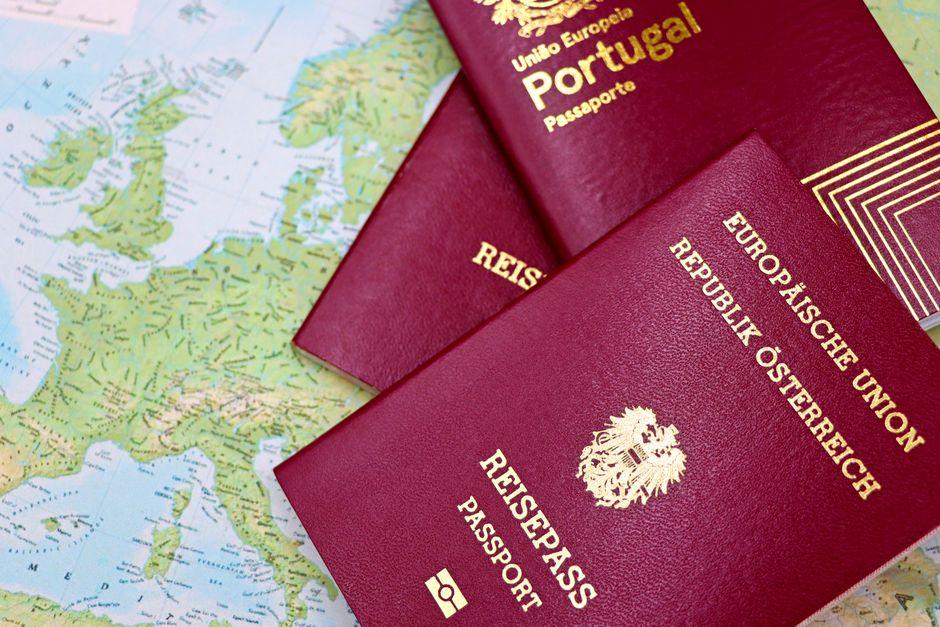
When Home Becomes a Question Mark Navigating Dual Allegiances
For many navigating second citizenship, the question of where home truly lies emerges as an unexpected challenge rather than a straightforward declaration. Take Lina, who after acquiring Canadian citizenship while maintaining her Brazilian passport, found herself grappling with an emotional tug-of-war. Invitations to family gatherings back in Brazil started to feel heavier; she noticed subtle cultural shifts in her own behavior that distanced her from long-standing customs. The identity she once wore naturally became layered with new values and expectations. This dual allegiance often surfaces in moments of decision – whether to fully embrace one nation’s norms or attempt to bridge both worlds. The reality, Lina discovered, was less about choosing sides and more about understanding that home can be a mosaic of feelings and affiliations, complex and fluid rather than fixed.
Similarly, Omar’s journey from Egypt to acquiring German citizenship offers insight into the contrasts between expectation and reality. Initially, he anticipated a seamless integration, expecting his new status to instantly dissolve the feeling of foreignness. Instead, he encountered subtle social barriers and occasional skepticism from both communities – his German colleagues occasionally viewed him as an outsider, while relatives back home questioned his “true” loyalty. This experience highlights how dual citizenship can sometimes amplify the weight of belonging, rather than alleviate it. Key lessons emerge from these experiences:
- Home is not solely geographic: it’s intertwined with language, culture, and social ties that may shift over time.
- Dual allegiances require active maintenance: conscious choices in connecting with both cultures help navigate feelings of in-betweenness.
- Expectations versus reality: the emotional complexity often outpaces legal or bureaucratic definitions of citizenship.
| Individual | Initial Expectation | Experienced Reality |
|---|---|---|
| Lina | Smooth emotional integration | Struggled with cultural dissonance and belonging |
| Omar | Acceptance by both societies | Feeling of outsider status persisted |
Stories of Adaptation and Belonging in New National Landscapes
When Ana moved from Colombia to Portugal seeking second citizenship, she expected a seamless fusion of her Latin American roots with the European lifestyle. Yet, the reality was textured with moments of both clarity and dissonance. At first, the warmth of Lisbon’s neighborhoods felt unfamiliar – her vivid expressions and lively gestures often met with reserved smiles. Ana’s journey to belonging unfolded through small yet profound adjustments: embracing the slower pace of gatherings, learning subtle social cues, and finding joy in local traditions like the pastel de nata rather than expecting instant cultural immersion. One pivotal moment came during a neighborhood festa, where sharing her own customs led to an unexpected bond, revealing that adaptation isn’t about erasing one’s identity but enriching it through shared stories.
Contrast this with Omar, who pursued citizenship in Canada motivated by economic opportunities and a sense of security. His early days were marked by a sharp contrast between expectations-quick assimilation and professional success-and the reality of facing micro-inequities and moments of isolation. Omar’s experience underscores the complexity of belonging: it’s not linear or guaranteed by a passport. Through participating in community programs and volunteering, he found spaces where his hybrid identity was not just accepted but valued. These stories highlight key lessons for anyone navigating new national landscapes:
- Belonging grows through active engagement, not passive presence.
- Embracing contrast and discomfort is part of finding a place between cultures.
- Identity evolves with every interaction, creating new forms of belonging.
| Expectation | Reality | Lesson Learned |
|---|---|---|
| Instant social integration | Initial cultural distance and misunderstandings | Patience and openness are essential in building trust |
| Economic advancement without barriers | Encountered systemic challenges and identity biases | Resilience and community involvement foster inclusion |
| Maintaining original identity unchanged | Identity blended with new cultural elements | Adaptation enriches personal and communal identity |
The Legal and Emotional Maze Behind Acquiring Another Citizenship
When Maria decided to pursue a second citizenship, she imagined a straightforward path to global freedom-a simple application, some paperwork, and a new passport in hand. In reality, she quickly found herself navigating a labyrinthine legal process filled with unexpected hurdles. Each country has its own intricate web of requirements, from language proficiency tests to hefty residency obligations, often leaving applicants like Maria scrambling to fulfill criteria they hadn’t anticipated. For example, in some cases, declaring dual citizenship can require disclosing sensitive information, leading to concerns over privacy or even impacting tax status. The stark contrast between her hopeful expectations and the cold realities underscored an important lesson: acquiring another citizenship is rarely just a procedural formality-it’s a profound legal commitment that demands patience, precision, and sometimes difficult trade-offs.
Beyond the legal maze lies an emotional landscape equally complex. Take Ajay, who obtained citizenship through naturalization but found himself wrestling with a subtle yet persistent identity crisis. The paperwork granted him new rights, yet his sense of belonging remained fragmented. Moments like entering a government office and being greeted in a language only half-familiar or struggling to reconcile traditional customs with new cultural norms brought unexpected emotional weight. The process can awaken a mix of pride, anxiety, and even loneliness, as individuals balance their past heritage with the new privileges and responsibilities. This journey often requires not just legal counsel but personal reflection, making the path toward second citizenship a deeply human experience-a tapestry woven from laws, lives, and the evolving concept of home.
| Challenge | Common Emotional Response | Practical Consideration |
|---|---|---|
| Unexpected Legal Barriers | Frustration and confusion | Thorough research and expert legal advice |
| Conflicting National Identities | Ambivalence and cultural dissonance | Engaging with community and cultural integration |
| Disclosure of Personal Information | Privacy concerns and mistrust | Clear understanding of confidentiality protections |
Reflections on Identity Shaped by Borders Both Drawn and Dismantled
Imagine Maria, a woman who grew up straddling two cultures-her birthplace nestled within one country, while her family roots stretched beyond its border. When she acquired her second passport, the lines on her map took on a new meaning. Suddenly, citizenship wasn’t just a piece of paper but an entry into a complex emotional landscape. The borders she once accepted as rigid began to feel porous, yet paradoxically, some invisible walls lingered inside her identity. The expectations she had built around belonging – that a second citizenship would bring clarity or a sense of “completeness” – instead unfolded into a mosaic of blended loyalties, occasional alienation, and deeply personal reconciliations with what “home” truly meant.
- Before citizenship: Maria saw herself as simply from where she was raised, shaped by familiar languages and traditions.
- After citizenship: She navigated dual narratives that sometimes contradicted each other, challenging her to redefine identity beyond neat national lines.
This internal tension isn’t unique to Maria. Consider several individuals who’ve crossed borders formally and informally. They grapple not only with paperwork but also with moments of self-questioning – how does citizenship influence my connection to culture, family, and community? While borders are drawn on maps and reinforced by legal systems, they are simultaneously dismantled by personal histories and interactions. Often, moments as simple as choosing which passport to present or which language to answer in underscore a profound lesson: identity shaped by borders is fluid, multifaceted, and sometimes contradictory. These experiences teach us that where legal citizenship begins and personal identity ends is rarely linear, but a patchwork stitched by deliberate choices and unforeseen consequences.
| Expectation | Reality |
|---|---|
| Second citizenship would offer a straightforward sense of belonging. | Brought layered identities, requiring ongoing navigation and adaptation. |
| Border crossing symbolized new opportunities without emotional complexity. | Triggered internal reflection on loyalties, community ties, and self-definition. |
In Retrospect
As the world continues to intertwine through the threads of migration, opportunity, and heritage, the pursuit of a second citizenship emerges not merely as a passport to new horizons, but as a profound journey of identity and belonging. Navigating this complex tapestry requires more than legal acumen; it demands a delicate balance between the freedoms of choice and the roots that anchor us. Beyond borders, we find stories-of transformation, challenge, and connection-that redefine what it means to be a global citizen in an ever-evolving world. In embracing these layered identities, we step into a future where belonging is not confined by lines on a map, but shaped by the narratives we choose to live.




