
In a world where national identities are traditionally tied to birthplace or heritage, the concept of citizenship is being reimagined through the lens of global mobility and economic opportunity. Investment citizenship – the practice of acquiring nationality through financial contribution – promises a passport to new horizons, offering benefits ranging from visa-free travel to enhanced business prospects. Yet beneath this appealing surface lie complex challenges, ethical debates, and varying regulatory landscapes that can turn these golden tickets into a maze of uncertainty. “Beyond Borders: Navigating the Promises and Pitfalls of Investment Citizenship Around the World” ventures into this multifaceted terrain, exploring how individuals and nations alike balance ambition, security, and sovereignty in the quest to transcend traditional boundaries.
The Allure of New Horizons Exploring the Motivations Behind Investment Citizenship
When Maria, a successful entrepreneur from Brazil, first heard about investment citizenship, she was captivated by the promise of new opportunities-access to global markets, simplified travel, and a fresh start in a politically stable environment. Like many, her motivation wasn’t solely about banking on a new passport but about securing a safety net for her family amid rising uncertainties at home. Yet once she began navigating the process, Maria encountered a series of decision points that made her pause: balancing the hefty financial thresholds against her long-term vision, and evaluating how much value a second citizenship would truly add to her already mobile lifestyle. Maria’s experience reflects a central truth in this arena-the allure of new horizons is as much about emotional security and future-proofing as it is about the tangible benefits.
Meanwhile, contrast Maria’s story with that of Daniel, a technology consultant from Canada, who pursued investment citizenship mainly for tax efficiency and business expansion. His expectations of swift processing and seamless access to multiple jurisdictions met the reality of intricate legal hoops and fluctuating government policies. Through his journey, Daniel discovered that flexibility and due diligence are just as critical as the initial appeal-especially when market conditions or geopolitical landscapes shift. The lesson here? Investors often start with an idealized vision, but the actual pathway demands adaptability, a clear understanding of local laws, and assessing risks beyond the financial figures alone. Here’s a quick look at common motivations and the realities that typically follow:
| Motivations | Common Expectations | Typical Realities |
|---|---|---|
| Business expansion | Faster market entry and tax benefits | Complex legal requirements and ongoing compliance |
| Personal security | Stability and emergency options | Emotional relief mixed with bureaucratic hurdles |
| Travel freedom | Visa-free access worldwide | Variable visa regimes and restrictions persist |
| Investment diversification | Asset protection and greater opportunities | Market volatility and legal risks |
- Key takeaway: The motivations driving investment citizenship are layered and personal, often blending practical needs with aspirations for freedom and security.
- Expectations vs. reality: Aspirants benefit from pairing enthusiasm with pragmatic analysis to avoid surprises and ensure their chosen path truly aligns with their broader life goals.
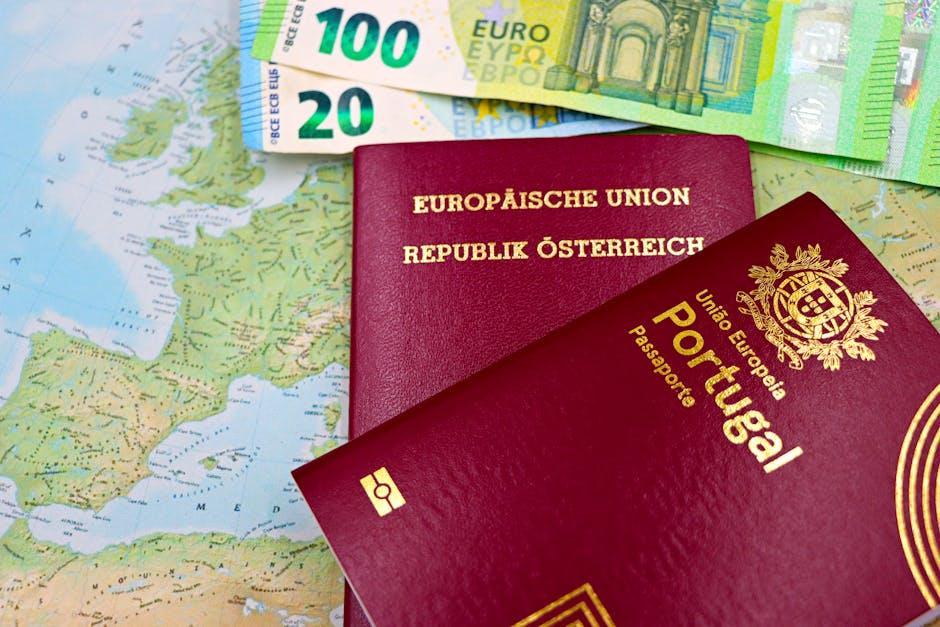
When Opportunities Meet Obstacles Understanding the Legal and Ethical Complexities
Take Maria, a successful entrepreneur from Brazil, who saw an investment citizenship program as her golden ticket to global expansion. The promise was straightforward: invest a certain amount in real estate or government bonds, and a new passport would open doors to visa-free travel and business opportunities. Yet, upon deeper engagement with the process, she encountered a maze of legal intricacies. One key obstacle was navigating the opaque due diligence standards that differ significantly from one country to another. Where she expected clear, step-by-step guidelines, Maria instead faced unpredictable delays and conflicting advice, challenging her initial timeline and budget assumptions. This case underscores a critical lesson: thorough legal consultation and skepticism towards “too good to be true” offers can protect investors from headaches and potential losses.
Similarly, ethical considerations often lurk beneath the surface of these programs. Consider the experience of a Canadian family who invested in a Caribbean citizenship scheme. While the official story emphasizes boosting local economies, they later discovered unsettling critiques about how such investments could exacerbate inequality and marginalize local populations, particularly when funds do not transparently support community development. This contrast between expectation and reality raises important questions about the responsibility of investors beyond personal benefit. Here are some essential decision points that every prospective applicant should weigh carefully:
- Transparency: Does the program provide comprehensive reporting on how invested funds are used?
- Due Diligence: What measures are in place to validate the applicant’s background and source of funds?
- Social Impact: How does the investment genuinely contribute to the local community or economy?
- Legal Protections: Are there safeguards against arbitrary revocation or legal disputes?
| Expectation | Reality | Lesson Learned |
|---|---|---|
| Simple, fast citizenship process | Complex paperwork, lengthy vetting | Prepare for extended timelines; hire experienced legal counsel |
| Minimal ethical concerns | Potential negative social impact | Research community outcomes; prioritize responsible programs |
| Investment guarantees citizenship | Possibility of application rejection or revocation | Ensure transparency on risks; maintain clean personal records |
Turning Points in Policy and Perception How Countries and Applicants Adapt
In 2015, Malta abruptly halted its Individual Investor Programme after concerns about due diligence and the risk of inflating real estate prices sparked intense domestic debate. For many applicants, this decision was a jolt-plans to invest, relocate, or expand business operations suddenly hit a wall. The government’s pivot was as much about protecting national identity as it was about economic prudence. Around the same time, St. Kitts and Nevis introduced more rigorous vetting processes, signaling a clear shift from volume-based citizenship sales to quality over quantity. In one notable example, a family from Southeast Asia sought citizenship through investment for education and global mobility but found that increased scrutiny delayed their application by over a year, forcing a reassessment of their timelines and motivations. These moments underscore a fundamental lesson: the landscape is far from static, and both countries and individuals must be prepared to pivot quickly when political winds change.
- Country decision: Tightening regulations amid domestic political pressure or international scrutiny.
- Applicant adaptation: Enhanced preparation for due diligence, seeking alternative programs, or adjusting investment strategies.
- Lesson learned: Flexibility and thorough understanding of program nuances are essential for success.
Contrast this with the experience of Portugal, which expanded and clarified its Golden Visa program in response to shifting EU attitudes. Unlike the abrupt halts seen elsewhere, Portugal’s approach emphasized transparency and sustainability, leading many applicants to view it as a reliable long-term opportunity. However, the expectation of immediate citizenship often clashed with the reality of multi-year residency requirements – a misalignment that caught several investors off guard. Meanwhile, smaller nations such as Dominica took a more gradual stance, fine-tuning economic citizenship to balance investor appeal with international compliance standards. These nuanced adaptations reveal the complex dance between policy-makers’ ambitions, applicant expectations, and global pressures-a tension that continues to shape the future of investment citizenship.
| Country | Policy Shift | Applicant Impact | Outcome |
|---|---|---|---|
| Malta | Program suspension (2015) | Application delays, loss of planned citizenship benefits | Greater regulatory scrutiny; program redesigned |
| Portugal | Golden Visa expansion with residency clarifications | Longer wait time for citizenship, clearer requirements | High program demand; positive reputation |
| Dominica | Gradual tightening of compliance standards | Steady applicant flow, improved global acceptance | Balanced investor interest and regulatory approval |
Stories of Success and Setbacks Real-Life Experiences from Investors and Nations
- Mark’s Crossroads in St. Kitts: Mark, a tech entrepreneur from Europe, pursued citizenship by investment in St. Kitts and Nevis with the hope of smoother travel and tax benefits. Initially, the process seemed straightforward – a real estate purchase coupled with a due diligence fee. However, what Mark hadn’t anticipated was the unexpected bureaucratic delay that stretched his visa processing from 6 to 12 months amid policy shifts. During this waiting period, Mark’s business faced constraints in international licensing, underscoring how investment citizenship isn’t always a quick passport to opportunity. His patience paid off eventually, but he now advises others to prepare for administrative and legal unpredictability that can cloud even the clearest promises.
- Malta’s National Vision and Economic Reality: On the national front, Malta has actively marketed its Individual Investor Programme, attracting affluent applicants worldwide. The government projected substantial economic gains, especially for its financial and tourism sectors. Yet, the reality posed challenges: rapid influx led to public debate on housing inflation and social integration. For many Maltese citizens, the anticipated prosperity was shadowed by concerns over affordability and national identity. Balancing these competing interests, Malta adjusted its regulations in 2021, instituting stricter residency requirements and enhanced transparency. This pivot illustrates that while investment citizenship can boost economic metrics, its societal ripple effects demand sensitive, adaptive governance.
| Example | Expectation | Outcome | Lesson Learned |
|---|---|---|---|
| Mark (St. Kitts) | Quick citizenship, travel ease | Delays; business disruption | Prepare for process delays; factor in bureaucratic nuances |
| Malta’s Program | Economic boom; social harmony | Housing inflation; policy revisions | Balance economic goals with social impact; policy agility essential |
Charting a Balanced Future Towards Responsible and Transparent Investment Citizenship Programs
When the Smith family decided to invest in citizenship-by-investment to secure greater mobility and educational opportunities, their experience reflected a common narrative: the allure of freedom quickly met regulatory complexity. They initially expected a straightforward process, assuming due diligence was uniformly stringent. Instead, they found opaque procedures and shifting legal landscapes in the host country that demanded patience and expert guidance. This disconnect between expectation and reality underscores the urgent need for transparent policies that provide clear, accessible information at every step-from application to approval. Effective programs that embody responsibility prioritize robust vetting, ensuring each investment not only meets economic goals but also aligns with genuine integration efforts, rather than simply transactional exchange.
Countries like Portugal and Malta illustrate the benefits of balanced frameworks that combine investor assurance with public accountability. Portugal’s Golden Visa program, for example, incorporates periodic residence requirements and comprehensive background checks, leading to a higher quality of integration and sustained economic contribution. By contrast, some programs have faced criticism for being shortcuts with minimal oversight, risking reputational damage and policy reversals. To chart a balanced future in this evolving landscape, policymakers must embrace:
- Clear, consistent eligibility criteria that maintain program integrity while welcoming genuine contributions
- Mandatory transparency measures like public registries of approved investors to build trust
- Regular independent audits and impact assessments to identify and address unintended consequences early
- Collaboration between governments, financial institutions, and civil society to uphold ethical standards
Only through such deliberate, measured approaches can investment citizenship evolve from a controversial shortcut into a credible, mutual partnership between investors and nations eager to welcome them.
In Conclusion
As the global landscape continues to evolve, the allure of investment citizenship remains a compelling chapter in the story of mobility, opportunity, and identity. Yet, beyond the enticing promises lies a complex web of legal, ethical, and economic considerations that demand careful navigation. Whether seeking new horizons or safeguarding assets, prospective investors must weigh both the shimmering potential and the shadowed pitfalls. Ultimately, the journey beyond borders is as much about understanding the nuances of allegiance and belonging as it is about acquiring a new passport-reminding us that citizenship, in all its forms, is never merely a transaction but a profound bridge between worlds.




