
In an era where the world feels simultaneously vast and interconnected, the allure of owning a second citizenship has transcended mere novelty to become a strategic asset. Investment citizenship programs promise a passport to new opportunities-freedom to travel, access to global markets, and a fresh start in welcoming lands. Yet, behind these enticing offers lie complex realities: legal labyrinths, ethical debates, and economic consequences that ripple far beyond individual applicants. This article ventures beyond borders to explore the intricate landscape of investment citizenship, unraveling its promises and pitfalls as nations and individuals navigate this evolving frontier.
The Allure of New Passports in a Globalized World
For many, the quest for a second passport isn’t just about acquiring a new travel document; it’s a step toward unlocking opportunities and freedom in an increasingly interconnected world. Take Ana, a tech entrepreneur from Brazil, who sought investment citizenship in Portugal to seamlessly access the European Union’s markets and lifestyle. What began as a straightforward business decision soon revealed deeper layers-beyond visa-free travel, she gained access to quality education for her children and healthcare, which her original passport couldn’t guarantee. Yet, Ana’s journey underscores a common theme: the expectations around new citizenship often extend far beyond the embassy walls, shaping families, businesses, and personal identities in ways that aren’t immediately apparent.
Contrast Ana’s experience with Mark, an investor from Canada, who pursued citizenship in a Caribbean nation purely for tax benefits and ease of travel. His initial excitement faded as he encountered practical challenges-a limited ability to work in certain countries despite his “powerful” new passport, and the complexities of dual citizenship compliance back home. His story highlights the tension between perceived and actual benefits, a crucial takeaway for anyone navigating this terrain. The allure of a new passport is as much about strategic life planning as it is about paper and ink, demanding a candid evaluation of what new borders really mean in one’s unique life roadmap.
- Key decision points: Purpose of citizenship (family, business, travel), long-term lifestyle implications, legal and tax considerations.
- Lessons learned: Not all “powerful passports” guarantee full freedom; hidden challenges often arise after acquisition.
| Expectation | Reality | Example |
|---|---|---|
| Unrestricted global mobility | Some countries still require visas or have access restrictions | Mark expecting visa-free EU travel but facing restrictions |
| Simple tax benefits | Complex dual taxation rules and compliance costs | Ana needing financial advice post-acquisition |
| Immediate lifestyle upgrade | Adjustment periods; cultural integration demands | Ana’s family adapting to new education and healthcare systems |
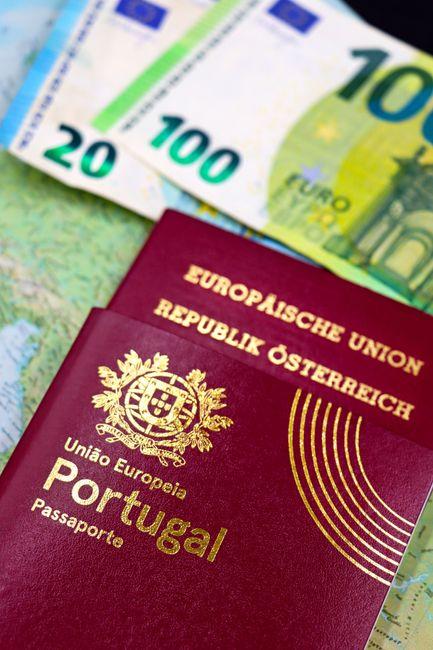
Balancing Risk and Reward in Investment Citizenship Programs
- The allure of investment citizenship often revolves around promises of seamless travel, lucrative business opportunities, and a safety net amid geopolitical uncertainties. Take, for example, a family from South Asia eyeing a Caribbean program with a five-year residency requirement, only to discover upon arrival that local infrastructure and healthcare services fall short of expectations. The initial optimism-sparked by glossy brochures and success stories-soon collides with the reality of day-to-day living, underscoring how vital it is to assess beyond the headline perks. Opportunity seekers must deeply scrutinize each program’s political stability, documentation timelines, and post-citizenship obligations, lest they find themselves strapped with a passport that opens doors unevenly or binds them to unforeseen taxes and residency duties.
- Consider the investor from Europe who took a gamble on a European Union citizenship-by-investment scheme, enticed by the promise of unrestricted work and travel across 27 countries. However, months into the process, they faced bureaucratic delays and legal scrutiny over source-of-funds verification, which stretched their timelines and added unanticipated costs. This tension between expectation and reality highlights the delicate balance between risk and reward. Planning well in advance, consulting local legal experts, and building financial buffers can turn these challenges into manageable risks rather than deal-breakers. Viewed through a pragmatic lens, investment citizenship programs serve not merely as passports but as complex contracts demanding informed decisions-where the right knowledge often tips the scale toward lasting benefit.
Voices from the Field Insightful Experiences and Unexpected Setbacks
- The story of Marina, a tech entrepreneur from Eastern Europe, illustrates the complex reality behind investment citizenship programs. Initially, Marina viewed the option as a fast track to expanding her company’s footprint in the EU. The process seemed straightforward: contribute to a government fund, secure her passport, and unlock new markets. However, her expectations were tempered by delays in processing times and unforeseen bureaucratic hurdles that stretched the timeline by over a year. Beyond administrative setbacks, Marina grappled with the challenge of integrating into a community where her new citizenship was viewed by some locals as purely transactional. This situation underscored the importance of not only navigating legal frameworks but also managing cultural dimensions, revealing a lesson in patience and long-term relationship-building that numbers alone can’t quantify.
- Contrast this with James, a retired financier from Canada, whose experience highlights different variables at play. His goal was a peaceful retirement in the Mediterranean, facilitated by an investment citizenship route promising visa-free travel and tax advantages. While the program delivered on paperwork and official benefits, James was taken aback by the less tangible realities: fluctuating political climates and evolving residency requirements that affected his sense of stability. His case exemplifies the vital need for thorough due diligence and ongoing monitoring of policy shifts-not just at the point of investment but throughout the life of one’s new citizenship. These real-world insights paint a nuanced picture: investment citizenship can open doors but also demands a readiness to adapt, endure uncertainty, and critically, to evaluate beyond surface-level promises.
Spotlight on Diverse Approaches Comparing Policies and Outcomes
- St. Kitts and Nevis offers one of the oldest and most straightforward citizenship-by-investment programs. For decades, investors appreciated its simplicity: a clear donation route or real estate option with a predictable timeline of about six months. Yet, despite this streamlined process, many applicants later faced unexpected tax implications when returning to their home countries, revealing a critical decision point often overlooked during initial inquiries. The lesson here underscores the importance of holistic due diligence-not just evaluating program speed or cost, but understanding the interplay between new citizenship and existing legal frameworks.
- Portugal’s Golden Visa contrasts sharply with smaller island nations. Instead of direct citizenship, it provides a residency pathway that can lead to citizenship after five years. While its higher investment threshold and longer wait might deter those seeking instant change, applicants often find that this measured approach yields deeper integration, including access to the EU’s broader economic and social networks. However, some investors hoping for quick returns have had to recalibrate their expectations after engaging with Portugal’s stringent residency requirements and evolving government audits, illustrating that patience and compliance are just as crucial as capital.
| Country/Program | Investment Type | Processing Time | Key Consideration |
|---|---|---|---|
| St. Kitts & Nevis | Donation / Real Estate | ~6 Months | Tax impact in home country often underestimated |
| Portugal Golden Visa | Real Estate / Business | 5+ Years (to citizenship) | Strict residency; integration requirements |
Charting a Responsible Path Forward for Investors and Nations
- The dilemma of due diligence: Consider Sophia, an entrepreneur who sought citizenship in a Caribbean nation through investment, attracted by promises of seamless global mobility and business incentives. Initially, the process seemed straightforward, but post-citizenship, she encountered unexpected bureaucratic hurdles and limited political rights that contradicted her expectations. Her story underscores the vital lesson that not all programs deliver equal value-thorough research and legal counsel are indispensable to avoid costly missteps.
- National interests vs. global scrutiny: In recent years, countries like Malta and Cyprus have faced international pushback on their citizenship-by-investment schemes, prompting regulatory tightening. These shifts illuminate the balance nations must strike between economic gains and reputational risks. For investors, this means recognizing that regulatory climates can shift quickly, potentially affecting their status and assets. The takeaway here is a call for transparency and accountability on both sides-investors need clarity on evolving legal frameworks, while states must enforce robust safeguards.
| Decision Point | Expectations | Reality / Lessons Learned |
|---|---|---|
| Choosing a citizenship program | Smooth, quick process with lasting benefits | Process complexities and changing policy can diminish initial benefits |
| Compliance and transparency | Minimal scrutiny and rapid approval | Increased international oversight demands greater transparency |
| Long-term status | Stable rights and privileges unaffected by external pressures | Political shifts or sanctions can impact status and benefits |
In Retrospect
As the world becomes increasingly interconnected, the allure of investment citizenship continues to captivate individuals seeking new horizons. Yet, beneath the gleaming promises lie complexities that demand careful navigation-legal intricacies, ethical debates, and evolving geopolitical landscapes all shape the journey beyond borders. In embracing the opportunities and acknowledging the challenges, investors and policymakers alike must strive for transparency, responsibility, and foresight. Only then can investment citizenship fulfill its potential as a bridge to global mobility, economic growth, and cultural exchange, rather than a gateway to unintended consequences. The path forward is neither simple nor certain, but it is undeniably one worth exploring with both eyes open.




