
In a world that markets itself as increasingly borderless, the allure of holding more than one passport has transcended mere convenience. Dual nationality, often celebrated for easing travel or expanding cultural horizons, harbors a deeper, strategic dimension that quietly shapes personal freedom, global mobility, and geopolitical influence. Beneath the surface of what seems like a simple administrative status lies a complex interplay of legal privileges, economic opportunities, and identity negotiations-a hidden power play that speaks volumes about how modern citizenship is evolving. This article delves into why carrying two flags is far more than a passport stamp collection; it is a gateway to an intricate game of advantage in an interconnected world.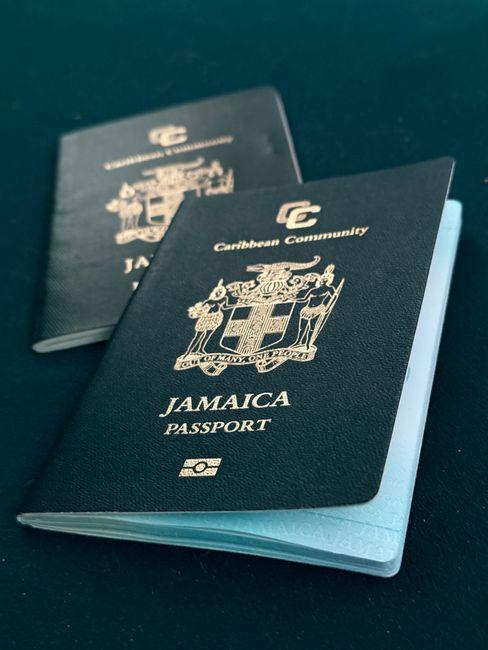
The Untold Risks Behind Balancing Two National Identities
Balancing two national identities is often romanticized as a seamless fusion of cultures and opportunities, yet beneath the surface lies a complex web of psychological and legal tensions. The challenge is not merely logistical but deeply existential. Dual nationals frequently confront a tacit demand for allegiance that can breed internal conflict and external scrutiny. For instance, loyalty is rarely seen as binary; instead, dual citizens often navigate an uncomfortable spectrum where favoring one side risks alienating the other. This struggle can be magnified during geopolitical crises, where dual nationals may face suspicion, discrimination, or even legal contradictions that challenge the assumption that holding two passports is purely advantageous.
Moreover, the practical trade-offs of juggling two national identities extend into often overlooked bureaucratic and financial territories. Compliance with divergent tax systems, military obligations, and civic duties can be onerous and, at times, legally precarious. To illustrate:
| Aspect | Potential Risk/Complication | Nuanced Advice |
|---|---|---|
| Taxation | Double taxation or complex filing requirements | Consult cross-border tax professionals to optimize liabilities, never assume automatic treaties apply |
| Military Service | Mandatory conscription conflicting in both countries | Research obligations early; explore legal exemptions or deferments proactively |
| Political Rights | Restrictions on voting or public office eligibility | Understand nuanced local laws; dual nationality can lead to disenfranchisement in some regions |
These complications underscore that dual nationality is less a passport to effortless global mobility and more a strategic tightrope walk demanding sustained vigilance, informed decisions, and sometimes difficult compromises. Those holding two flags must exercise a nuanced understanding of their rights and responsibilities-challenging the overly simplistic narrative of dual citizenship as an unalloyed boon.
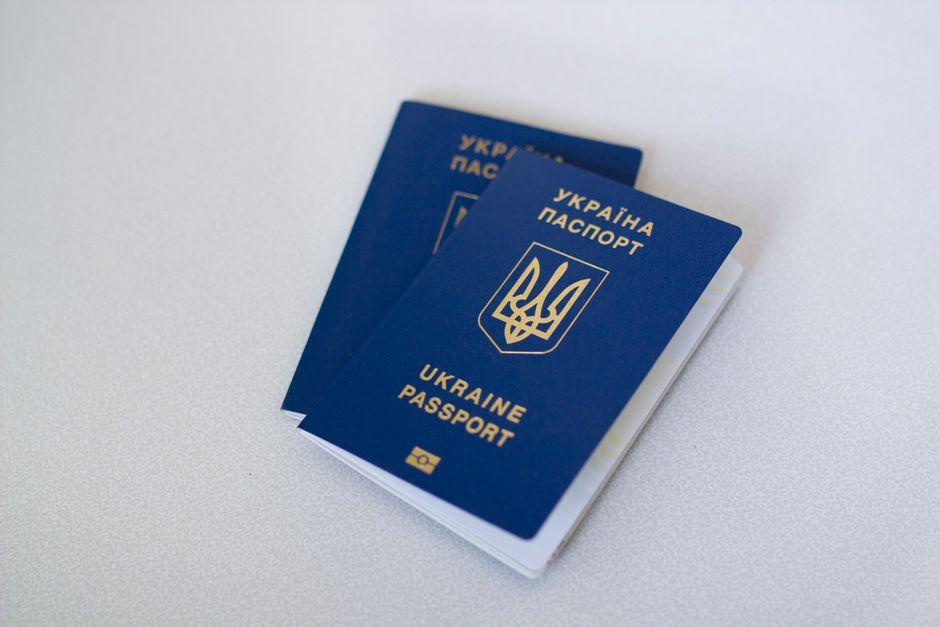
Beyond Borders Convenience The Strategic Game of Dual Citizenship
Dual citizenship is often celebrated for its surface-level convenience-seamless travel, access to multiple job markets, and an expanded social safety net. However, reducing this status to mere ease of movement or bureaucratic leverage glosses over a far more complex strategic calculus. In reality, dual citizenship is a nuanced tool of geopolitical chess, affording holders not just freedom of choice, but also the ability to hedge against economic instability, political unrest, or restrictive immigration policies. Yet, this power comes tethered with inherent trade-offs: conflicting legal obligations, potential tax complexities, and sometimes the unintended perception of divided loyalties that can complicate professional and personal relationships. One must weigh whether the tangible benefits – such as voting rights, property ownership, or access to education – genuinely materialize or remain theoretical advantages in a globalized world where policies can shift abruptly.
Rather than adopting a simplistic “more passports, more power” mindset, consider the quality and context of the citizenships involved. For instance, holding dual citizenship between two economically stable yet culturally and politically aligned nations can amplify benefits with minimal friction. Conversely, pairing a citizenship from a liberal democracy with one from a country experiencing geopolitical tensions or authoritarian tendencies demands careful navigation of legal systems and personal risks. Here’s a brief comparison to elucidate the strategic dimensions:
| Aspect | Aligned Democracies | Divergent Political Systems |
|---|---|---|
| Legal Complexity | Low; consistent rule of law | High; conflicting laws and obligations |
| Economic Opportunity | Stable job markets, mutual recognition | Variable; risk of sanctions or restrictions |
| Social Perception | Generally positive or neutral | Potential suspicion or mistrust |
- Recommendation: Evaluate dual citizenship beyond convenience by analyzing long-term political stability and cultural congruence.
- Trade-off to watch: Increased global mobility versus the complexity of maintaining dual allegiance under shifting international pressures.
When Dual Nationality Backfires Facing the Legal and Social Pitfalls
Dual nationality often masquerades as a seamless ticket to global mobility and enriched identity, but beneath this allure lies a complex web of legal contradictions and societal expectations that can foul even the most carefully planned life. The intersection of two legal systems does not guarantee protection; instead, it frequently births conflicting obligations-taxation being the most notorious. For instance, U.S. citizens must file tax returns regardless of residence, a mandate that can escalate into punitive double taxation or force the sale of overseas assets under duress. Furthermore, obligations such as mandatory military service can trap dual nationals in ethical and administrative limbo, where refusal risks losing a nationality or legal penalties. This illustrates a harsh reality: dual citizenship is less about freedom and more about navigating a minefield where every step demands acute legal awareness and strategic compromise.
Socially, the assumption that dual nationality universally garners acceptance is a dangerous oversimplification. Instead, it can provoke suspicion and alienation, especially in nations with strong nationalist sentiments or geopolitical tensions involving one of the countries concerned. Consider the subtle yet potent identity conflicts faced by dual nationals, who are often seen as perpetual outsiders in both countries-expected to prove unwavering loyalty while balancing contrasting cultural norms. This divided allegiance can stunt social integration and professional advancement, a price often underplayed in celebratory narratives of dual citizenship. In practical terms, managing these social dynamics requires more than a clever resume; it demands emotional intelligence and situational flexibility, factors that must weigh heavily against the ostensible convenience of holding two passports.
Reassessing the Allure of Multiple Passports Smarter Paths to Global Mobility
While the romanticized narrative around multiple passports often centers on uninhibited travel and unfettered access to global opportunities, this overlooks the intricate reality that holding more than one nationality is rarely a straightforward upgrade. Dual or multiple passports can, indeed, unlock powerful geopolitical and economic doors, but the trade-offs-legal complexities, tax obligations, and even civic duties-demand strategic foresight rather than impulsive enthusiasm. For instance, not all passports offer equal global reach; having a secondary passport from a less globally connected country might complicate travel more than simplify it. The discernment lies in choosing quality over quantity-prioritizing passports that strategically complement each other in terms of visa-free access, consular protection, and economic benefits rather than accumulating multiple citizenships indiscriminately.
Moreover, the glossy portrayal of “borderless living” can obscure the nuanced legal landscapes and evolving international relations that continuously reshape what dual nationality means in practice. Rather than viewing multiple passports as a silver bullet, savvy global citizens leverage them as part of a broader, dynamic mobility toolkit-one that incorporates tax planning, residency rights, and geopolitical stability. A selective approach might look like this:
- High-quality passport + strategic residency: Secure one passport with broad visa-free access and supplement it with residency or work permits in regions of personal or professional interest.
- Tax jurisdiction alignment: Factor in fiscal obligations tied to both nationalities to avoid costly surprises.
- Geopolitical risk hedging: Opt for citizenships that diversify geopolitical exposure rather than consolidate risk in volatile regions.
| Passport Attribute | Considerations | Strategic Recommendation |
|---|---|---|
| Visa-Free Access | Range varies significantly worldwide | Prioritize passports that open doors to primary travel or business destinations |
| Tax Implications | Dual tax residency can increase filing complexity | Consult tax experts before acquiring second citizenship |
| Political Stability | Changing diplomatic relations influence mobility rights | Diversify citizenships to mitigate geopolitical risks |
Navigating Loyalties and Limitations The Complex Reality of Holding Two Flags
Owning dual passports often conjures an image of seamless freedom-access to continents, multiple voting rights, and flexible work opportunities. Yet, this overlooks the complex tug-of-war between competing national allegiances and legal obligations. Navigating dual nationality demands more than a checklist of perks; it requires a strategic appreciation of when citizenship becomes a legal and social liability. States expect loyalty that can conflict sharply, especially in geopolitical tensions or military conscriptions. Holding two flags isn’t a guarantee of choice; it’s a balance of privileges that sometimes force difficult self-positioning, such as choosing which passport to use upon entry or exit, or managing tax liabilities under conflicting international laws. Simplistic views on “having it all” neglect these nuanced challenges and often downplay the hidden compromises-like inconsistent rights to social services or vulnerability to diplomatic disputes-that dual nationals must maneuver.
Smart dual nationality management hinges on discerning where each passport’s strength truly lies, rather than chasing an illusory all-encompassing convenience. Consider this comparative insight:
| Factor | Passport A (Developed Country) | Passport B (Developing Country) |
|---|---|---|
| Visa-free Travel | Extensive global access | Limited, region-specific |
| Taxation | Strict global reporting, high compliance | Less stringent, potential loopholes |
| Military Service | Rarely enforced or optional | Mandatory, with legal consequences |
In light of these trade-offs, the recommendation is to critically evaluate the end goals of dual citizenship-whether it’s mobility, economic advantage, or cultural connection-and then align usage accordingly. Blindly maximizing access without legal foresight or emotional clarity can turn the dual flag into a battleground rather than a beacon. The true power of holding two passports lies not in accumulation, but in intelligent navigation, nuanced prioritizing, and the readiness to embody complex identities without naively expecting carte blanche freedom.
Key Takeaways
In the intricate dance of global identity, dual nationality emerges not merely as a convenient passport stamp, but as a subtle power play-an unspoken advantage woven into the fabric of modern citizenship. Beyond the ease of travel or the comfort of cultural connection, holding two flags can open doors to economic opportunities, political influence, and a deeper sense of belonging that transcends borders. As the world grows ever more interconnected, understanding the true weight behind dual nationality invites us to reconsider what it means to belong, to engage, and ultimately, to wield influence in ways both seen and unseen. In embracing this hidden power, we unlock a new dimension of global citizenship-one that challenges the traditional limits of nationhood and redefines the possibilities of identity itself.




