
Imagine holding a key that opens not one, but two doors to the world-offering you a passport to double the opportunities, connections, and identities. This is the promise and paradox of dual citizenship. In an increasingly interconnected globe, more individuals are embracing the unique status of being recognized as a citizen by two countries simultaneously. But what exactly does it mean to hold two passports? Beyond the allure of expanded travel freedom and cultural ties, dual citizenship comes with its own complex web of legal responsibilities and potential complications. In this article, we delve into the concept of dual citizenship, exploring the benefits it brings and the challenges it demands, helping you understand what it really means to live between two nations.
Navigating the Basics of Dual Citizenship
Dual citizenship, also known as dual nationality, refers to the legal status wherein an individual is recognized as a citizen by two different countries simultaneously. This means holding two valid passports and enjoying rights and responsibilities in both nations. Typically, people acquire dual citizenship through birth in a country different from their parents’ nationality, marriage, naturalization, or descent. While dual citizenship provides tangible benefits such as easier international travel, expanded work and residency options, and eligibility for social services in both countries, it also comes with specific legal and tax obligations. Understanding how each country treats dual citizenship is crucial, as laws vary widely-some nations allow it freely, while others demand exclusive allegiance or impose restrictions.
To navigate dual citizenship effectively, consider the following factors:
- Legal Requirements: Ensure you meet the citizenship criteria, which can include residency periods, language proficiency, or cultural knowledge exams.
- Tax Implications: Holding citizenship in two countries might mean filing taxes in both, depending on bilateral agreements.
- Military Service: Some countries require mandatory service that may apply to dual nationals.
- Rights and Restrictions: Voting rights, property ownership, or government jobs may have specific rules for dual citizens.
| Aspect | Common Benefits | Typical Challenges |
|---|---|---|
| Travel | Access to two passports; fewer visa requirements | Conflicting entry/exit rules |
| Legal Protection | Consular support from both countries | Complex legal jurisdiction issues |
| Taxes | Ability to leverage tax treaties | Double taxation risks without agreements |
| Civic Duties | Participation in elections in both countries | Obligations such as military service |
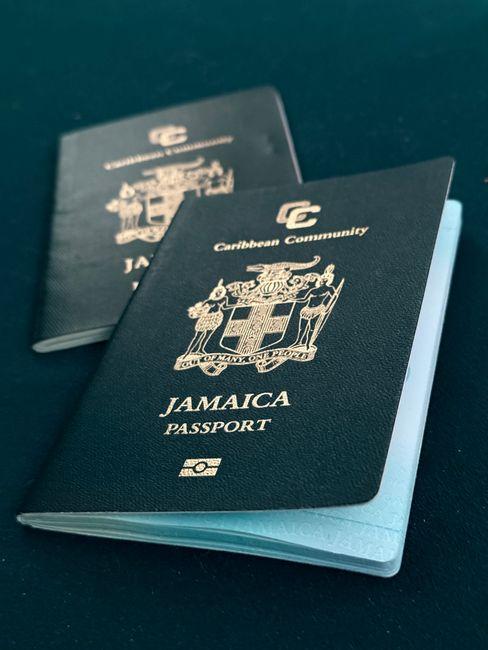
Exploring the Advantages of Holding Two Passports
Holding two passports through dual citizenship offers a range of practical advantages that appeal to individuals seeking greater global mobility, economic opportunities, and personal security. One of the most significant benefits is enhanced travel freedom. Dual citizens can often enter more countries without requiring a visa or can apply for visas more easily, thanks to the travel agreements their additional passport holder countries maintain. This reduces the hassle and cost associated with international travel, making business trips, family visits, or leisure travel considerably smoother. Additionally, holding two passports can provide backup options in case of political unrest or emergencies in one country, allowing you to seek protection or relocate with fewer obstacles.
Beyond travel, dual citizenship opens up broader economic and social opportunities. It can give you the right to work, study, and own property in two countries without the need for special permits, expanding both career prospects and access to educational resources. Dual citizens also benefit from potential tax advantages and social services available in both countries, although this area can be complex and requires consulting with a tax professional. Another often-overlooked advantage includes the ability to participate in political processes in two nations, such as voting or running for public office, depending on each country’s laws. However, it’s essential to weigh these benefits against legal obligations, as some countries may require dual citizens to fulfill duties like military service or file taxes in both jurisdictions.
- Visa-free travel: Access to more countries without a visa.
- Work and study rights: Eligibility for employment and education.
- Property ownership: Permission to buy and manage real estate.
- Political participation: Voting rights and representation.
- Safety net: Alternative citizenship in times of crisis.
| Advantage | Description |
|---|---|
| Travel Flexibility | Reduced visa restrictions and faster immigration processes. |
| Economic Opportunities | Access to jobs, business, and investments in both countries. |
| Education Access | Eligibility for local tuition rates and scholarships. |
| Political Rights | Ability to vote or engage in civic duties in multiple countries. |
Potential Complications and Legal Hurdles to Consider
- Taxation complexities: One of the primary complications of dual citizenship is navigating the tax obligations in both countries. Dual citizens may be required to file taxes in both jurisdictions, which can lead to double taxation unless there are treaties in place. Understanding each country’s tax laws, including income reporting and foreign asset declarations, is crucial to avoid unexpected liabilities.
- Military service and legal responsibilities: Some countries mandate military service for their citizens. Holding dual citizenship might obligate you to fulfill conscription requirements in one or both countries, depending on their laws. Additionally, legal differences such as mandatory jury duty or civil obligations can vary, potentially leading to conflicting responsibilities.
- Restrictions on government employment: Many nations impose restrictions or disqualifications for certain government or security-related jobs for dual citizens due to loyalty concerns. This limitation can affect career options if you intend to work within public service sectors.
| Legal Hurdle | Description | Recommended Action |
|---|---|---|
| Loss of Citizenship | Some countries revoke citizenship if you voluntarily acquire another nationality. | Verify nationality laws before applying for second citizenship to avoid unintentional loss. |
| Travel Restrictions | Dual citizens may face visa complications or entry denials depending on the passport used. | Carry both passports and understand entry requirements for each country. |
| Conflicting Laws | Different legal systems may impose contradictory laws on dual nationals. | Consult legal experts familiar with the laws of both countries. |
How Dual Citizenship Stacks Up Against Single Nationality
Dual citizenship offers distinct advantages over holding a single nationality, primarily by granting individuals legal rights and privileges in two countries simultaneously. Unlike single nationality, which ties you solely to one government’s laws, taxation, and social benefits, dual citizenship can significantly broaden your access to international travel, work, and residency opportunities. For example, dual citizens typically enjoy:
- Visa-free or simplified entry to more countries
- The ability to live, study, or work legally in either country without additional permits
- Protection under two governments, offering greater security in times of political unrest or emergency
- Access to multiple healthcare, education, and social welfare systems
On the other hand, single nationality often means a more straightforward legal framework, fewer bureaucratic hurdles, and simplified tax obligations. For those weighing the benefits, it’s important to consider that dual citizenship can sometimes come with complexities such as double taxation risks, compulsory military service in one country, or conflicting legal duties. However, these challenges are often manageable with professional advice and proper planning. The key distinctions can be summarized below:
| Aspect | Dual Citizenship | Single Nationality |
|---|---|---|
| Travel flexibility | Access to more visa-free countries | Limited to passport of one country |
| Legal obligations | Potential for dual taxation and dual legal responsibilities | Single set of legal duties and taxes |
| Residency & work rights | Automatic rights in two countries | Rights tied only to one country |
| Complexity | Requires careful management of laws and obligations | Simpler governance and requirements |
Choosing Dual Citizenship Wisely What to Keep in Mind
When considering dual citizenship, it’s essential to weigh both the advantages and potential pitfalls to make an informed decision. Understanding the legal requirements and responsibilities associated with holding two passports is a primary step. Some countries may require military service, tax declarations, or restrict dual citizenship altogether, which can complicate your status. Additionally, dual citizens should be aware that laws regarding travel, voting, and property ownership can vary widely, and maintaining compliance in both countries often demands careful attention. Evaluating your personal and professional goals-such as ease of travel, business opportunities, or family ties-will help clarify if the benefits of dual citizenship outweigh the challenges in your unique situation.
It’s also wise to consider the long-term implications before applying for or accepting dual citizenship. For example, diplomatic protection might be limited when traveling to one country as a citizen of another, and conflicting obligations like taxation can lead to unexpected financial burdens. To facilitate comparison, the following table highlights some common pros and cons to keep in mind:
| Advantages | Potential Challenges |
|---|---|
| Multiple travel and work options | Double taxation or complex tax filing |
| Access to social services in both countries | Possible mandatory military service |
| Expanded cultural and educational opportunities | Legal obligations and dual loyalty concerns |
- Research country-specific laws to avoid surprises post-application.
- Consult legal or immigration experts to understand your rights and responsibilities fully.
- Assess personal priorities such as career flexibility, family connectivity, and financial impact.
Key Takeaways
In the ever-connected world we live in, dual citizenship offers a unique passport to broaden horizons, blending cultures, opportunities, and legal rights across borders. Yet, as with any journey that spans two distinct paths, it comes with its own set of complexities and responsibilities. Understanding both the advantages and the challenges of holding two passports helps navigate this dual identity with clarity and confidence. Whether driven by heritage, career, or personal freedom, dual citizenship stands as a modern emblem of global belonging-inviting us to embrace the world, but also to tread thoughtfully within it.




