In a world where borders blur and opportunities beckon across continents, investment citizenship has emerged as both a beacon of hope and a labyrinth of complexities. “From Dreams to Doorways: Navigating the Complex Journey of Investment Citizenship Countries” invites you to explore the intricate pathways that transform aspirations into tangible passports. Beyond the allure of second citizenship lies a multifaceted process-one that weaves through legal frameworks, financial commitments, and cultural landscapes. This journey is as much about understanding the fine print as it is about embracing new beginnings, revealing the delicate balance between opportunity and obligation in a globalized era.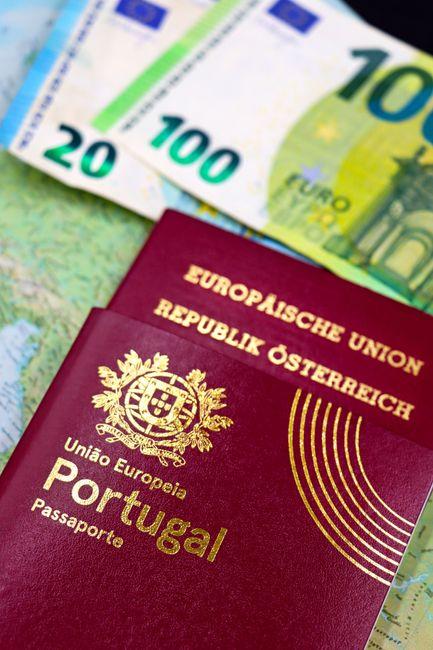
When Aspirations Meet Reality Exploring Personal Motivations Behind Investment Citizenship
When individuals embark on the journey of investment citizenship, the motivations behind their decisions often reveal a profound mixture of personal dreams and practical realities. Take, for example, Ana, a tech entrepreneur from Brazil, whose primary goal was securing global mobility for her family. The allure of an EU passport represented not just travel freedom but access to education and healthcare systems she dreamed her children could benefit from. However, her initial optimism met challenges she hadn’t fully anticipated-the time-consuming due diligence processes, the opaque legal requirements, and the emotional strain of separating from familiar surroundings. Ana’s story underscores a common lesson: the aspiration for a “new life” abroad requires marrying idealism with the granular reality of paperwork, regulations, and waiting periods.
Contrast this with David, a retired executive from Canada, who viewed investment citizenship largely as a tool for financial diversification rather than lifestyle change. His expectations centered around the efficiency of the program and the security of his assets. Yet, David soon encountered fluctuating local real estate markets and shifting government policies that tested his initial assumptions of a straightforward, risk-free process. Through these experiences, he learned to value flexibility over speed-adjusting his portfolio, consulting multiple local experts, and recalibrating his timeline. These stories highlight that personal motivations are rarely singular or fixed; they evolve through decision points where early optimism is tempered by practical hurdles, ultimately shaping more resilient and informed choices.
- Aspiration: Seamless global mobility and family opportunity
- Reality: Complex, lengthy application processes that demand patience
- Aspiration: Quick, secure financial diversification
- Reality: Market volatility and regulatory unpredictability require adaptability
| Motivation | Example Individual | Initial Expectation | Key Insight |
|---|---|---|---|
| Family & Lifestyle | Ana (Tech Entrepreneur) | Fast track to education and healthcare access | Patience and thorough preparation essential |
| Financial Security | David (Retired Executive) | Efficient investment and low risk | Need for flexibility amid changing markets |

Unpacking the Legal Maze Understanding the Regulatory Complexities of Each Destination
When John first set out to secure investment citizenship, he imagined a straightforward process: identify a country, make his investment, and within months, enjoy a new passport. Yet, what he encountered was more akin to navigating a dense legal labyrinth. Each destination has its own unique regulatory framework shaped by local politics, economic goals, and global relationships. For instance, while St. Kitts and Nevis offers a relatively streamlined citizenship-by-investment pathway, other countries like Malta require elaborate due diligence, proof of sustained investment, and residency obligations that initially took John by surprise. This highlighted a crucial lesson-expectation rarely matches the regulatory reality. Understanding not only the stated requirements but also the tacit bureaucratic nuances demands patience, local expertise, and preparedness for shifting policies.
Consider the choice between Caribbean nations and European programs: the ease of entry versus the depth of legal scrutiny differs dramatically. Countries in the Caribbean might offer faster processing times but often come with strict investment thresholds and ongoing compliance requirements that are easy to overlook. In contrast, European programs frequently involve multifaceted regulations-such as minimum physical residence, economic contributions to specific sectors, or language proficiency-that demand substantial time and resources. Here are some critical factors investors like John learned to weigh:
- Governmental stability and policy transparency: Fluctuations can impact timelines and eligibility.
- Compliance and reporting obligations: Post-citizenship responsibilities often extend beyond the initial investment.
- Legal counsel and local representation: Essential for decoding fine print and avoiding costly missteps.
| Jurisdiction | Minimum Investment | Key Regulatory Challenge | Processing Time |
|---|---|---|---|
| Dominica | $100,000 donation or $200,000 real estate | Intense background checks and source of funds verification | 3-4 months |
| Malta | €650,000 contribution + real estate investment | Residency and citizenship granted post extensive vetting | 12-18 months |
| Cyprus | €2 million real estate investment | Frequent changes in legislation removed program in 2020 | N/A (program suspended) |
Turning Points in Due Diligence Learning from Success Stories and Missteps Abroad
Turning points in due diligence often emerge from the tension between expectation and reality, as seasoned investors and newcomers alike have found. Take, for instance, a European entrepreneur who pursued citizenship through investment in a Caribbean nation, enticed by promises of swift processing and a stable legal environment. Initial enthusiasm darkened when unexpected bureaucratic delays and opaque background checks surfaced. The entrepreneur’s early choice to rely primarily on promotional brochures without engaging local legal expertise became a costly lesson. Meanwhile, in contrast, a family from the Middle East approached the same program with rigorous due diligence: partnering with vetted agents, performing detailed background checks on local government officials, and securing verifiable references. Their patience paid off, leading to a smooth application and quicker-than-average approval, underscoring that due diligence isn’t merely paperwork, but active, informed engagement at every step.
These stories highlight key inflection points where decisions redefined success or failure, reminding investors that learning from precedents abroad transcends mere rule-following. For example, some countries have tightened due diligence after high-profile scandals, turning what once was a simple health check into a multi-layered vetting process involving international cooperation. Others, by contrast, show how lax due diligence can lead to revocation of citizenship and asset freezes, devastating individuals who assumed their investment passports were irrevocable. The practical takeaway? Approach each country’s program as a unique ecosystem, reflected in this comparison of due diligence approaches:
| Due Diligence Aspect | Best Practice | Common Pitfall |
|---|---|---|
| Verification of Background | Engage multiple independent agencies, cross-border checks | Relying only on self-reported or promotional material |
| Local Legal Counsel | Consult experienced lawyers familiar with citizenship laws | Using generic advisory services with no local presence |
| Financial Transparency | Provide full disclosure and audited documents | Partial disclosure or unclear source of funds |
In navigating these turning points, the difference between a seamless transition and a prolonged ordeal often boils down to one’s commitment to deep, ongoing due diligence rather than cursory checks-transforming investment citizenship from a leap of faith into a calculated, strategic journey.
Balancing Opportunity and Responsibility Weighing Ethical and Financial Considerations
- Opportunity vs. Obligation: Take the case of Maria, a successful entrepreneur from Brazil, who pursued citizenship-by-investment (CBI) to expand her business and provide her family broader mobility. Initially enchanted by the promise of fast-tracked passports and tax advantages, she soon confronted the less glamorous aspects: rigorous due diligence processes and stiff compliance requirements that extended beyond the transaction. Maria’s experience highlights a common crossroads: while CBI programs open doors, they demand ongoing transparency and legal adherence, which can be more burdensome than first anticipated. Her decision to continue investing in reputable programs underscored a critical lesson-balancing the allure of geographical freedom with the weight of ethical responsibility is non-negotiable to safeguard personal and program integrity.
- Financial Implications Beyond the Price Tag: Consider John, who chose a Caribbean CBI program due to the relatively low initial investment threshold. Though attracted by the modest cost, he later realized that ancillary expenses-such as government fees, real estate maintenance, and the need for legal counsel-often doubled the total outlay. His journey revealed a common disparity between upfront costs and long-term financial commitments, challenging the assumption that citizenship-by-investment is a quick, low-risk financial transaction. John’s story serves as a cautionary reminder: thorough due diligence means assessing hidden costs and considering the broader economic impact, including the ethical dimension of supporting programs that contribute to sustainable economic development rather than just transactional citizenship sales.
| Decision Point | Expectation | Reality/Lesson |
|---|---|---|
| Choosing a Program | Fast, simple citizenship process | Requires detailed vetting and ongoing compliance |
| Evaluating Cost | One-time investment fee | Additional fees and ongoing financial obligations |
| Ethical Considerations | Investor benefits outweigh concerns | Reputationally sensitive; responsible participation matters |
Navigating New Beginnings Integrating Into Life Beyond the Passport
- Case in point: When Maria, originally from Brazil, relocated to Portugal through its Golden Visa program, she anticipated a seamless transition. Yet integrating meant more than just having a new passport; it required adapting to cultural nuances, learning a new language, and navigating a different healthcare system. The initial excitement of EU access soon gave way to practical challenges-setting up local bank accounts, enrolling her children in schools, and even understanding property laws. Maria’s experience underscores that successful integration demands patience and a proactive mindset, rather than viewing citizenship as an endpoint.
- Contrast this with Ahmed, who acquired citizenship in the Caribbean not purely for lifestyle but as a business strategy. His approach emphasized networking within the local community and leveraging dual residency possibilities to split time between countries. While he initially underestimated the bureaucratic steps involved in tax compliance and business licensing, the lessons learned have made his integration smoother over time. Both stories highlight crucial decision points where expectations meet reality, revealing that investment citizenship often opens doors to new beginnings-but it’s what happens beyond those doorways that defines the journey.
| Expectation | Reality | Lesson Learned |
|---|---|---|
| Instant access to local services | Time-consuming registration and documentation processes | Plan ahead and seek local guidance early |
| Seamless cultural adaptation | Initial language barriers and social isolation | Invest in language and cultural immersion |
| Immediate financial and tax benefits | Complex regulatory and tax compliance requirements | Engage with specialized advisors to navigate regulations |
Insights and Conclusions
As the sun sets on the intricate landscape of investment citizenship, one truth remains clear: the journey from dreams to doorways is as individual as the travelers themselves. Navigating this path requires more than just capital-it demands insight, patience, and a keen understanding of evolving global tides. Whether seeking new horizons or strategic footholds, investors must weigh hopes against realities, balancing ambition with due diligence. Ultimately, transforming aspirations into tangible passports is less a sprint and more an artful voyage through a world where opportunity and complexity entwine. In embracing this process, we find not just new citizenships, but the chance to redefine what home and belonging truly mean.