
In an increasingly interconnected world, the concept of nationality is evolving beyond the traditional borders stamped on passports. Multi-nationality-holding citizenship in more than one country-is no longer a rarity but a phenomenon shaping identities, opportunities, and legal landscapes. Understanding what it means to be multi-national, the advantages it brings, and how to navigate the complex rights and responsibilities involved has become essential for many. This article explores the multifaceted nature of multi-nationality, offering clarity and guidance for those who find themselves citizens of multiple worlds.
Exploring the Layers of Multi-Nationality and What It Truly Entails
Multi-nationality, often interchangeably referred to as dual or multiple citizenship, involves holding legal citizenship status in two or more countries simultaneously. This status goes beyond simply having cultural ties or residency abroad; it grants individuals official recognition and rights from each nation involved. These rights usually include the ability to vote, work, own property, and receive government services in each country. However, the layers of multi-nationality extend further into complex legal and bureaucratic realms where citizenship laws differ significantly across borders. For instance, some countries permit unrestricted multiple citizenships, while others require renunciation of prior allegiances before granting a new nationality. Understanding these legal nuances is crucial-not only to enjoy the benefits but also to avoid unintended consequences like double taxation, military conscription, or loss of social benefits.
Exploring the benefits and challenges of multi-nationality reveals why it’s more than a mere legal status. Among the advantages are enhanced global mobility, expanded employment opportunities, access to diverse social and healthcare systems, and cultural enrichment through immersion in different societies. Conversely, multi-nationality can complicate tax obligations, diplomatic protection, and even travel logistics, as some nations impose stricter visa requirements or may not recognize multiple passports equally. For those considering or already holding multiple nationalities, practical recommendations include:
- Fully researching each country’s citizenship laws to comprehend obligations like taxes, military service, or national loyalty.
- Keeping documentation up to date for all passports and citizenship proofs to avoid legal pitfalls when crossing borders.
- Consulting immigration or tax experts to navigate complex international requirements and ensure compliance.
- Weighing the personal and professional impacts of multi-nationality on family rights, inheritance, and long-term residence plans.
| Aspect | Multi-Nationality Benefit | Potential Challenge |
|---|---|---|
| Legal Status | Multiple legal protections and civic participation rights | Conflict in case of contradictory laws or obligations |
| Travel | Freedom to enter many countries visa-free | Some countries restrict use of passports from certain nations |
| Taxes | Opportunity to optimize tax obligations globally | Risk of double taxation without proper planning |
By grasping these multi-layered aspects, individuals can strategically navigate their rights and responsibilities, ensuring multi-nationality remains a powerful asset instead of a burden.
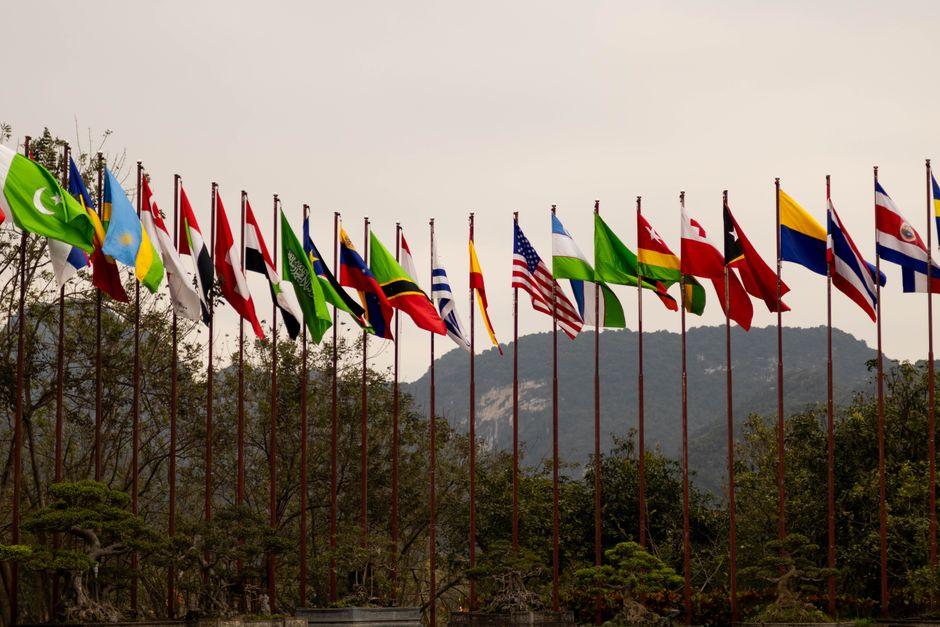
Unlocking the Advantages and Challenges of Holding Multiple Nationalities
Holding multiple nationalities, also known as dual or multiple citizenship, provides individuals with unique advantages and complex challenges that affect various aspects of their personal and professional lives. On the positive side, it grants greater global mobility, allowing holders to travel, live, work, and study across different countries with fewer visa restrictions. This can be particularly advantageous for career opportunities, expanding business networks, or accessing social benefits such as healthcare, education, and voting rights in more than one country. Additionally, multiple nationalities often offer enhanced security and contingency options in times of political instability or economic downturns, providing an important safety net for individuals and their families.
However, the benefits come with important considerations and potential drawbacks. One common challenge is legal complexity, as dual nationals must navigate varying laws on taxation, military service obligations, and inheritance rules in multiple jurisdictions. For example:
| Aspect | Potential Issue | Recommendation |
|---|---|---|
| Taxation | Obligation to file taxes or pay dues in multiple countries | Consult a tax professional with expertise in international law |
| Military Service | Mandatory conscription in one or more countries | Understand country-specific exemptions or deferral options |
| Legal Conflicts | Conflicting rights and duties under different national laws | Stay informed through legal counsel and official embassy resources |
- Political and passport restrictions: Some countries restrict political activities or impose travel bans on dual nationals.
- Loss of nationality risk: Acquiring a new citizenship might risk forfeiting an existing one, depending on the countries involved.
Navigating these challenges requires a proactive approach: regularly reviewing the laws of each country involved, keeping documentation updated, and seeking specific guidance when planning international moves or significant life events. By understanding the full scope of rights and responsibilities, individuals can maximize the benefits of multi-nationality while avoiding pitfalls that could complicate their legal and personal standing.
Legal Rights and Responsibilities When You Belong to More Than One Country
When you hold citizenship in more than one country, your legal rights and responsibilities can become complex but also offer unique advantages. Each country may expect you to fulfill specific duties such as paying taxes, serving in the military, or obeying local laws regardless of where you physically reside. For example, dual nationals must often file tax returns in both countries, though tax treaties can sometimes prevent double taxation. Additionally, you might access public services, social benefits, and voting rights in multiple nations, but it’s crucial to understand that responsibilities like jury duty or national service could also apply in more than one jurisdiction.
To navigate these overlapping obligations effectively, consider the following:
- Research each country’s citizenship laws: Understand how your rights differ-such as the eligibility to hold public office or inherit property.
- Stay informed on tax treaties and reporting requirements: This can save you from legal issues and financial penalties.
- Be aware of travel restrictions and consular protection: Some nations may restrict dual nationals from entering with certain passports or complicate diplomatic assistance.
- Consult legal experts specializing in multi-nationality: Professional advice ensures compliance and maximizes your benefits.
| Aspect | Potential Challenges | Key Considerations |
|---|---|---|
| Tax Obligations | Double taxation & complex filings | Understand treaties & deadlines |
| Military Service | Mandatory service in more than one country | Check exemption rules & alternative service |
| Legal Jurisdictions | Conflicting laws and legal claims | Seek legal advice in both countries |
| Consular Protection | Limited diplomatic help if traveling on other passport | Use the passport of the country you are in |
How to Choose and Manage Your National Identities with Confidence
Choosing and managing national identities requires a strategic approach grounded in understanding your legal status and personal goals. Start by clearly defining what each nationality represents in your life-consider rights like travel freedoms, work opportunities, tax obligations, and social benefits. It’s crucial to evaluate whether holding multiple citizenships may affect responsibilities such as military service or legal requirements in any country involved. Keep in mind that some nations allow dual or multiple citizenships without restrictions, while others may require renunciation upon acquiring a new nationality. To navigate this complex landscape confidently, maintain updated records of your nationality documents and stay informed about changes in citizenship laws in your countries of affiliation.
Effective management also means balancing identity with practicality. Many multi-national individuals weigh the perks of enhanced global mobility and cultural connection against potential complications like conflicting tax systems or administrative burdens. To streamline this, consider these key practices:
- Regularly review legal obligations linked to each nationality, including tax declarations and residency requirements.
- Consult immigration or legal experts when planning to acquire or relinquish citizenship, especially if your countries have strict policies.
- Use personalized checklists for documentation, visa validity, and deadlines related to each identity.
- Stay culturally engaged to strengthen the personal significance of your multiple identities beyond their legal aspects.
| Nationality Aspect | Considerations | Recommended Action |
|---|---|---|
| Travel Freedom | Passport strength varies | Use the passport with higher visa-free access |
| Taxation | Dual obligations possible | Hire a tax advisor specializing in multi-national cases |
| Cultural Identity | Emotional connection and rights | Engage in cultural events and communities |
Clearing Up Common Misconceptions About Multi-National Citizenship
Multi-national citizenship is often misunderstood, leading to confusion about legal status and rights. A common misconception is that holding multiple citizenships means you can freely pick and choose which country’s laws to follow, but in reality, each country applies its own laws independently. For example, taxation obligations or military service duties might apply simultaneously, depending on where you reside or work. It’s also important to clarify that multi-national citizenship isn’t synonymous with dual nationality alone; it can involve three or more countries, each with distinct rules about citizenship acquisition and retention. While some countries allow dual or multiple citizenships, others strictly prohibit it, potentially causing unintended loss of citizenship if not navigated carefully.
Another frequent misunderstanding relates to the practical benefits and challenges of being a multi-national citizen. Many believe it automatically grants unrestricted travel and work rights abroad-while access to multiple passports can ease visa restrictions, it doesn’t guarantee employment or residency rights without proper visas or permits. Additionally, managing multiple citizenships can have administrative complexities, such as renewing passports on different schedules or juggling varying tax declarations. To leverage the advantages effectively, it’s recommended to:
- Understand each country’s citizenship and tax laws thoroughly
- Seek professional legal advice when considering new citizenships
- Stay informed on how political changes may affect multinationals’ rights
For clarity, here is a quick comparison of key citizenship aspects across multiple countries:
| Aspect | Country A | Country B | Country C |
|---|---|---|---|
| Allows Multiple Citizenship | Yes | No | Yes, with conditions |
| Taxation on Global Income | Yes | No | Depends on residency |
| Mandatory Military Service | No | Yes | No |
The Conclusion
In a world that grows ever more connected, understanding multi-nationality is not just a curiosity, but a key to unlocking a richer, more versatile identity. It offers a unique blend of opportunities and challenges-a passport to diverse cultures, rights, and responsibilities. By navigating this complex landscape with awareness and care, you can embrace the benefits it brings while safeguarding your rights. Whether you hold multiple citizenships or are simply exploring the concept, recognizing what multi-nationality truly means empowers you to step confidently into a global future where borders blur and possibilities abound.




