
In an era where borders blur and the world grows ever more interconnected, the value of a passport transcends mere travel convenience. The Commonwealth of Dominica passport, often overshadowed by its more prominent counterparts, quietly reshapes notions of citizenship and global mobility. This unassuming Caribbean document offers a strategic edge-combining ease of access, economic pragmatism, and a gateway to international opportunity-that traditional citizenship models struggle to match. As globalization accelerates, understanding why the Dominica passport outsmarts conventional citizenship becomes essential for those seeking to navigate a complex, borderless world with agility and foresight.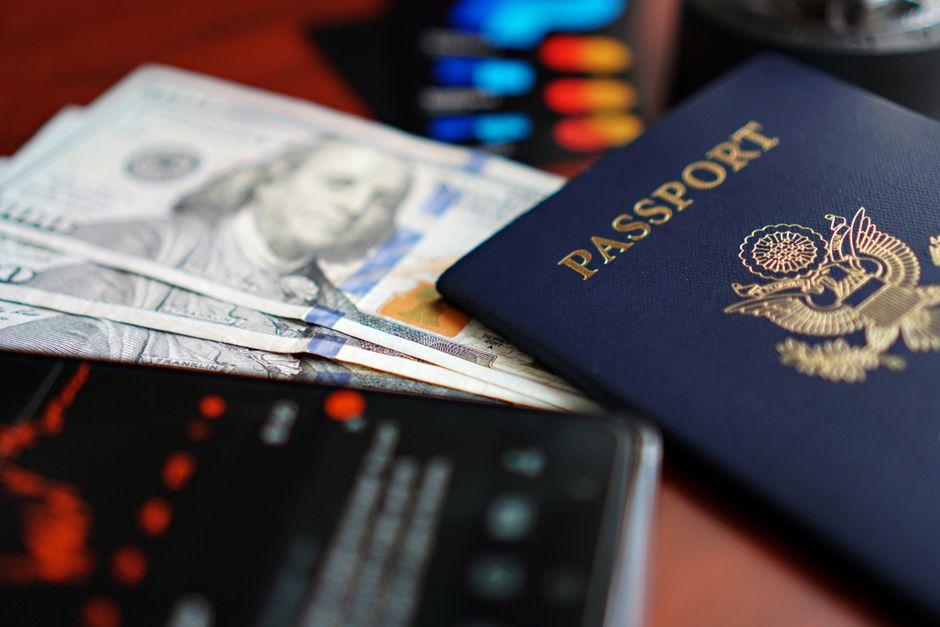
Rethinking Mobility Benefits Beyond the Surface of a Dominica Passport
When evaluating the mobility advantages of a Dominica passport, it’s crucial to move past the surface-level metrics of visa-free access counts. Yes, Dominica offers entry to over 140 countries without a prior visa, a figure comparable to many traditional passports. However, the strength lies not just in quantity but in the quality of mobility it provides. Unlike passports that grant broad but often restrictive access, Dominica’s passport opens doors to strategic regions-particularly favorable for emergent markets and financial hubs in the Caribbean, Asia, and parts of Europe. This selective access aligns with a pragmatic, investment-first approach to global mobility, tailored for individuals who prioritize access to growth-oriented economies rather than simply ticking off visa waiver lists. In this sense, the Dominica passport challenges the common assumption that bigger is always better when it comes to travel freedom.
Trade-offs do exist, of course. The Dominica passport may not grant seamless entry into some heavyweight jurisdictions like the United States or Canada without additional procedures. But this limitation is offset by the program’s affordability, streamlined citizenship-by-investment process, and absence of residency requirements-advantages that traditional citizenship cannot match as efficiently. For globally mobile entrepreneurs and digital nomads, the passport’s real yield is its integration into a lifestyle where freedom is measured by ease of entry, administrative simplicity, and multi-jurisdictional presence, rather than sheer visa count. Thus, a nuanced recommendation would be to assess mobility benefits not just through the passport’s raw access power but through how it complements your unique global strategy: whether it’s business expansion, tax optimization, or lifestyle flexibility.
| Criteria | Dominica Passport | Typical Traditional Passport |
|---|---|---|
| Visa-Free Countries | ~140 (strategic emerging markets focus) | 140-190 (broader but less targeted) |
| Application Speed | ~3-4 months | Varies widely, often longer |
| Residency Requirement | None | Typically mandatory |
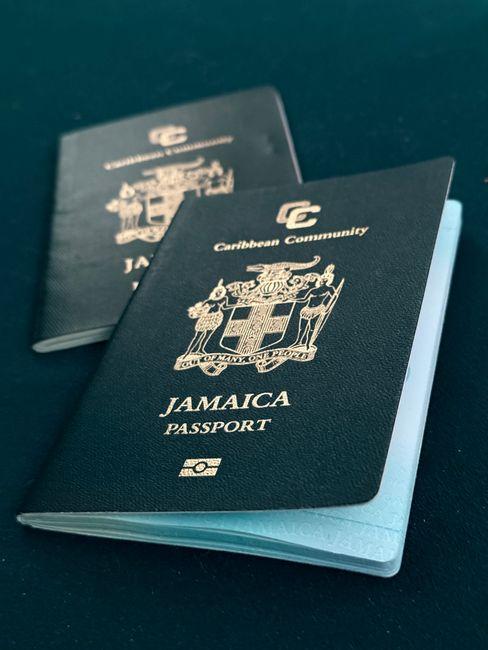
Navigating the Subtle Challenges Behind Citizenship by Investment in Dominica
Citizenship by Investment (CBI) in Dominica offers undeniable advantages but also harbors nuanced challenges that savvy investors must critically assess. The program’s appeal-speed, relatively low investment threshold, and visa-free travel-is often overshadowed by persistent concerns surrounding regulatory transparency and due diligence rigor. Unlike some jurisdictions that rigorously publish detailed investor vetting statistics, Dominica’s approach can seem opaque, potentially elevating risk profiles. This is not a rejection of the program’s legitimacy but a call for discerning applicants to engage legal and financial advisors who demand granular clarity on due diligence standards. Furthermore, the trade-off between quick processing times and thorough screening demands a sophisticated balancing act; rushing through either could backfire, compromising both the integrity of the program and the long-term utility of the citizenship.
Additionally, the choice between Dominica’s primary investment routes-real estate versus government bonds-introduces further complexity often glossed over. While real estate promises a tangible asset, it is subject to market volatility and liquidity constraints, which some investors underestimate. Bonds, on the other hand, offer a more passive, liquid form of commitment but tie up capital over a fixed term without asset backing. A smart investor evaluates this against their personal financial horizon and risk appetite rather than defaulting to conventional wisdom. Consider the following distinctions:
| Aspect | Real Estate Investment | Government Bond Investment |
|---|---|---|
| Minimum Investment | USD 200,000 (plus fees) | USD 100,000 (non-refundable) |
| Liquidity | Moderate (depends on market conditions) | Low (locked for 5 years) |
| Potential Returns | Variable; possible appreciation | None (non-interest-bearing) |
| Risk Profile | Market-dependent | Low, but capital locked |
| Program Perception | Preferred by investors seeking tangible assets | Viewed as straightforward but less flexible |
- Recommendation: Align investment choice with long-term financial strategy, not just citizenship goals.
- Consideration: Factor in local market trends and geopolitical stability before committing.
- Warning: Beware the assumption that lower investment equates to better value.
When Fast-Track Passports Meet Complex Geopolitics: A Reality Check
Fast-track passports, like the Commonwealth of Dominica’s Citizenship by Investment (CBI) program, often attract savvy global citizens eager to bypass the sluggish bureaucracy typical of traditional naturalization. However, the allure of speed and convenience must be carefully weighed against the geopolitical realities that shape the passport’s practical value. Unlike popular belief, not all fast-tracked passports guarantee unfettered global mobility, especially when shifting international relations render visa-free travel agreements volatile. The Dominica passport excels in offering visa-free access to over 140 countries, but its true strength lies in striking a delicate balance between expediency and strategic geopolitical positioning – a nuance often overlooked in favor of sheer speed.
Understanding the trade-offs is crucial: while Dominica’s passport opens doors in the European Union’s Schengen Area and Commonwealth nations, recent global tensions could alter visa policies unpredictably. Unlike traditional citizenships, which tend to offer deep-rooted diplomatic protections and socio-political integration, investor visas demand continuous economic compliance and may carry renewal uncertainties. Below is a concise comparison to clarify the strategic decision for aspirants:
| Aspect | Dominica Fast-Track Passport | Traditional Citizenship |
|---|---|---|
| Processing Time | 3-6 months | Several years |
| Visa-Free Access | 140+ countries (includes Schengen) | Varies, often broader but depended on country |
| Geopolitical Stability | Moderate; dependent on status renewals and global shifts | High; stronger diplomatic protections |
| Socio-Political Integration | Minimal to none | Extensive, with rights/responsibilities |
- Trade-off Insight: Fast-track passports emphasize transactional value but lack the embedded security traditional citizenships offer amid geopolitical uncertainties.
- Strategic Recommendation: Those seeking rapid mobility must maintain vigilance over global political developments and view Dominica’s passport as a flexible, but not absolute, solution.
Dominica Passport Versus Legacy Citizenship Systems A Strategic Comparison
When critically comparing the Dominica passport with legacy citizenship systems rooted in birthplace or descent, the strategic advantage becomes evident through flexibility and modern economic alignment. Traditional citizenship models often come tethered to rigid frameworks-with lengthy residency requirements, stringent bureaucratic hurdles, and little regard for an individual’s evolving global mobility needs. In contrast, Dominica’s Citizenship by Investment (CBI) program strategically leverages the growing demand for seamless international access, offering a passport that opens doors in over 140 countries without the cumbersome ties of permanent residence or complex origin criteria. This renders Dominica’s passport not merely a travel document but a pragmatic asset tailored for the hyper-connected, opportunity-driven era, unlike legacy systems that often impose passive allegiance rather than active utility.
However, this advantage is not without nuanced trade-offs. Legacy citizenship frequently carries socio-cultural embeddedness and political rights that some may deem non-negotiable-rights that Dominica’s CBI passports do not inherently guarantee if residency or naturalization paths are not pursued. Additionally, the economic investment requirement introduces an upfront barrier absent in many traditional systems where citizenship is an automatic right. Yet, the broader value proposition of Dominica’s passport lies in its deliberate decoupling from geographical determinism and its proactive embrace of globalization’s demands. For investors and global citizens aiming for agility and diversification, the Dominica passport offers a more strategic citizenship model by prioritizing economic participation and global access over inherited nationality conventions. Ultimately, discerning individuals should weigh their priorities between rooted civic identity and maximized mobility, recognizing that the Dominica passport reframes citizenship as a dynamic, strategic tool rather than a static birthright.
| Aspect | Dominica Passport | Legacy Citizenship |
|---|---|---|
| Acquisition | Investment-based, expedited process | Birthright or long-term residency |
| Global Mobility | Visa-free access to 140+ countries | Variable, often limited by country |
| Political & Civic Rights | Limited without residency | Full rights tied to citizenship |
| Requirements | Financial commitment | Residency and lineage |
Exploring the Economic and Ethical Dimensions of Global Citizenship Choices
Global citizenship, once a lofty ideal, now wrestles with tangible economic and ethical complexities that shape its real-world viability. Opting for the Commonwealth of Dominica passport is not merely a transactional choice but a strategic recalibration of one’s global footprint-one that challenges the monopolistic hold of traditional, often rigid citizenships. Economically, Dominica’s citizenship-by-investment program offers a cost-efficient alternative, but this must be weighed against longer-term value propositions such as tax efficiencies, visa-free access to over 140 countries, and the flexibility to restructure personal and business affairs without the often cumbersome obligations tied to major powers’ citizenships. In other words, while cost savings are immediate, the principal economic advantage lies in unlocking a diversified portfolio of geopolitical mobility-essential for entrepreneurs, remote workers, and global investors looking beyond the stagnation trapped in their birth countries’ citizenship regimes.
Yet the ethical dimension is where the nuanced debate intensifies, as global citizenship choices often evoke concerns about fairness, national loyalty, and socio-political consequences. Advocates of traditional citizenship caution against commodifying nationality, raising the specter of “passport shopping” as a form of privilege exploitation. However, this perspective undervalues the evolving nature of identity and sovereignty in a globalized era. For many, especially those hailing from politically unstable or economically restrictive nations, Dominica’s passport represents not ethical compromise but pragmatic agency-a means to circumvent systemic inequities. Rather than seeing citizenship as a zero-sum loyalty, we must embrace it as a multifaceted tool that can promote economic inclusion and global equity if governed with transparency and genuine intent. Ultimately, discerning global citizens should prioritize options like Dominica’s that blend economic prudence with social responsibility, while carefully vetting programs to avoid those that risk perpetuating inequality under the guise of freedom.
In Summary
In a world where borders blur and opportunities span continents, the Commonwealth of Dominica passport emerges not just as a travel document, but as a strategic key to global mobility, financial freedom, and cultural connection. Far from traditional notions of citizenship tethered solely to birthplace or heritage, it offers a forward-thinking alternative-one that embraces the realities of our interconnected age. As we navigate an increasingly complex global landscape, Dominica’s approach to citizenship reminds us that adaptability and foresight are the true passports to success. In choosing this path, individuals are not just claiming a nationality-they’re securing a future where possibility knows no bounds.




