
In an age defined by global connectivity and fluid borders, the concept of identity has evolved into a richly layered narrative. For millions, holding dual citizenship is not merely a legal status but a delicate balancing act-an intricate dance between two cultures, two sets of laws, and two senses of belonging. “Between Two Worlds: Navigating the Complex Journey of Dual Citizenship” invites readers to explore this multifaceted experience. It delves into the personal triumphs and challenges, the freedoms and obligations, and the unique opportunities that come with living life straddling different nations. As borders blur and allegiances intertwine, understanding the realities behind dual citizenship becomes a vital conversation in our increasingly interconnected world.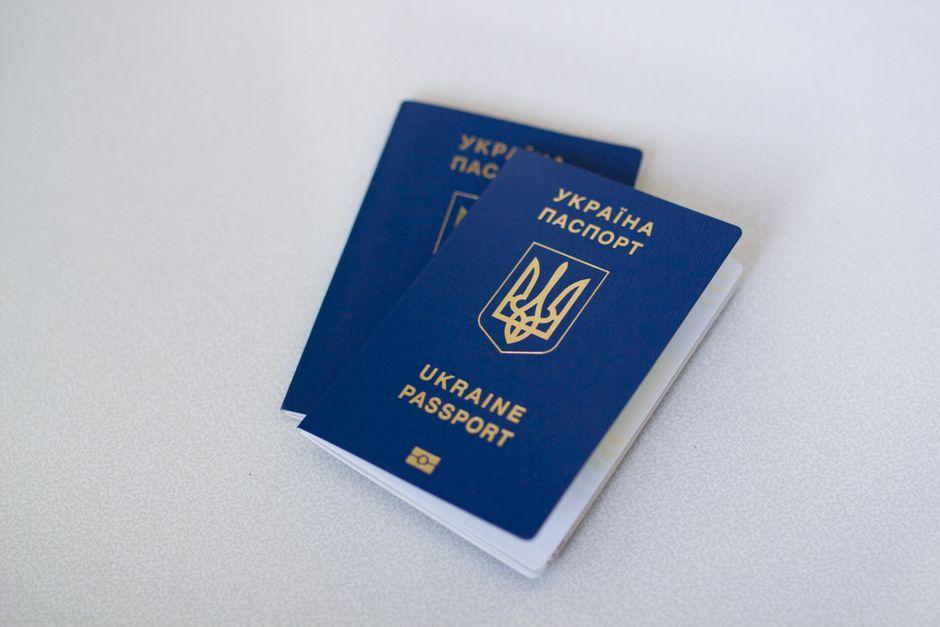
Crossing Borders Within: Personal Stories of Living Dual National Lives
Maria’s story is one many dual citizens know well: born in Salvador, Brazil, she moved to the United States as a teenager and eventually gained American citizenship. Initially, Maria imagined life in the U.S. would offer her the stability and opportunities her family sought. Yet, the reality was nuanced. She found herself constantly “crossing borders within”-not just geographically, but culturally. At family gatherings, the Brazilian warmth and vibrant traditions clashed with the more reserved American etiquette she practiced daily at work. Moments like choosing which country’s holidays to celebrate or deciding where to retire became deeply personal decisions fraught with emotional weight. Maria learned that dual citizenship was less a passport perk and more a balancing act-a daily negotiation of identity and belonging.
Consider Daniel, who holds citizenship in Germany and Canada, and faced a decision many dual citizens confront: military service requirements. Germany’s recent policy changes mandated an alternative civilian service option, which Daniel opted for, while Canada, his country of residence, posed no such obligation. His choice triggered an intense period of reflection about his responsibilities to each nation. Meanwhile, Daniel also encountered the logistical side of dual citizenship-the tax implications, renewing passports on alternating schedules, and explaining his unique status to employers unfamiliar with the concept. Here’s a quick glance at the contrasts he navigated:
| Aspect | Expectations | Reality |
|---|---|---|
| Military Service | Optional or non-existent for him | Mandatory alternative civilian service in Germany |
| Tax Obligations | Simple annual tax filing | Complex double taxation agreements to consider |
| Identity | Seamless cultural integration | Continuous cultural negotiation and redefinition |
- Lesson: Dual citizenship requires more than legal documentation; it demands an ongoing personal dialogue about rights, duties, and identity.
- Decision moments: When to renew passports, which country’s social norms to embrace, and how to respond when national loyalties are questioned.
- Reality check: Dual citizens often straddle worlds-not fully one, not fully the other-and that tension can be both enriching and challenging.

The Legal Labyrinth of Rights and Responsibilities in Two Countries
Imagine Ana, originally from Brazil, who recently acquired Italian citizenship through her ancestry. On paper, holding two passports sounds like a door to endless opportunities. However, Ana soon realized the legal maze she had stepped into when buying property in Italy while still being a tax resident in Brazil. While she assumed her dual citizenship would simplify financial matters, she was confronted with complex tax obligations in both countries, each with its own set of rules, deadlines, and paperwork. Ana’s predicament highlights a common challenge for dual citizens: the risk of overlapping responsibilities, such as income reporting, military service eligibility, or even voting requirements, that can differ drastically between nations. These complexities force individuals to become not only culturally bilingual but also legally literate, often requiring expert consultation to avoid unintentional violations or penalties.
Consider also Omar, a Canadian-Egyptian dual citizen who faced a surprising twist when applying for a business permit in Egypt. Despite holding Egyptian nationality, local authorities insisted on paperwork often reserved for first-time applicants, questioning Omar’s residency and tax status. This contrast between expectation and reality underscores a broader lesson: dual citizenship does not always equate to seamless navigation within each country’s legal framework. It’s a nuanced balance of rights and duties shaped by:
- Residency status: Physical presence can dictate tax liabilities, military service, and social security contributions.
- National laws: Some countries recognize dual citizenship fully; others impose restrictions or conditional obligations.
- International agreements: Bilateral treaties can alleviate conflicts but are not universal.
| Aspect | Country A | Country B |
|---|---|---|
| Military Service | Mandatory under age 30 | Voluntary but recommended |
| Tax Filing | Based on residency | Based on global income |
| Voting Rights | Automatic | Requires registration |
These contrasts can turn routine decisions into critical crossroads-each choice with possible legal consequences. Ultimately, dual citizens must navigate this labyrinth with patience and diligence, often learning the hard way that citizenship is not just a status, but an ongoing negotiation of rights and responsibilities that transcends borders.
When Identity Pulls in Opposite Directions: Emotional Conflicts Explored
Imagine Sofia, born in Brazil but raised in Germany, who faces a pull that feels less like a gentle tug and more like a tug-of-war. At family gatherings, she’s expected to embrace the vibrant, expressive culture of her Brazilian roots, sharing stories peppered with laughter and passion. Yet at work, the understated, precise German demeanor is the currency of professionalism. Her identity isn’t just a blend; it’s often a battleground where the warmth of one world feels out of place in the formality of the other. This internal conflict becomes especially vivid during decision points-should she celebrate Carnival with exuberance or adhere to the reserved spirit of Oktoberfest reunions? For many dual citizens like Sofia, these moments reveal the emotional labor of navigating two contrasting cultural expectations simultaneously.
The emotional tension doesn’t end with social settings. Legal obligations and personal values sometimes clash, deepening the sense of being “between.” Consider Amir, holding dual citizenship in Canada and Iran. He finds pride in belonging to both places, but when geopolitical events arise, his allegiances pull him in conflicting directions. Should he speak out on political issues affecting one country, risking alienation in the other? Here, the lessons are less about choosing sides and more about cultivating resilience and self-awareness. Understanding that emotional conflict isn’t a failure of identity but a natural part of dual citizenship helps navigate these rocky waters with grace. Below is a simple outline of the common emotional conflicts many face, demonstrating the nuanced balancing act that dual citizens perform daily:
- Cultural Expectations vs. Personal Comfort: Striving to meet the norms of both cultures while seeking authentic self-expression.
- Legal and Civic Obligations: Managing responsibilities like taxes or military service that may conflict or overlap.
- Social Identity vs. External Perceptions: Feeling at home in both communities but often viewed as an outsider by each.
| Expectation | Reality |
|---|---|
| Seamlessly belong to both cultures | Frequent internal conflict and feeling “too much” or “too little” for each |
| Uncomplicated sense of loyalty | Complex multilayered loyalty shaped by context and evolving perspectives |
| Dual citizenship simplifies legal matters | Often complicates them due to contradictory laws or obligations |
Moments of Clarity from Unexpected Challenges on the Dual Citizenship Path
When Maria first began her dual citizenship application between Spain and the United States, she expected bureaucracy and lengthy waits-typical hurdles she had mentally prepared for. What she didn’t foresee were the small cultural nuances embedded in each step. For example, a seemingly straightforward document like a birth certificate required different certifications depending on which consulate she submitted it to. This led to frustrating delays, forcing her to reassess how much she understood about the process. In one instance, a quick call to a consulate official revealed an overlooked apostille requirement-something Maria had never encountered in her home country’s procedures. It was a sharp reminder that crossing borders often means navigating not only legal systems but also the subtle expectations that come with them.
In moments like these, the contrast between expectation and reality became stark. Maria initially imagined dual citizenship as a straightforward checklist: gather papers, fill forms, wait, and receive approval. Instead, the journey resembled a complex puzzle of demands, personal perseverance, and patience. She learned that flexibility was just as vital as preparation. For instance, when her original identification documents were rejected for minor discrepancies, she turned this setback into a productive encounter with local support groups-people who had walked the path before her. From them, she gained insights that no official guide could provide. Her story highlights the importance of valuing informal knowledge alongside formal regulations, because sometimes the most useful moments of clarity come from unexpected challenges, not official instructions.
| Challenge | Expectation | Reality/Lesson |
|---|---|---|
| Document requirements | Standardized checklist | Different consulates demand varying certifications |
| Form rejections due to minor errors | Simple resubmission | Opportunity to connect with experienced community members |
| Understanding procedural nuances | All information available officially | Informal advice often fills gaps in bureaucratic clarity |
Lessons Learned from Balancing Opportunities and Obligations Abroad
Maria, a dual citizen of Italy and Canada, once found herself at a crossroads when faced with the obligation to serve in Italy’s mandatory military reserve duty-an unexpected responsibility that contrasted sharply with her Canadian life, where such duties were voluntary. Initially viewing this as a bureaucratic annoyance, she soon realized that ignoring it could jeopardize her ability to travel freely within Europe. Balancing this obligation taught her the importance of proactive engagement and seeking tailored advice; what looked like a rigid system actually offered deferments and accommodations once she navigated the right channels. Her experience highlights a key lesson for dual citizens: obligations abroad often come with hidden flexibilities, but only if you understand the nuances. Just as opportunities like employment or education abroad seem straightforward, these responsibilities require deliberate attention-each country’s rules vary widely, and assuming that citizenship solely confers benefits can lead to unexpected challenges.
Contrast this with Jamal, who found that his dual citizenship opened doors in the Middle East but complicated his tax filings across three countries. The initial excitement of accessing new markets and networks quickly faded when he faced overlapping tax regulations and double taxation risks. He navigated these complex waters by investing in specialized legal and tax advice, which not only reduced his liabilities but also clarified long-term plans for residency and investment. His story serves as a practical reminder that balancing opportunities and obligations is an ongoing process, not a one-time checklist. Staying adaptable and informed is crucial as expectations often meet the realities of international law, financial regulations, and civic duties-an intricate dance that demands patience and smart planning.
- Stay aware: Different countries have different rules even for the same citizenship-related issues.
- Seek expert guidance: Legal and tax advice tailored to your specific situation can prevent costly mistakes.
- Maintain flexibility: Opportunities and obligations may evolve; staying informed helps you pivot successfully.
Concluding Remarks
In the delicate balance of living between two worlds, dual citizenship is more than a legal status-it is a continuous journey of identity, opportunity, and challenge. Navigating this complex path requires not only paperwork and policies but a thoughtful embrace of the cultural, emotional, and practical landscapes that come with it. As the world grows ever more interconnected, the experience of holding multiple citizenships will only deepen in complexity and richness, inviting each individual to define anew what it means to belong to more than one place at once. Ultimately, dual citizenship is a testament to the evolving notion of identity in a global age-fluid, multifaceted, and endlessly dynamic.




