
In an increasingly interconnected world, the concept of identity goes beyond the borders of a single nation. Double nationality, or dual citizenship, has become a fascinating and often complex reality for many individuals who find themselves tied to more than one country. But what does it truly mean to hold two passports? Beyond the legal definitions and paperwork, dual citizenship offers a unique blend of opportunities and challenges that can profoundly affect personal freedom, mobility, and allegiance. This article unravels the intricate tapestry of double nationality-exploring what it entails, the benefits it can bring, and practical guidance on navigating the sometimes intricate laws that govern dual citizenship around the globe. Whether you are considering acquiring another nationality or simply curious about this modern phenomenon, read on to uncover the nuances behind holding two homes in the eyes of the law.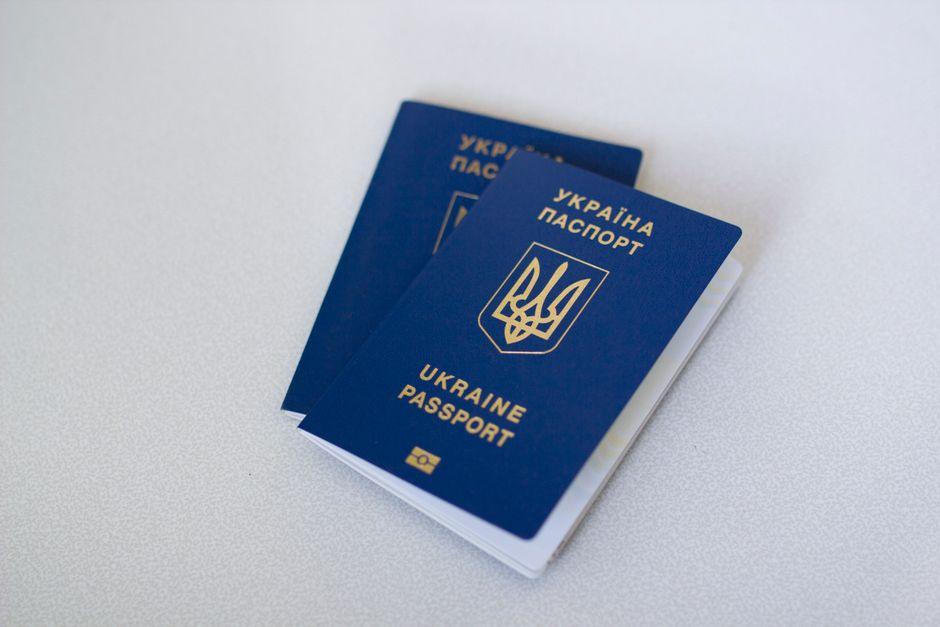
Understanding Dual Citizenship and the Rights It Confers
Dual citizenship, also known as dual nationality, occurs when an individual is legally recognized as a citizen by two different countries simultaneously. This status grants the person rights and responsibilities in both nations, allowing them to hold two passports, participate in elections, work, reside, or even inherit property across borders. However, the scope of these rights varies widely depending on the laws of each country involved. For instance, some countries fully embrace dual nationals, offering them unrestricted access to social services, education, and protection abroad, while others impose limitations such as mandatory military service or restrict political positions for dual citizens. Understanding these variances is crucial to navigating the legal landscape and fully leveraging the benefits without encountering legal pitfalls.
From a practical standpoint, dual citizenship offers tangible advantages but also comes with challenges. Here is a snapshot comparing common benefits and potential complications:
| Benefits | Potential Challenges |
|---|---|
| Broader travel freedoms with multiple passports | Dual tax obligations in certain jurisdictions |
| Access to social benefits and education in both countries | Military service requirements in one or both countries |
| Right to work and live freely across borders | Potential conflicts of allegiance and political restrictions |
| Ability to own property or inherit assets internationally | Complex legal procedures to maintain or renounce citizenship |
For those considering dual citizenship, it’s advisable to consult official government sources or legal experts in both countries to understand specific rights, duties, and how dual status may affect personal circumstances such as taxation, military service, and political participation. Carefully weighing these factors can help individuals make informed decisions that maximize the advantages while mitigating drawbacks inherent to holding two nationalities.

Advantages and Challenges of Holding Two Nationalities
Advantages of Holding Two Nationalities often center around enhanced personal freedom, expanded legal rights, and greater access to resources. Dual citizenship allows individuals to live, work, and study freely in both countries, bypassing visa requirements and restrictions. This status frequently provides access to social benefits such as healthcare, education, and retirement pensions from both nations. Additionally, holders often enjoy the right to vote and participate politically in two democratic systems. Business opportunities also expand, as dual nationals can establish enterprises or invest with fewer barriers across borders. For families, it simplifies traveling and maintaining connections, providing children with eligibility for citizenship by descent. Practical financial benefits may include access to different banking systems and tax treaties, although these need careful navigation to avoid double taxation.
However, Challenges of Dual Citizenship demand careful consideration and planning. One major concern is the potential for conflicting legal obligations, such as compulsory military service or differing criminal laws. Dual nationals might face complex tax obligations, requiring compliance with multiple systems simultaneously. Not all countries recognize or permit dual citizenship, leading to risk of losing one citizenship automatically or facing bureaucratic hurdles. Moreover, political tensions between the two countries can affect a dual citizen’s rights and protections. In some cases, passport use rules differ, and travelers must be mindful which passport to use entering or leaving each country. It’s often recommended to consult with legal experts to understand the nuances of both nations’ policies and to maintain clear documentation to avoid pitfalls. Below is a simplified comparison of common pros and cons:
| Advantages | Challenges |
|---|---|
| Unrestricted residence & employment rights | Dual tax filing and compliance |
| Access to social services & education | Potential military service obligations |
| Political participation in two countries | Conflicting legal responsibilities |
| Ease of international travel | Risk of citizenship revocation |
How Different Countries Approach Dual Citizenship Laws
Dual citizenship laws vary significantly around the world, reflecting each nation’s priorities regarding identity, security, and legal obligations. Some countries, like Canada and Brazil, adopt a permissive stance, allowing individuals to retain multiple nationalities without renouncing their original citizenship. This flexibility often benefits immigrants, expatriates, and global professionals by providing broader rights, such as easier travel, work permissions, and access to social services in both countries. In contrast, nations like China and India generally prohibit dual citizenship, requiring individuals to choose one nationality upon naturalization or when contacting government authorities. These restrictions are frequently motivated by concerns over loyalty, legal conflicts, and tax implications.
When navigating dual citizenship laws, it’s essential to understand key differences that could affect your rights and responsibilities. For example, some countries allow dual citizens to hold passports from both nations but enforce compulsory military service or taxation that could complicate your status. Countries like Germany and Japan offer limited dual citizenship options, usually only in cases involving children born to parents of different nationalities or special hardship exceptions. Below is a simplified comparison of common approaches among select countries:
| Country | Dual Citizenship Allowed? | Special Conditions |
|---|---|---|
| Canada | Yes | Permits multiple citizenships without renouncing other |
| Germany | Limited | Allowed mainly for EU citizens or children, with restrictions |
| India | No | Requires renunciation of previous citizenship on naturalization |
| United States | Yes | Permits dual citizenship but expects allegiance to the U.S. |
| Japan | Limited | Dual citizenship allowed until age 22; must choose one thereafter |
- Recommendations: Always consult the immigration or consular authorities of both countries to fully understand your obligations.
- Legal Advice: For complex cases, professional legal advice can help navigate conflicts over taxation, military duties, or political rights.
- Documentation: Maintain up-to-date passports and legal status documents to avoid complications during international travel.
Common Misunderstandings About Being a Dual National
One widespread misunderstanding about dual nationality is that it automatically provides all rights and privileges of both countries without any complications. In reality, while dual citizens can enjoy many benefits such as voting rights, access to social services, and the ability to work in either country, there are also potential legal and logistical challenges. For instance, some nations require dual nationals to use their country of origin’s passport when entering or leaving, which can create confusion or require additional planning. Additionally, dual citizenship does not always exempt one from military service, taxes, or legal obligations in either country, making it crucial to understand the specific laws governing dual nationality in each jurisdiction.
Another common misconception is that dual nationality means one can simply avoid responsibilities or easily switch allegiances between countries. This is not the case, as countries often expect allegiance and compliance with their laws regardless of the individual’s second nationality. Furthermore, it‘s important to distinguish between dual nationality and dual citizenship: the former is a legal status recognizing membership in two countries, while the latter implies active citizenship, including political rights and duties. To navigate this complexity, prospective dual nationals should:
- Consult official government sources or immigration experts to understand tax, travel, and legal implications.
- Be aware of potential conflicts in diplomatic protection and the limits on consular assistance.
- Understand that renouncing citizenship to resolve conflicts can be a complex and irreversible decision.
| Misunderstanding | Reality |
|---|---|
| Dual nationality allows unrestricted movement and benefits. | Travel regulations and benefits often vary based on nationality used; additional bureaucracy may apply. |
| Dual nationality exempts from military service and taxes in one country. | Obligations like military service and taxation often persist in both countries. |
| Dual nationality means one has zero conflicts of allegiance. | Loyalty conflicts and legal complexities can arise depending on the countries involved. |
Factors to Consider Before Pursuing a Second Citizenship
Before pursuing a second citizenship, it’s crucial to assess several key factors that can significantly impact your experience and legal standing. Understanding the laws of both countries involved is paramount, as dual citizenship regulations vary widely-some nations fully accept dual nationality while others impose restrictions or even revoke citizenship if another is obtained. Consider potential tax obligations as well, since being a citizen of two countries might subject you to double taxation, although treaties in many cases alleviate this burden. Additionally, think about the impact on your civil responsibilities; this can include mandatory military service, voting rights, and adherence to different legal systems. Knowing these elements helps avoid unintended consequences that might affect your personal or financial freedom.
Besides legal and financial considerations, evaluating the practical benefits against possible challenges will guide your decision effectively. For instance, holding dual citizenship can enhance global mobility with broader visa-free travel, improved work opportunities, and access to social services in both countries. However, it can also bring complexities such as conflicting civic duties, consular protection limitations, and potential complications in inheritance laws or property ownership. Below is a concise comparison to help visualize essential points before committing:
| Consideration | Potential Advantage | Possible Challenge |
|---|---|---|
| Legal Status | Rights in both countries | Conflicting laws and obligations |
| Tax Implications | Access to tax benefits or treaties | Double taxation risks |
| Military Service | Potential exemption in one country | Mandatory service obligations in both |
| Travel | Greater global mobility | Possible delays due to dual processing |
In Conclusion
In a world where borders blur and identities intertwine, understanding double nationality is more than a legal matter-it’s a gateway to new opportunities and enriched perspectives. Whether you seek the freedom to live and work across nations, wish to honor your diverse heritage, or simply navigate the complexities of dual citizenship laws, knowledge is your greatest ally. As global connections deepen, embracing double nationality becomes not just a status, but a dynamic chapter in the story of who we are. Whatever path you choose, may this guide empower you to make informed decisions and confidently step into the multifaceted world of dual citizenship.




