
In an increasingly interconnected world, the notion of citizenship has evolved from a mere legal status to a powerful symbol of opportunity and freedom. For many, the quest for a new passport – a doorway to global mobility, economic prospects, and a fresh start – has transformed from a distant dream into an attainable reality through citizenship by investment programs. Yet, behind the allure of these offerings lies a complex labyrinth of legal frameworks, regulatory nuances, and ethical debates. This article embarks on a journey through the multifaceted landscape of citizenship by investment countries, exploring how aspirants navigate this intricate path from aspiration to acquisition.
Understanding the Personal Motivations Behind Seeking Citizenship by Investment
- Seeking Stability in Uncertain Times: Take the case of Elena, a tech entrepreneur from a country grappling with political unrest. For her, citizenship by investment wasn’t just about acquiring a second passport-it was a lifeline. She wanted a safe harbor for her family and business continuity. The motivation here is often deeply rooted in security concerns rather than mere convenience. Candidates like Elena weigh the trade-offs between the cost, time, and scrutiny involved and the promise of a stable, welcoming nation. This decision point often highlights a fundamental lesson: citizenship by investment is as much an emotional and pragmatic gamble as it is a financial transaction.
- Unlocking New Horizons: Contrast this with Richard, a retiree from North America, whose motivation was vastly different. He sought enhanced travel freedom and favorable tax regimes. His journey started with the expectation that the process would be seamless and almost transactional. However, he quickly learned that citizenship programs come with layers of due diligence, legal strings, and cultural acclimation. His experience underscores how motivations evolve once the initial dream confronts real-world complexities-often leading to a reassessment of priorities. The nuanced realities of these programs reveal that beyond the allure of an easy pathway, individuals must engage deeply with their own aspirations and the often-unseen obligations tied to new citizenship.
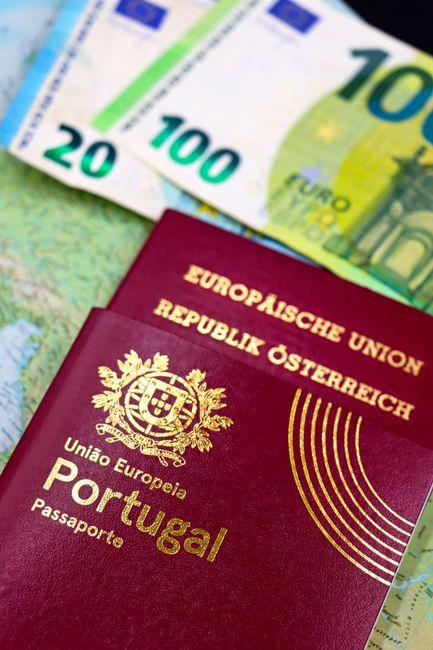
Barriers and Unexpected Hurdles on the Path to New Nationality
- Unexpected delays and shifting regulations: One aspiring citizen, Clara, thought obtaining citizenship through investment would be a straightforward transaction. Yet, halfway through the application process in her chosen country, new legislation introduced additional vetting steps-lengthening the timeline by several months. Such regulatory changes, often beyond an applicant’s control, remind us that countries continuously recalibrate their programs in response to political climates and economic interests. For many investors, these sudden delays not only strain patience but also complicate financial planning and broader life decisions like relocating families or liquidating assets.
- Hidden costs and documentation pitfalls: Another common hurdle involves the labyrinth of paperwork and ancillary fees. When Ahmed pursued naturalization by investment, he underestimated the volume of documentation required-from meticulous proof of funds origin to detailed background checks. Missing or inconsistent documentation could trigger costly rejections or resubmissions. The journey also revealed unexpected expenses: legal fees, mandatory in-person interviews, and government administrative charges added layers of financial complexity beyond the initial capital outlay. Through these experiences, many learn early on that thorough preparation and consultation with seasoned experts are more than advisable-they’re essential.
| Barrier | Common Impact | Lesson Learned |
|---|---|---|
| Regulatory Shifts | Extended processing times, unexpected criteria | Maintain flexibility and stay updated with official communications |
| Documentation Errors | Delays, application rejections, additional costs | Invest in professional guidance and double-check all paperwork |
Insightful Stories of Success and Setbacks in Diverse Programmes
- The Tale of the Ambitious Entrepreneur: When Rajesh, a tech entrepreneur from Mumbai, first explored citizenship by investment programs, he was drawn by the fast-track options promising new passports within six months. Opting for a Caribbean nation’s real estate route, he expected a straightforward process. However, midway, bureaucratic hoops and unexpected legal inquiries about source of funds stretched his timeline far beyond initial promises. This experience illuminated two vital decision points-choosing a program with realistic timelines and understanding the compliance requirements deeply before committing capital. Rajesh’s journey shows that while the allure of quick citizenship is strong, patience and thorough due diligence are non-negotiable. His eventual success in obtaining citizenship came only after switching focus to a European program known for its transparency and rigorous vetting, which, despite taking longer, delivered a passport that better aligned with his mobility and business goals.
- Contrasts in Expectation vs. Reality: Maria’s story underscores the nuances of investment diversification within citizenship programs. Hoping to leverage a Mediterranean country’s citizenship by investment scheme, she invested in government bonds expecting minimal involvement and straightforward returns. Yet, the program’s strict residency requirements soon clashed with her commitments abroad, forcing a costly recalibration of her lifestyle and plans. Her initial assumption-that citizenship equaled freedom without strings-was challenged, leaving her with a hard-earned lesson: citizenship by investment doesn’t guarantee immediate flexibility, and lifestyle implications can be profound. Comparing her experience with others in similar programs highlights the importance of evaluating not just financial cost, but the social and legal obligations attached. The takeaway? A comprehensive personal and professional assessment at the outset can prevent costly surprises and make the dream transition smoother.
| Scenario | Expectation | Reality | Lesson Learned |
|---|---|---|---|
| Quick citizenship through Caribbean real estate | 6 months processing, minimal hurdles | Legal scrutiny, delayed by 12+ months | Prioritize transparency & realistic expectations |
| Investment in government bonds with residency flexibility | Minimal physical presence required | Strict residency conditions affected lifestyle | Assess lifestyle impact thoroughly before investing |
Comparing National Approaches to Investment and Residency Requirements
- Malta and St. Kitts & Nevis offer two starkly different routes to citizenship through investment, illustrating how residency requirements can make or break a plan. For instance, Emma, a tech entrepreneur from Spain, chose Malta’s program in hopes of quickly securing an EU passport. However, she soon realized that Malta’s strict residency requirement-12 months physically present before citizenship is granted-meant she had to rearrange her entire schedule and business operations. In contrast, her acquaintance Raj opted for St. Kitts & Nevis, where minimal to no residency is needed, allowing for quick processing and almost immediate access to a new passport. Yet, Raj discovered the Caribbean route came with more scrutiny regarding source of funds and potential limitations on travel freedom outside the region. These experiences highlight how the residency commitment is a crucial decision point, balancing convenience with long-term benefits.
- When we shift focus to Portugal’s Golden Visa versus the Cyprus Investment Program, the contrast deepens. Portugal requires applicants to spend only a handful of days per year, making it attractive for those looking for flexibility, but its path to full citizenship is a slow climb, often taking up to five years. Conversely, Cyprus, until its recent suspension, favored a quicker citizenship timeline with a higher investment threshold but demanded less residency. A Hungarian family attempting Cyprus’s program found the initial appeal of quick citizenship marred by sudden policy changes, forcing them to pivot mid-application. This scenario underscores a vital lesson: while upfront expectations might lean toward smooth and rapid naturalization, shifting national policies and residency strings attached can fundamentally alter outcomes. Below is a quick comparison table of these contrasting requirements:
| Country | Residency Requirement | Time to Citizenship | Investment Threshold |
|---|---|---|---|
| Malta | 12 months (physical presence) | 1 to 1.5 years | €600,000+ contribution + property |
| St. Kitts & Nevis | None or minimal | 3-6 months | $150,000+ donation |
| Portugal | 7 days/year minimum | 5+ years | €280,000+ real estate |
| Cyprus (Suspended) | Minimal | 6 months | €2 million+ real estate |
Reflecting on Long Term Implications for Identity and Belonging
- Maria’s story: When Maria decided to pursue citizenship through investment in a Caribbean country, the promise of a new passport and seamless travel was the primary motivator. However, years later, she found herself grappling with a subtle sense of dislocation. While her financial standing had improved, the cultural disconnect sometimes weighed heavily. The memories of family gatherings back home contrasted sharply with her quieter life in a small island community where she was often seen as an outsider. Maria’s experience underscores a key realization for many in similar situations: citizenship goes beyond paperwork-it shapes identity. The act of belonging involves more than legal status; it necessitates emotional ties and shared experiences, which can take years to cultivate or may never fully materialize.
- Lessons learned at critical decision points: For individuals contemplating this path, the long-term impact on personal identity and community belonging is often underestimated. Take, for example, the case of James, who initially viewed his new citizenship as purely transactional-an easier route for his business expansion. Over time, however, he recognized the innate human need for connection beyond borders. His dual citizenship opened doors commercially but left him questioning his role within either country’s community fabric. These contrasting outcomes highlight important considerations:
Expectation Reality Instant sense of belonging in the new country Often requires long-term cultural integration Simplified identity through a second passport Complex dual identities and sometimes divided loyalties Improved lifestyle and social acceptance Challenges in social assimilation and feeling fully accepted Ultimately, reflecting on these dynamics helps potential applicants weigh not only the financial or strategic benefits, but also the emotional and social consequences tied to redefining one’s identity and sense of belonging across borders.
Insights and Conclusions
As the quest for global mobility and economic opportunity continues to shape the modern world, the path from dreams to doorways remains as intricate as ever. Citizenship by investment programs offer more than just a change of address-they present a transformative leap toward new horizons. Yet, navigating this complex journey demands careful consideration, patience, and informed choices. Ultimately, the doors these programs open reflect both personal aspirations and the evolving landscape of international citizenship, reminding us that every dream of belonging begins with a thoughtful step forward.




