
In an increasingly interconnected world, the notion of belonging to more than one nation has become more common-and more complex-than ever before. Multi-nationality, once a rare legal and cultural phenomenon, now shapes the lives of millions who navigate the unique intersections of identity, opportunity, and responsibility. But what does it truly mean to hold multiple nationalities? Beyond passports and paperwork, this multifaceted status offers a wealth of benefits, a set of distinct challenges, and a legal landscape that varies widely across countries. This article unpacks the essence of multi-nationality, exploring how it works, why it matters, and what those who hold it-and those who govern it-need to understand.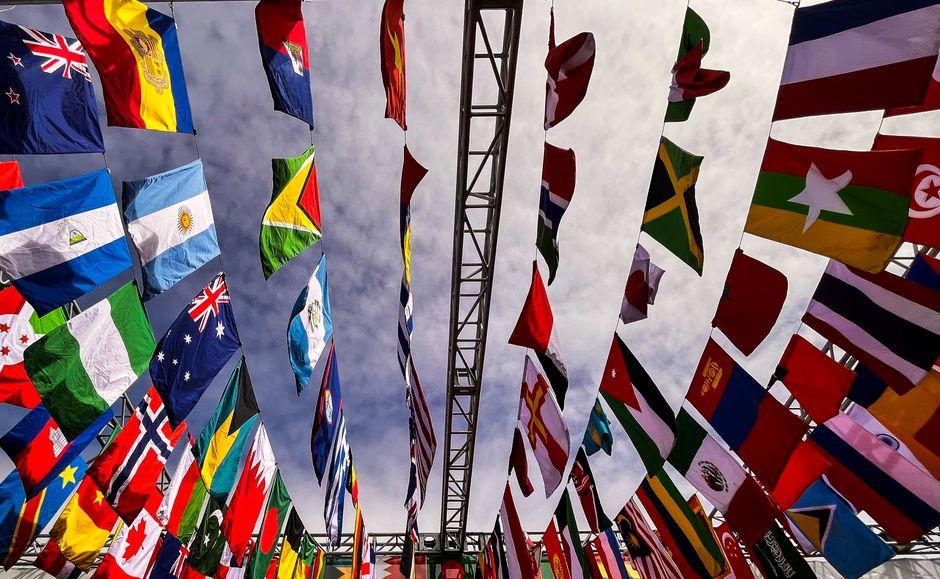
Exploring the Concept of Multiple Nationalities and Its Legal Foundations
Multiple nationalities, often referred to as dual or multiple citizenship, describe the legal status where an individual is recognized as a citizen by more than one country simultaneously. This status arises through various means such as birthright, naturalization, marriage, or descent. The legal foundations of multiple nationalities vary significantly across jurisdictions, depending largely on a country’s policies regarding citizenship retention and acquisition. While some nations embrace multiple citizenships, allowing individuals to hold passports from two or more countries, others enforce strict single nationality laws that require renunciation of previous citizenships upon naturalization. Understanding these legal frameworks is critical, as they govern rights, responsibilities, and potential conflicts such as tax obligations, military service, or diplomatic protection.
The implications of multiple nationalities extend beyond legal recognition, offering tangible benefits and presenting certain challenges. Key advantages include enhanced travel freedom due to broader visa-free access, increased employment and business opportunities across member countries, and a stronger sense of global identity. However, these benefits may come with complications like legal ambiguities, potential allegiance conflicts, or difficulties in political participation. Below is a summary comparing common aspects of single versus multiple nationality frameworks:
| Aspect | Single Nationality | Multiple Nationalities |
|---|---|---|
| Legal Rights | Confined to one country’s jurisdiction | Access to rights in multiple countries |
| Travel | Passport validity limited to one country | Multiple passports enabling broader international mobility |
| Taxation | Tax obligations in one jurisdiction | Possible tax duties in multiple countries |
| Military Service | Obligatory only in one country | Potential obligations in more than one country |
- Recommendation: Before pursuing or accepting multiple nationalities, individuals should thoroughly research bilateral agreements and consult legal experts to understand the interplay of rights and obligations.
- Consideration: Not all countries recognize multiple nationality equally; some may impose penalties or restrict rights if undisclosed dual citizenship is identified.

Advantages of Holding Citizenship in More Than One Country
Holding citizenship in more than one country offers a range of tangible benefits that extend beyond simple national identity. For instance, multi-nationality grants greater travel flexibility, often allowing visa-free or visa-on-arrival access to a wider number of countries. This can significantly reduce both travel costs and bureaucracy. Additionally, dual or multiple citizens can access healthcare, education, and social services in more than one jurisdiction, sometimes benefiting from public programs that wouldn’t be available to non-citizens. Economically, being a citizen in multiple countries can provide investment and employment opportunities across borders, enabling easier establishment of businesses, property ownership, and participation in local economies without typical restrictions placed on foreign nationals.
Moreover, holding multiple citizenships can offer a form of personal security and political rights that single citizenship does not. In cases of political instability, economic downturns, or social unrest in one country, a multi-national can opt to reside or work in their other country of citizenship, providing a practical backup plan. Additionally, multi-nationality often grants the right to vote or run for office in more than one country, expanding an individual’s influence and civic participation on a global scale. Below is a quick comparison to illustrate the scope of these benefits:
| Benefit | Single Citizenship | Multiple Citizenship |
|---|---|---|
| Travel Freedom | Limited to one passport’s visa agreements | Access to multiple passports, increasing visa-free travel |
| Access to Public Services | Restricted to home country | Eligible for benefits in several nations |
| Work & Business Opportunities | May require work permits | Unrestricted employment and ownership rights |
| Political Rights | Limited to one country | Voting and running for office in multiple countries |
Navigating Common Obstacles Faced by Multi-National Individuals
Multi-national individuals often encounter a range of practical obstacles related to legal status, cultural integration, and administrative complexities. One significant challenge is navigating differing legal frameworks, such as citizenship laws, residency permits, and tax obligations. For example, dual nationality can sometimes lead to dual taxation or confusion over mandatory military service requirements. Understanding each country’s regulations and seeking professional advice can mitigate such issues. Additionally, cultural adaptation may prove difficult when balancing multiple cultural identities. Individuals may feel a sense of belonging in different societies but also face identity conflicts or discrimination. Strategies like community engagement, language learning, and leveraging cultural heritage can help ease this adjustment process.
Another common obstacle lies in the administrative burden accompanying multi-national status. This includes maintaining multiple passports, renewing visas, and complying with diverse documentation requirements. To better manage these demands, multi-national individuals should adopt organized record-keeping practices and stay updated on policy changes in each country involved. Below is a simple comparison of typical challenges faced by multi-national individuals alongside recommended approaches to navigate them effectively:
| Common Obstacle | Impact | Recommended Approach |
|---|---|---|
| Conflicting Legal Obligations | Tax complications, dual military service, legal ambiguity | Consult legal experts, clarify obligations in each jurisdiction |
| Cultural Identity Conflicts | Sense of belonging issues, discrimination experiences | Engage in multicultural communities, develop language proficiency |
| Administrative Overload | Passport renewals, visa management, documentation errors | Set reminders for document renewals, use digital organization tools |
Choosing the Right Nationalities and Understanding the Process
Choosing the right nationalities when pursuing multi-nationality requires careful consideration of several practical and personal factors. It’s essential to evaluate the legal frameworks of each country involved, as citizenship laws vary widely-some allow dual or multiple nationalities, while others impose strict restrictions or require renouncing previous citizenships. Beyond legal eligibility, consider the benefits each nationality offers, such as access to education, healthcare, ease of travel, work opportunities, and social welfare. For instance, holding an EU citizenship often facilitates seamless mobility across member states, whereas a nationality from a country with strong passport power may grant visa-free entry to numerous destinations worldwide. Additionally, personal ties-family heritage, residence, or cultural affinity-often influence the choice, providing a meaningful connection beyond administrative advantages.
Understanding the process of acquiring multiple nationalities is equally important to avoid common pitfalls. Generally, pathways include birthright, descent, naturalization, marriage, or investment, each with distinct requirements and timelines. Key challenges to anticipate are complex paperwork, possible tax obligations in multiple jurisdictions, and the risk of losing certain rights if one country does not recognize dual status. To navigate these complexities effectively, consider:
- Consulting immigration experts to ensure compliance with varying nationality laws
- Comparing processing times and costs linked to naturalization or citizenship by descent
- Reviewing bilateral treaties that might affect your status or benefits (e.g., tax treaties, military service obligations)
Below is a simplified comparison of common acquisition routes and their typical considerations:
| Acquisition Route | Typical Requirements | Pros | Cons |
|---|---|---|---|
| Birthright Citizenship | Born in the country or to its citizens | Automatic, no application needed | Limited choice of nationality |
| Citizenship by Descent | Proof of parental or grandparental lineage | Connects to heritage, often faster processing | Documentation can be complex |
| Naturalization | Residency, language, integration requirements | Access to full rights and services | Lengthy process, possible renunciation demands |
| Citizenship by Marriage | Marriage to citizen, residency period | Simplified process in some countries | Often slower or conditional citizenship |
| Citizenship by Investment | Financial investment or donation | Quickest route in some countries | High cost, ethical concerns |
Clearing Up Myths and Offering Practical Advice for Multi-National Living
Many misconceptions surround the experience of living as a multi-national individual, often painting it as either endlessly glamorous or unduly complicated. In reality, multi-national living involves both unique opportunities and tangible challenges. For example, far from being exclusively about expensive travel or exotic lifestyles, it often requires careful navigation of legal systems, tax obligations, and cultural nuances. A key myth is that holding multiple residencies or citizenships automatically grants unrestricted freedom to work or settle; in fact, each country maintains its own set of rules regarding visas, employment rights, and social benefits. Understanding these practical boundaries can prevent costly mistakes. It’s also not just the logistics-adjusting to varied cultural expectations and languages can be as significant as legal hurdles. In truth, multi-national living is a dynamic balancing act between adapting and asserting one’s legal and personal identities across borders.
To make multi-national living more manageable, consider these practical recommendations:
- Stay Informed on Dual Taxation Treaties: Research whether your countries of residence have tax agreements to avoid double taxation. Consulting a tax professional familiar with multi-jurisdictional cases can save both money and stress.
- Maintain Organized Personal Documentation: Keep multiple valid passports, visas, and residency permits up-to-date, and store digital copies securely to expedite bureaucratic processes.
- Bilingual or Multilingual Skills Are Valuable: Learning the primary languages where you live enhances social integration and professional opportunities.
- Build a Local Support Network: Establishing connections can ease cultural transitions and provide assistance when facing unforeseen issues.
- Understand Local Healthcare Systems: Register promptly and verify what your coverage entails, especially if you move between countries frequently.
| Aspect | Common Misconception | Practical Reality |
|---|---|---|
| Legal Residency | “Multiple passports mean unlimited visa-free travel.” | Each country’s visa and residency rules vary; you may need permits or residency renewals. |
| Work Rights | “Being multi-national guarantees employment freedom.” | Work authorization depends on local labor laws and employer sponsorships. |
| Tax Obligations | “No tax complications across countries.” | Multiple tax jurisdictions require careful compliance and planning. |
In Conclusion
In a world increasingly defined by borders that blur and cultures that intertwine, understanding multi-nationality offers a vital lens through which to view identity, opportunity, and complexity. Embracing multiple national ties can unlock a wealth of benefits-from expanded horizons and enriched perspectives to practical advantages in travel, work, and legal rights. Yet, it also brings its own set of challenges, demanding careful navigation of diverse laws, responsibilities, and sometimes conflicting loyalties. By unpacking how multi-nationality works, we gain not only clarity but also a deeper appreciation for the dynamic nature of belonging in today’s global society. As the world moves forward, this knowledge becomes an essential tool for anyone seeking to thrive beyond borders, blending cultures and citizenships into a richer, more nuanced tapestry of identity.




