
In an era where global mobility shapes personal aspirations and economic strategies, citizenship by investment programs have emerged as powerful gateways to new opportunities. These programs, offering the allure of a second passport through financial contribution, blur traditional notions of nationality and redefine the relationship between individuals and states. Yet, beyond the inviting promises of convenience and access lie a complex landscape marked by regulatory scrutiny, ethical debates, and geopolitical considerations. “Beyond Borders: Navigating the Challenges and Triumphs of Citizenship by Investment Programs” embarks on a journey through this multifaceted world, exploring how nations and investors alike negotiate the delicate balance between risk and reward, identity and innovation.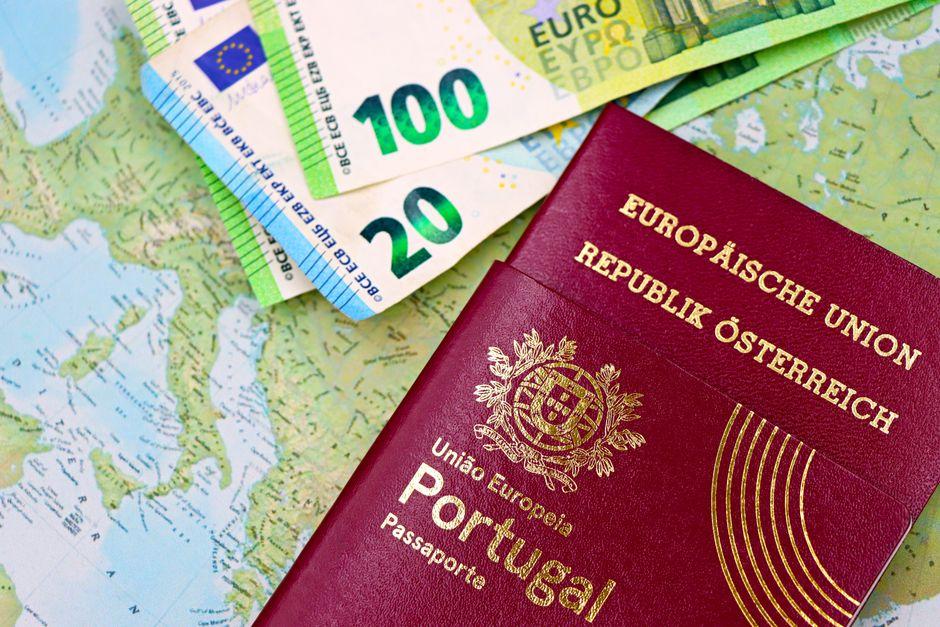
Understanding the Personal Journeys Behind Citizenship by Investment
When Amina, a tech entrepreneur from Nigeria, first encountered the idea of obtaining citizenship through investment, her vision was straightforward: expand her business into new markets with the freedom and ease that a second passport promises. Yet, the journey soon unfolded complexities she hadn’t anticipated. Beyond the paperwork, background checks, and financial commitments, Amina faced cultural and legal landscapes that required sharp navigation. Her decision point wasn’t simply about money-it was a balancing act involving family considerations, long-term residency plans, and the desire to preserve her original identity. Amina’s story illustrates a common thread among applicants: the pursuit of citizenship by investment is often less transactional and more transformational than expected.
Consider too the case of Mark and Elena, a retired couple from Canada seeking a Mediterranean second nationality for lifestyle and tax advantages. They eagerly anticipated a seamless process and swift approval. However, their experience highlights the unpredictability inherent in these programs. Delays, stringent due diligence protocols, and unexpected financial disclosures tested their patience and flexibility. What stood out in their narrative was the realization that each program carries its own risks and rewards, and the importance of thorough research and realistic expectations. Their takeaway was clear:
- Due diligence is not just a formality but a rigorous filter.
- Understanding the local legal framework saves future headaches.
- Expectation management is critical-there’s no one-size-fits-all citizenship experience.
| Aspect | Expectation | Reality |
|---|---|---|
| Processing Time | 3-6 months | 6-12 months or more, depending on review complexity |
| Financial Requirements | Investment only | Additional fees, taxes, and hidden costs incurred |
| Legal and Cultural Adaptation | Minimal engagement | Active participation and understanding required for smooth transition |
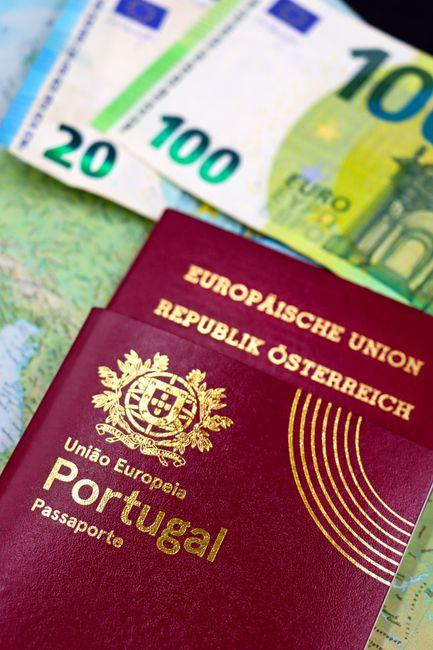
Confronting Legal Complexities and Ethical Questions in Global Programs
When navigating citizenship by investment (CBI) programs, legal intricacies often emerge as unexpected roadblocks rather than clear pathways. Take, for example, the case of a financial advisory firm that facilitated multiple applications for a Caribbean CBI program. Initially, the process seemed straightforward: investors submitted required documents, investments were verified, and citizenship was granted within months. However, differences in due diligence standards between jurisdictions soon surfaced. What one country’s regulators considered sufficient proof of source of funds, another’s deemed inadequate, resulting in delayed approvals or outright denials. This contrast between expectation and regulatory reality underscores how fragmented legal frameworks can complicate what should be a seamless process. Navigating this requires not only a keen understanding of each jurisdiction’s legal landscape but also flexible strategies to pre-empt compliance issues before applications are submitted.
- Decision point: How much pre-application document scrutiny is enough?
- Lesson learned: Investing time upfront in comprehensive compliance checks saves costly setbacks.
- Case insight: Some applicants have voluntarily withdrawn their cases to repackage documentation, rather than face refusal – a costly but effective last resort.
Ethical questions often loom large, especially as global finance regulators intensify scrutiny around CBI programs. A notable example is the tension between a state’s economic goals and concerns over potential misuse of citizenship by individuals with opaque backgrounds. Consider a European nation that revamped its CBI program after NGOs flagged cases of applicants whose wealth origins were questionable. Despite the economic benefits from new investors, the state faced reputational risks and pressure from international bodies to tighten ethical standards. This balancing act points to critical decision stages: Should economic expediency outweigh strict ethical vetting? How transparent should governments be about the standards they apply? Such dilemmas are not merely theoretical; they affect policy adjustments, investor trust, and ultimately the legitimacy of citizenship programs.
| Ethical Challenge | Program Response | Outcome |
|---|---|---|
| Weak vetting of source of funds | Implementation of third-party independent audits | Increased investor trust but longer processing times |
| Opaque applicant backgrounds | Mandatory disclosure and enhanced transparency mandates | Improved program reputation but reduced applicant pool |
Moments of Transformation in the Pursuit of New National Identities
- The Decision to Embrace Change: Consider the story of Elena, a successful entrepreneur from Eastern Europe who decided to pursue citizenship through an investment program abroad. Initially motivated by the promise of visa-free travel and enhanced business opportunities, she quickly realized the choice was far more complex than ticking off a checklist. The moment that truly transformed her journey came during her residency application process, where she confronted unexpected cultural and legal nuances that challenged her preconceived notions about identity and belonging. Her expectations of a straightforward transaction gave way to a deeper understanding that citizenship was not simply a passport-it was a commitment to new communities, traditions, and responsibilities.
- Lessons from Transformation: This crossroads is common among many applicants-whether they are investors like Elena or retirees in search of tranquility and stability. The journey reveals contrasts between the initial practical aspirations and the evolving emotional and social realities of adopting a new national identity. For instance, many encounter a critical decision point upon receipt of citizenship: how to balance dual allegiances or whether to actively engage in the civic life of their new homeland. Lessons learned here often include the importance of thorough research into the socio-political climate of the host country and recognition that the end of the application process is merely the start of integrating fully. These transformative moments underscore citizenship by investment as an ongoing voyage, where personal growth and adaptation are just as significant as the legal documents obtained.
| Expectation | Reality | Key Insight |
|---|---|---|
| Quick, transactional citizenship. | Complex cultural and legal integration. | Citizenship implies active engagement beyond paperwork. |
| Immediate enhanced global mobility. | Gradual navigation of social and economic systems. | Patience and adaptability are crucial post-citizenship. |
| Simple financial investment. | Commitment to long-term identity and responsibility. | Identity transformation requires personal and societal alignment. |
Lessons Learned from Successes and Setbacks Around the World
- St. Kitts and Nevis’ Quick Pivot: When St. Kitts and Nevis launched their Citizenship by Investment program in the 1980s, it was among the first globally and primarily targeted wealthy individuals seeking visa-free travel and tax advantages. Initially, the program saw moderate uptake, but a critical moment arrived when they decided to diversify investment options-not just real estate but also a sustainable sugar industry fund. This pivot gave the program resilience, especially during global economic downturns. The lesson? Flexibility in investment avenues and clear communication about socio-economic impact can strengthen appeal and sustainability. Conversely, when some Caribbean neighbors tried to rapidly scale up without robust due diligence systems, they faced hiccups in reputation, showing the importance of balancing speed with integrity.
- Malta’s Transparency Reforms: Malta’s program has faced international scrutiny over concerns of transparency. The government’s response-introducing a detailed vetting process and publishing more comprehensive reports-illustrates the power of openness. Citizens and regulators alike gained confidence when Malta actively engaged stakeholders in reform discussions and adjusted policies accordingly. However, this came with trade-offs; stricter checks slowed down application approvals, costing some short-term revenue but bolstering long-term trust. This story underlines a critical decision point for countries: pursue rapid growth or prioritize thorough safeguards that build lasting credibility?
| Case | Key Decision | Lesson Learned | Outcome |
|---|---|---|---|
| St. Kitts and Nevis | Diversified investment options beyond real estate | Flexibility sustains appeal during market shifts | Continued steady inflow despite economic downturns |
| Malta | Increased transparency and stakeholder engagement | Trust-building enhances program legitimacy | Short-term slowdown, long-term credibility boost |
Balancing Opportunity and Risk in the Evolving Landscape of Global Mobility
- Case Study: The Albright Family’s Dilemma – The Albrights, a tech entrepreneur family from Europe, sought a second citizenship through investment hoping to expand business opportunities across Asia and the Middle East. Initially drawn by the promise of visa-free travel and simplified tax regimes, they soon faced rigorous due diligence and unexpected legal complexities in their chosen country’s program. Their experience highlights a critical lesson: even when opportunity seems clear-cut, each program carries distinct regulatory risks and compliance costs. Balancing these against personal and professional goals is essential-what looks like a golden passport may come with hidden strings attached.
- Expectation vs. Reality in Policy Shifts – Governments worldwide have adjusted their Citizenship by Investment (CBI) offerings in response to global economic and security concerns. For example, a Caribbean nation’s program once touted for its speed and accessibility introduced stricter background checks and longer processing times after concerns over transparency arose. Investors expecting a quick transition were met with delays, prompting some to reconsider their entire mobility strategy. This contrast underscores the importance of continual monitoring and diversification, where balancing opportunity means not putting all your eggs into one passport program basket.
| Key Decision Points | Risks | Opportunities |
|---|---|---|
| Program Transparency | Lack of clarity on due diligence processes | Predictable application timelines |
| Political Stability | Susceptibility to sudden policy changes | Long-term security and consistent benefits |
| Financial Commitments | Potential loss due to policy reversal or program closure | Asset diversification and improved global access |
Closing Remarks
As the world grows ever more interconnected, citizenship by investment programs stand at the crossroads of opportunity and complexity. They beckon individuals with the promise of new beginnings, economic advantages, and global mobility, yet they also challenge nations to balance sovereignty, security, and ethical considerations. Navigating these programs requires a keen understanding of their multifaceted nature-where triumphs and trials intertwine beyond borders. Ultimately, the journey through citizenship by investment is as much about discovery and adaptation as it is about passports and privileges, painting a vivid portrait of our evolving global landscape.




