
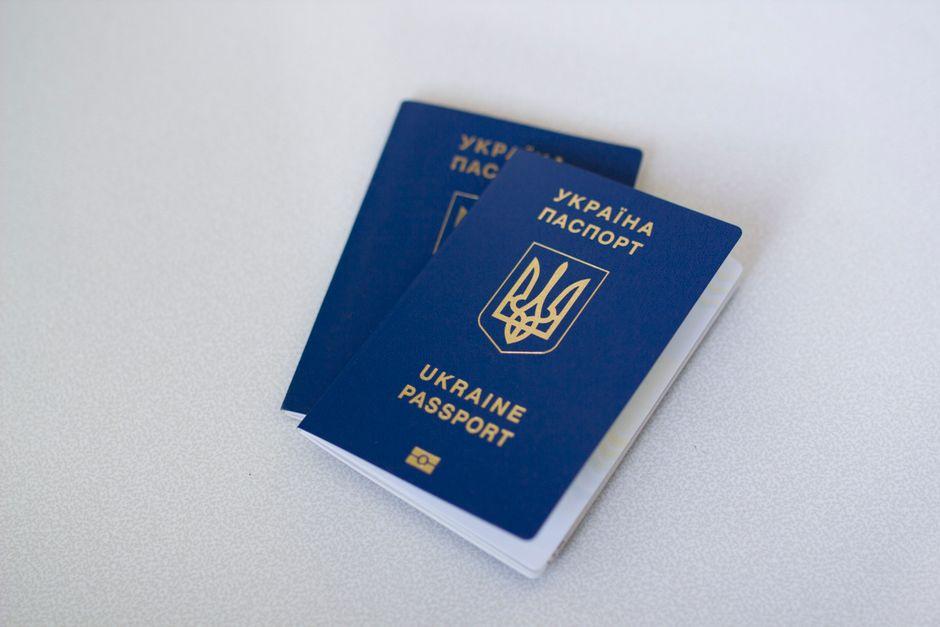
Imagine holding two passports, each offering a unique set of opportunities and connections across the globe. Dual citizenship, a status embraced by millions worldwide, opens a gateway to diverse cultures, legal rights, and economic advantages. But what does it truly mean to be a citizen of two countries? Beyond the appealing perks lie complexities that require careful navigation. In this article, we’ll delve into the world of dual citizenship – unraveling how it works, the benefits that come with it, and the challenges it presents in today’s interconnected world. Whether you’re considering this path or simply curious, join us as we explore the multifaceted reality of living with dual allegiance.
Understanding the Basics of Holding Two Passports
Holding two passports, often referred to as dual citizenship or dual nationality, means a person is legally recognized as a citizen by two different countries simultaneously. This status allows individuals to enjoy the rights and privileges of both nations, such as voting, working, and accessing social services. However, it’s important to understand that each country has its own rules regarding dual citizenship-some fully embrace it, others allow it under specific circumstances, and a few prohibit it completely. Recognizing these distinctions can help prospective dual citizens navigate complex legal landscapes and avoid unexpected consequences like loss of citizenship or legal conflicts.
Benefits of Holding Two Passports:
- Enhanced Travel Freedom: Access to more visa-free or visa-on-arrival countries compared to holding a single passport.
- Economic Opportunities: Ability to work, study, and invest in two different countries without restrictions.
- Consular Protection: Diplomatic assistance from either country when abroad.
- Tax Planning: Opportunities for strategic financial management, though this requires careful legal consultation.
Challenges to Consider:
- Tax and Legal Obligations: Dual citizens may have to file taxes or obey laws in both countries, sometimes leading to complex compliance requirements.
- Military Service: Some countries mandate compulsory service, which could apply to dual nationals.
- Political and Identity Complexities: Conflicts of allegiance may arise, or certain government positions may be off-limits.
| Country | Dual Citizenship Policy | Key Consideration |
|---|---|---|
| United States | Permitted | Tax obligations on global income |
| Germany | Generally discouraged | Requires permission to maintain |
| Japan | Not permitted | Must choose one citizenship by age 22 |
Advantages and Potential Drawbacks of Dual Citizenship
Dual citizenship offers numerous advantages that appeal to individuals seeking greater flexibility and opportunity across borders. Key benefits include enhanced travel freedom, as holders often gain access to multiple passports allowing visa-free or simplified entry into various countries. It also provides the ability to live, work, or study in two nations without needing special permits or visas, which is particularly valuable for expatriates, professionals, and students. Financially, dual citizens might benefit from diversified investment opportunities and access to social services or pensions in both countries. Additionally, maintaining cultural connections and family ties across nations is easier with dual citizenship, fostering a strengthened sense of identity and belonging.
However, dual citizenship can also present challenges that are important to consider before pursuing it. One potential drawback is the complexity of legal responsibilities, such as taxation rules which may require reporting income to both countries, sometimes resulting in double taxation despite treaties designed to mitigate this. Citizenship obligations like compulsory military service or jury duty in either country could also arise. Additionally, navigating conflicting laws-whether related to inheritance, property rights, or criminal justice-may demand legal assistance and awareness. It’s crucial to research the specific policies of both countries involved, as some nations do not permit dual citizenship or impose restrictions that may affect your rights and benefits. Below is a brief comparison outlining common pros and cons:
| Advantages | Potential Drawbacks |
|---|---|
| Multiple travel passports for easier international mobility | Possible double taxation and complex tax filings |
| Right to work, study, and reside in two countries | Mandatory military service or civic duties in either country |
| Access to social benefits and property ownership | Legal conflicts between different national laws |
| Stronger cultural and family connections | Restrictions or loss of citizenship in one country if rules aren’t met |
Navigating Legal Complexities and Responsibilities Abroad
When holding dual citizenship, understanding the legal landscape of both countries is crucial to effectively navigate the complexities and responsibilities that arise abroad. Dual citizens are subject to the laws and regulations of each nation they hold citizenship in, which can sometimes lead to conflicting legal obligations. For example, taxation is a commonly encountered challenge, as some countries require dual citizens to file taxes or declare assets regardless of where they reside. Additionally, military service requirements may differ, and failure to comply with one country’s conscription laws could lead to legal consequences. It’s important to research and consult official government sources or legal experts to clearly understand obligations such as voting, jury duty, or property ownership rights, which can vary widely between countries.
To manage these complexities effectively, many dual citizens rely on organized record-keeping and proactive legal counsel. Considering practical measures can mitigate risks and ease navigation abroad, such as:
- Regularly reviewing tax treaties: Identifying if bilateral agreements exist can prevent double taxation and clarify filing duties.
- Staying informed about immigration and residency rules: Each country may impose limits on how long a dual citizen can reside without special permissions or visas.
- Understanding consular support limits: Being aware that consular protection may vary if in a third country and holding dual citizenship.
- Recognizing legal identity requirements: Using appropriate passports per jurisdiction to avoid legal issues at borders or during travel.
Below is a simplified comparison of typical responsibilities faced by dual citizens in two hypothetical countries, illustrating common legal areas to watch:
| Responsibility | Country A | Country B |
|---|---|---|
| Tax Filing | Annual filings required regardless of residence | Only on income earned domestically |
| Military Service | Mandatory if aged 18-25 | No conscription policy |
| Voting Obligation | Compulsory in national elections | Voluntary participation |
By equipping themselves with knowledge and professional guidance, dual citizens can confidently balance the legal expectations of multiple countries, thereby safeguarding their rights and fulfilling their civic duties abroad.
Choosing Between Single and Dual Nationality Based on Personal Goals
Deciding between single and dual nationality hinges primarily on your personal, professional, and legal goals. If you prioritize simplicity, straightforward tax obligations, and a clear legal identity, retaining a single nationality might be more advantageous. Single citizenship often means fewer bureaucratic hurdles, such as simpler passport renewals and compliance with one country’s laws regarding military service, voting, and taxation. Conversely, dual citizenship provides enhanced flexibility for international travel, work opportunities, and access to social benefits in two countries. For example, dual nationals may benefit from lower visa restrictions and the ability to own property or access education in both nations. However, this advantage comes with potential complexities, such as navigating conflicting legal systems or dual tax responsibilities.
When weighing your options, consider the following factors:
- Legal responsibilities: Dual citizenship may require you to fulfill obligations like taxes, jury duty, or military service in both countries.
- Travel convenience: Dual citizenship often simplifies international movement by eliminating visa requirements between the two countries.
- Employment and residency: Access to jobs and social benefits in either country can be a significant benefit but depends on each nation’s policies toward dual nationals.
- Risk tolerance: Dual citizenship might expose you to legal conflicts if the countries involved do not recognize or restrict multiple nationalities.
| Factor | Single Citizenship | Dual Citizenship |
|---|---|---|
| Taxation | Simpler, one jurisdiction | Possible dual tax filings, depending on treaties |
| Travel | Dependent on one passport’s visa privileges | Greater flexibility with two passports |
| Legal Obligations | Single country laws apply | Potential obligations in both countries |
| Social Benefits | Benefits only from one country | Access to benefits in two countries |
Ultimately, assessing your long-term plans-including where you intend to live, work, vote, and pay taxes-will clarify whether dual citizenship aligns with your goals or if maintaining a single nationality suits your lifestyle. Consulting with legal and tax professionals can also provide tailored advice essential for making an informed choice.
Common Myths About Dual Citizenship Debunked
- Myth 1: Dual citizenship means you have to pay double taxes. While it’s true that citizens of two countries may have tax obligations in both, this doesn’t always mean double taxation. Many countries, including the United States and those within the European Union, have tax treaties in place to prevent this exact scenario. Often, foreign income is either exempt or credited against taxes paid in the other country. Understanding your specific tax responsibilities is crucial, but the blanket assumption of “double taxes” is largely a misconception.
- Myth 2: Dual citizenship requires loyalty to only one nation. Some people believe dual citizenship forces you to pick sides in matters of national allegiance. In reality, dual citizenship legally allows you to be a full citizen of two countries simultaneously, each with its own rights and duties. The concept isn’t about divided loyalty but about holding rights and responsibilities in both places. However, it’s important to recognize that in certain situations, like military service or political office, dual citizens might face unique restrictions or expectations depending on each country’s laws.
| Myth | Reality |
|---|---|
| You lose your original citizenship after obtaining a second one. | Many countries permit dual citizenship without requiring renunciation. Some, however, may require you to give up prior citizenship-so rules vary widely. |
| Dual citizenship complicates international travel with multiple passports. | Having passports from two countries can actually facilitate smoother travel, but it requires following the entry/exit rules of both nations carefully. |
To Conclude
In the intricate mosaic of global identity, dual citizenship stands as a fascinating tile-offering unique colors of opportunity alongside subtle shades of complexity. Whether it’s the promise of expanded horizons, cultural enrichment, or strategic advantages, understanding the mechanics and implications of holding two passports is essential in our interconnected world. As nations continue to evolve and personal stories intertwine across borders, dual citizenship invites us to rethink the very notion of belonging. Navigating its benefits and challenges is not just a legal exercise but a journey into what it means to carry multiple homes in one heart.




