
In an era defined by mobility and global interconnectedness, the concept of citizenship has evolved far beyond the borders of birthplace and heritage. Citizenship by investment programs, once niche pathways reserved for the affluent, have surged into the spotlight as dynamic gateways to new opportunities and identities. These programs promise more than just a passport; they offer a complex tapestry of dreams, challenges, and realities that span continents and cultures. “Crossing Borders: Journeys and Realities Behind Citizenship by Investment Programs” delves into the intricate world where finance meets identity, exploring the motivations, implications, and human stories woven into the pursuit of belonging in an increasingly borderless world.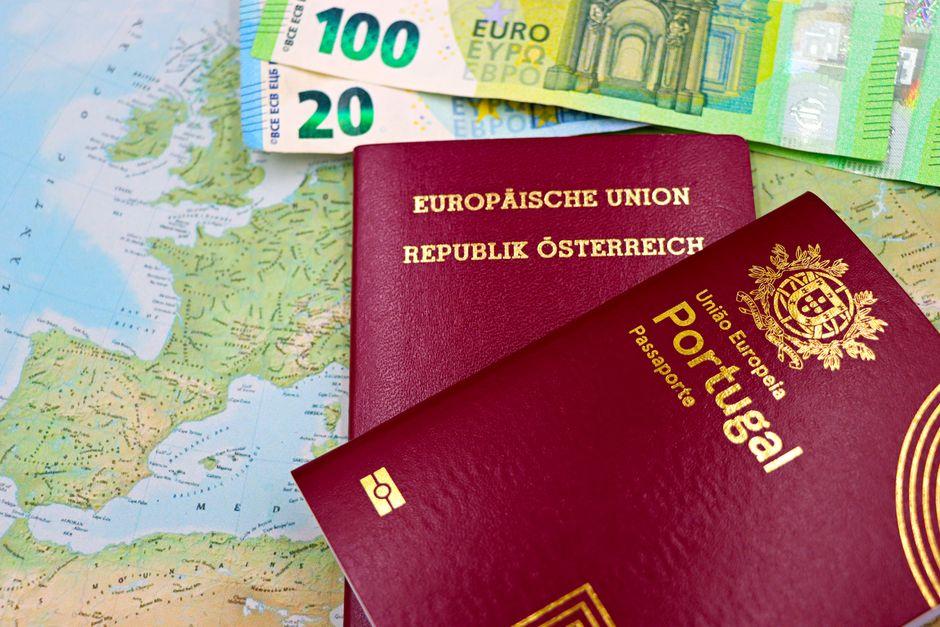
Navigating New Beginnings Through Citizenship by Investment
When Marcus, a tech entrepreneur from Brazil, first explored citizenship by investment programs, he envisioned a swift passport switch that would unlock seamless access to global markets. Yet, the reality proved more nuanced. Beyond the financial commitments lay a maze of due diligence processes, stringent residency requirements, and variable timelines. Each program carried its own set of trade-offs: some emphasized rapid processing but came with higher costs, while others promised more straightforward integration yet demanded longer physical presence. Marcus’s experience underscores a crucial lesson-successful navigation requires more than capital; it demands a clear-eyed appraisal of lifestyle, timing, and long-term goals.
Consider the case of Amina, a single mother from Kenya aiming to secure her family’s future through citizenship in a European nation. Her decision hinged not only on investment terms but on the educational and healthcare systems available for her children. The contrast between expectation and result became apparent when the bureaucratic hurdles extended her application process beyond a year, disrupting her plans and requiring patience she hadn’t anticipated. Her journey reveals vital decision points: balancing speed against stability, and understanding that citizenship by investment is as much about integration as it is about legal status. Key takeaways include rigorous research on local requirements, engagement with trusted advisors, and patience through procedural complexities.
- Assess Financial vs. Logistical Commitment: Weigh upfront investment against residency and language mandates.
- Clarify Family and Lifestyle Needs: Consider schooling, healthcare, and social ties integral to relocation.
- Anticipate Timeline Variability: Prepare for unpredictable processing and unexpected delays.
| Program Attribute | Expected | Typical Reality |
|---|---|---|
| Processing Time | 6 months | 6-18 months depending on documentation and background checks |
| Residency Requirement | Minimal or none | Often a minimum stay of 6-12 months before citizenship |
| Investment Threshold | $100,000 – $500,000 | $150,000 – $1 million+ depending on program and family size |
The Complex Interplay of Opportunity and Regulation
Maria, an entrepreneur from Brazil, saw citizenship by investment as a golden ticket to expand her business within the European Union. She applied through a popular program that promised fast-track residency followed by citizenship, expecting a smooth transition into her new life. However, what she encountered was a maze of regulatory checks, shifting compliance standards, and delays that tested her patience and resources. Her story highlights the razor-thin line applicants walk between genuine opportunity and bureaucratic roadblocks-where programs promising seamless access sometimes buckle under political pressure or new international scrutiny. Many applicants, like Maria, find themselves recalibrating their expectations as governments fine-tune eligibility criteria to guard against fraud and safeguard national interests.
The complex interplay becomes clearer when contrasting two programs: Country A’s citizenship-by-investment initiative, which recently tightened its due diligence processes, and Country B’s more lenient but scrutinized approach. Here’s a brief comparison:
| Feature | Country A | Country B |
|---|---|---|
| Application processing time | 12-18 months | 6-9 months |
| Due diligence depth | Extensive background checks | Basic vetting |
| Investment threshold | €2 million real estate or government bonds | €1 million donation to a development fund |
| Risk of revocation | Higher post-investment monitoring | Low, but less regulatory oversight |
This contrast underscores a key lesson: the allure of a fast, affordable citizenship option can be tempered by regulatory risk and potential instability. Investors need to weigh not only the upfront benefits but the evolving political landscape and compliance demands that influence the reliability and long-term value of their new citizenship. Success stories often emerge from those who engage deep local expertise and remain adaptable to shifting regulatory currents, understanding that the path to citizenship by investment is rarely as straightforward as it first appears.
Personal Stories Behind the Investment Decisions
- Maria’s pursuit of stability: A successful entrepreneur from Venezuela, Maria saw citizenship by investment as a pathway to secure her family’s future amid political and economic turmoil at home. Initially drawn by the promise of fast-tracked residency, her decision grew more nuanced after consulting with advisors. Her choice of a Caribbean program wasn’t solely about ease of access-it reflected her desire for a safe educational environment for her children and visa-free travel options to Europe. Maria’s experience highlighted a key lesson: while the paperwork and processing times could be managed efficiently, the real value lay in understanding long-term geopolitical and social implications of each destination.
- Jason’s career-driven move: Jason, a finance professional from South Africa, weighed several citizenship by investment programs to facilitate his ambition to work internationally without visa restrictions. His expectations centered on speed and global mobility, yet reality presented a series of complexities, including local residency requirements and fluctuating processing timelines. Jason’s story is a testament to the importance of patience and flexibility-a reminder that investment programs are no magic ticket but a strategic tool requiring careful balancing of professional goals and legal frameworks.
| Decision Point | Expectation | Reality/Lesson Learned |
|---|---|---|
| Program choice | Quick process with straightforward requirements | Varied due diligence times and conditional approvals necessitate long-term planning |
| Investment type | Preference for real estate as a tangible asset | Liquidity constraints and market fluctuations require risk assessment beyond citizenship purposes |
| Use of citizenship | Primarily travel freedom | Broader considerations include tax implications and social integration challenges |
Lessons Learned from Global Citizenship Transitions
- The reality of due diligence: Many applicants initially view citizenship by investment programs as straightforward financial transactions-a check to cash and a new passport in hand. However, the story is often more complex. Take Maria, a businesswoman from Brazil, who learned through her application process that countries vary widely in their vetting procedures. While some programs emphasize transparency and thorough background checks, others may have less rigorous screening. For Maria, the heightened scrutiny meant unveiling decades-old financial records she thought irrelevant, leading to unexpected delays. This taught her the invaluable lesson that readiness and preparation are paramount-jumping in without understanding the depth of checks can stall or even derail the process.
- Expectation vs. integration experience: Another common theme is the emotional and cultural adjustment after obtaining citizenship. Consider the case of Ahmed, an entrepreneur from the Middle East who secured citizenship in a European country through investment. His initial expectation was a seamless entry into a new business ecosystem and lifestyle. The reality, however, involved navigating subtle social norms and rebuilding trust networks from scratch. Ahmed’s insight highlights how citizenship is not merely a legal change but the beginning of a cultural journey-where economic benefits meet the challenge of genuine integration. This underscores the importance of proactively engaging with local communities and resources post-transition, to truly unlock the promise behind the passport.
| Lesson | Key Takeaway | Real-World Implication |
|---|---|---|
| Thorough Preparation | Understand all documentation and background checks in advance. | Avoids delays and surprises during the application process. |
| Cultural Integration | Citizenship is more than legal status; it requires community engagement. | Maximizes personal and professional benefits post-citizenship. |
| Financial Expectations | Investment does not automatically guarantee privileges like ease of access or tax benefits. | Financial planning must account for local laws and possible limitations. |
Balancing Economic Aspirations with Legal Realities
Imagine Elena, a tech entrepreneur from Eastern Europe, attracted by the promise of citizenship by investment programs that tout swift access to new markets, visa-free travel, and diversified global mobility. Her initial excitement was tempered, however, as she navigated the intricate legal frameworks behind these programs. While the economic aspirations beckoned-prospects of expanded business opportunities and lifestyle upgrades-the legal realities introduced a complexity few brochures discuss: stringent due diligence, residency requirements that aren’t always obvious upfront, and varying timelines for application approvals. Elena’s case highlights a typical crossroads for many applicants, where the lure of economic benefits must be weighed against thorough legal scrutiny and compliance demands. Such factors can significantly extend processing times or even lead to unexpected refusals, challenging the narrative of instant citizenship often advertised.
For others like David, a real estate investor from the Middle East, managing expectations proved equally pivotal. Initially drawn by the promise of a robust return on government bonds in one program, David discovered that a deeper dive into the legal fine print unveiled constraints such as non-negotiable lock-in periods and limited liquidity options. In his decision-making process, David created a simple comparison to assess risk and reward:
| Expectation | Reality |
|---|---|
| Quick, hassle-free investment exit | Minimum 5-year lock-in, penalties for early withdrawal |
| Guaranteed application approval post-investment | Subject to background checks and full disclosure |
| Immediate dual citizenship eligibility | Residency or physical presence requirements apply |
- Lesson Learned: Investment size does not always correlate with processing speed or outcome certainty.
- Lesson Learned: Legal nuances such as mandatory residency can redefine what “citizenship” practically means.
- Lesson Learned: Transparent communication from authorities and program operators is crucial for informed decisions.
These contrasting experiences emphasize that true success in citizenship by investment is less about rushing through economic goals and more about embracing the legal realities that safeguard both applicant and host country interests. Understanding this balance is essential for anyone contemplating this high-stakes pathway across borders.
In Conclusion
As the world grows ever more interconnected, citizenship by investment programs continue to reshape the traditional notions of belonging and identity. Behind each passport granted lies a complex story-a confluence of aspiration, opportunity, and the practical realities of modern mobility. Whether viewed as gateways to new beginnings or gateways shadowed by controversy, these programs remind us that crossing borders today is as much about navigating economic landscapes as it is about crossing physical frontiers. In the end, the journeys behind citizenship by investment reveal a mosaic of human ambition, global politics, and the elusive quest for security in an increasingly borderless world.




