
In an increasingly interconnected world, where borders fluctuate between openness and restriction, the power of a passport extends far beyond its simple physical form. Foreign passports, often overlooked in discussions of global mobility, have quietly emerged as formidable strategic assets-tools that transcend mere travel documents to reshape notions of identity, opportunity, and security. This article explores how these passports redefine what it means to move freely across the globe, offering holders unexpected advantages in a world where flexibility and adaptability are more valuable than ever. As we delve into this nuanced landscape, it becomes clear that foreign passports are not just keys to new countries, but gateways to expanded horizons and reimagined selves.
The Double-Edged Sword of Foreign Passports in Geopolitical Strategy
Foreign passports, often heralded solely as gateways to enhanced mobility and economic opportunity, also occupy a complex and contested space in geopolitical strategy. Their value transcends mere convenience, morphing into tangible instruments of influence-yet this influence is inherently double-edged. On one hand, holding a foreign passport can be a form of soft power leverage, enabling states and individuals to navigate diplomatic tensions, evade restrictive regimes, or secure critical alliances. For instance, countries offering citizenship-by-investment programs effectively commodify sovereignty, extending their geopolitical reach by binding wealthy foreigners economically and politically. However, this strategic asset risks becoming a vector for suspicion and regulatory crackdowns, as governments grow wary of “passport shopping” that might undermine national security or dilute the integrity of their own identity systems.
Crucially, the geopolitical utility of foreign passports demands a nuanced appreciation of their trade-offs. Policymakers and strategists should resist the temptation to treat these documents as universally positive or negative. Instead, they must weigh the balance between openness and control-between embracing transnational flows and safeguarding citizenship from instrumentalization. Consider the following distinctions:
- Strategic diversification versus identity dilution: A second passport can safeguard individuals from geopolitical volatility but may raise questions about dual loyalties and national cohesion.
- Economic influx against political leverage: Countries may gain investment and influence, yet risk becoming overly dependent on or compromised by foreign actors.
- Enhanced mobility versus security vulnerabilities: Increased travel freedom can bolster diplomacy, but also enable illicit activities if vetting processes are lax.
| Benefit | Risk | Recommended Approach |
|---|---|---|
| Expanded global access | Challenged national sovereignty perceptions | Establish transparent, stringent eligibility criteria |
| Geopolitical exit options for elites | Potential for uneven privilege and social stratification | Align passport policies with inclusive citizenship goals |
| Leverage in diplomatic negotiations | Heightened scrutiny and diplomatic friction | Use passports as part of broader soft power frameworks |
In sum, while foreign passports are potent instruments in the global chessboard, their strategic employment demands vigilance and adaptability. Overreliance or cavalier distribution risks eroding the very advantages they promise-a sober balance and principled governance can transform this double-edged sword into a refined geopolitical scalpel.
When Global Mobility Masks Complex Legal and Ethical Dilemmas
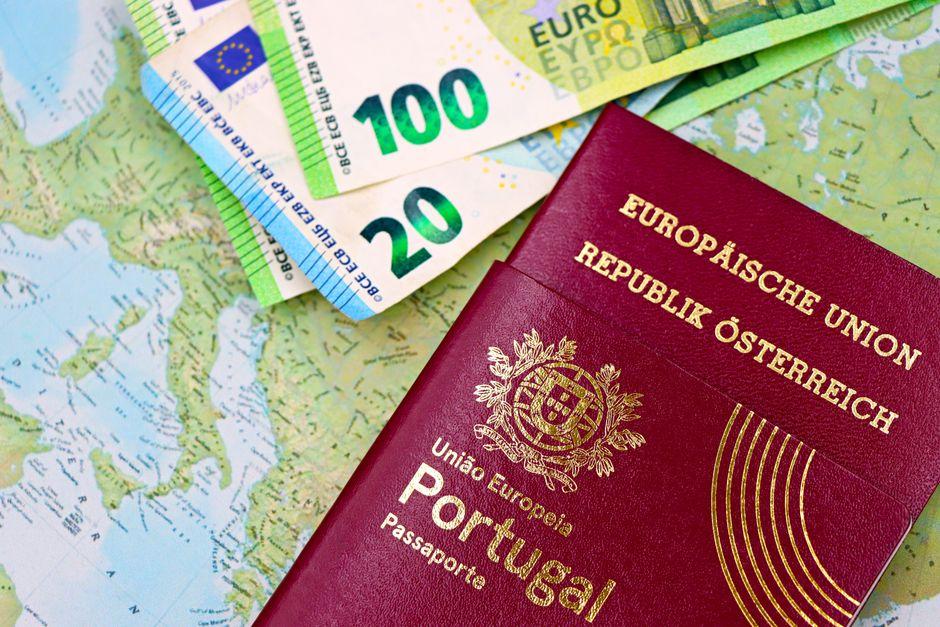
Global mobility, often championed as a straightforward benefit of holding foreign passports, surprisingly conceals intricate legal and ethical dilemmas that deserve serious scrutiny. The common narrative celebrates passports solely as keys to freedom and opportunity, yet this view oversimplifies reality. For instance, dual or multiple citizenships can entangle individuals in conflicting obligations: tax liabilities across jurisdictions, mandatory military service, or even politicized identity disputes. An overlooked tension lies between mobility and compliance, where enhanced travel freedom sometimes masks risks of inadvertent violations of international sanctions or local residency laws. These complexities reveal that a passport is not merely a travel document but a node in a web of legal responsibilities that demand intentional navigation rather than passive possession.
Understanding this nuanced landscape requires distinguishing between strategic asset management and ethical accountability. Individuals and advisors must weigh the trade-offs of global mobility against the potential for unintended consequences, such as feeding into opaque citizenship-by-investment schemes that undermine global regulatory frameworks. This calls for a proactive stance:
- Prioritize transparency: Scrutinize passport acquisition methods and the reputational risks linked to certain citizenship programs.
- Assess multi-jurisdictional impacts: Analyze how different legal systems intersect on taxation, conscription, and diplomatic protections.
- Balance convenience with principle: Resist the allure of unchecked passport accumulation that might erode genuine national ties or contribute to statelessness elsewhere.
Table 1
Comparative Legal and Ethical Considerations of Foreign Passports
| Aspect | Potential Benefit | Hidden Challenge |
|---|---|---|
| Legal Obligations | Access to multiple legal protections | Conflicting laws and compliance complexities |
| Ethical Considerations | Ability to influence global citizenship policies | Contributing to inequality and exploitation risks |
In short, global mobility should not be romanticized without a deeper interrogation of its multidimensional implications. The truly strategic use of foreign passports lies in mastering these trade-offs with an ethical compass-not merely in accumulating travel options.
Rethinking Identity Beyond Borders Through Strategic Passport Acquisition
Traditional notions of identity, long anchored to birthplace or lineage, are increasingly insufficient in a globalized reality where individuals seek agility over singular national affiliation. Strategic passport acquisition disrupts the outdated paradigm of identity as a fixed, territorial concept by allowing individuals to curate their affiliations based on practical benefits rather than inherited circumstances. However, this shift demands caution: a second passport is not a panacea for identity complexities. It requires deliberate evaluation of geopolitical stability, the depth of diplomatic relations, and compliance obligations. The true value lies not in mere possession but in the strategic alignment of passports with lifestyle, economic goals, and cultural integration, transcending simplistic “visa-free travel” metrics.
In weighing the trade-offs, one must resist the common trap of equating multiple citizenships with unlimited freedom. Instead, discernment is needed to balance the advantages of diversified global access against the responsibilities and legal commitments each passport entails. For instance, while a Caribbean passport may offer swift global mobility, it might lack robust consular support in some regions compared to an EU or Commonwealth option. This prompts a nuanced approach: prioritize passports that complement each other’s limitations-a portfolio mentality rather than a singular chase. Here’s a concise framework for consideration:
| Aspect | High-Mobility Passport | Stable Governance Passport | Tax & Financial Efficiency Passport |
|---|---|---|---|
| Primary Benefit | Access to wide visa-free travel | Consular protection, political stability | Favorable taxation, banking access |
| Common Drawback | Limited diplomatic reach or political risk | Possible travel restrictions | Complex compliance and reporting |
| Ideal For | Digital nomads, frequent travelers | Families, long-term residents | Entrepreneurs, investors |
Comparing the Real Value of Citizenship Alternatives in an Interconnected World
Citizenship, in today’s hyper-connected environment, transcends traditional notions of belonging; it is a strategic asset dictating access to opportunity, security, and identity on a global scale. While it might seem intuitive to equate citizenship value solely with economic strength or visa-free travel lists, such metrics overlook critical trade-offs shaping individual and family mobility. For instance, a passport from a smaller, less globally prominent nation may offer unique tax benefits, digital nomad-friendly policies, or dual citizenship flexibility that a powerhouse passport cannot. Conversely, the allure of “top-tier” passports-say, from the U.S., Germany, or Singapore-often masks burdensome obligations like complex tax filings or military service requirements that could complicate the holder’s global lifestyle. Thus, the challenge is not merely acquiring any second citizenship, but discerning the nuanced alignment between one’s personal priorities (be it investment freedom, educational access, or geopolitical stability) and the inherent limitations embedded within each nationality’s legal and diplomatic framework.
When comparing citizenship alternatives, one must move beyond reductive comparisons and embrace multidimensional valuation. The following table illustrates key differentiators where passports converge and diverge, underscoring that passport value is less about absolute “rank” and more about contextual relevance:
| Criteria | High-Tier Passport | Emerging Passport | Niche Passport |
|---|---|---|---|
| Visa-free Access | Extensive (180+ countries) | Moderate (100-150 countries) | Limited (below 100 countries) |
| Tax Obligations | Global taxation exposure | Often territorial or no global tax | Favorable, often no income or wealth taxes |
| Political Stability & Security | High | Variable | Niche dependents on region |
| Dual Citizenship Acceptance | Often limited/restricted | Increasingly accepted | Typically permitted |
In this light, the “best” citizenship is inherently subjective and temporal. Selection demands a shrewd appraisal of current geopolitical trends, personal lifestyle needs, and evolving global regulations rather than blind pursuit of prestige. Savvy global citizens leverage multiple citizenships not just as travel facilitators but as sophisticated hedge mechanisms-mitigating risks such as political upheaval, economic stagnation, or restrictive immigration policies. The key takeaway is to dismantle the monolithic mindset of passport value as simply a mobility index and instead cultivate a personalized framework balancing mobility, legal obligations, lifestyle compatibility, and long-term security.
Unveiling the Trade-Offs Between Convenience and Compromise in Passport Privileges
When navigating the realm of foreign passports, it’s tempting to view convenience as an unequivocal benefit-endless visa-free access, seamless border crossings, and expedited consular services. However, the reality is more complex and demands a critical reassessment of what ‘convenience’ truly entails. A passport that promises broad global mobility might also impose unexpected obligations such as onerous tax filings, mandatory military service, or political entanglements that tether the holder to their country of citizenship in tangible ways. For example, some individuals acquire second passports primarily for travel ease, only to discover the bureaucratic labyrinth of dual taxation or residency requirements. Therefore, the trade-off isn’t just about documents or stamps; it’s about balancing enhanced freedom of movement against legal and financial responsibilities that can diminish personal sovereignty.
Rather than idolizing any passport as the ultimate key, a discerning approach necessitates evaluating passports on dimensions beyond raw mobility scores. Here’s a pragmatic framework to assess this trade-off:
- Mobility vs. Liability: Does visa freedom come with increased tax burdens or legal obligations?
- Security vs. Exposure: Could holding a particular passport expose you to geopolitical risks or surveillance?
- Sovereignty vs. Convenience: How much compromise on personal privacy or allegiance are you willing to tolerate for borderless travel?
| Passport Attribute | Typical Advantage | Hidden Compromise |
|---|---|---|
| Visa-Free Access | Travel without advance visas to 150+ countries | Obligations like taxes or compulsory service in home country |
| Dual Citizenship | Expanded identity and global footprint | Complex loyalty questions and potential political scrutiny |
| Consular Protection | Assistance during international emergencies | Dependency on the geopolitical interests of passport country |
Astute passport holders recognize that these trade-offs are rarely binary. Instead, they require a tailored strategy that factors in personal priorities, long-term geopolitical trends, and evolving global policies. The key insight? The most valuable passport is not always the most convenient one on paper; rather, it’s the one that aligns intimately with your unique lifestyle demands, risk thresholds, and commitment levels, creating a bespoke balance between global mobility and responsible identity.
To Conclude
In a world increasingly defined by borders both physical and digital, foreign passports emerge not just as travel documents but as gateways to new identities, opportunities, and freedoms. They quietly reshape the landscape of global mobility, offering holders strategies for personal empowerment and resilience in an ever-shifting geopolitical climate. As we continue to navigate the complexities of nationhood and belonging, it becomes clear that these underrated strategic assets hold profound potential-redefining not only how we move across the world, but also how we understand ourselves within it.




