
In an increasingly interconnected world, the idea of belonging to more than one nation is no longer a rare or complicated notion. Dual citizenship, once a privilege reserved for a select few, has become a practical reality for millions seeking to navigate the freedoms and opportunities that come with holding two passports. But what exactly does it mean to be a citizen of two countries? Beyond the allure of expanded travel and work possibilities lies a complex web of legal, cultural, and personal considerations. This article unpacks the multifaceted concept of dual citizenship-exploring its benefits, the challenges it presents, and the pathways that can lead you to hold two passports. Whether motivated by heritage, career, or lifestyle, understanding dual citizenship is the first step toward making informed decisions in a world without borders.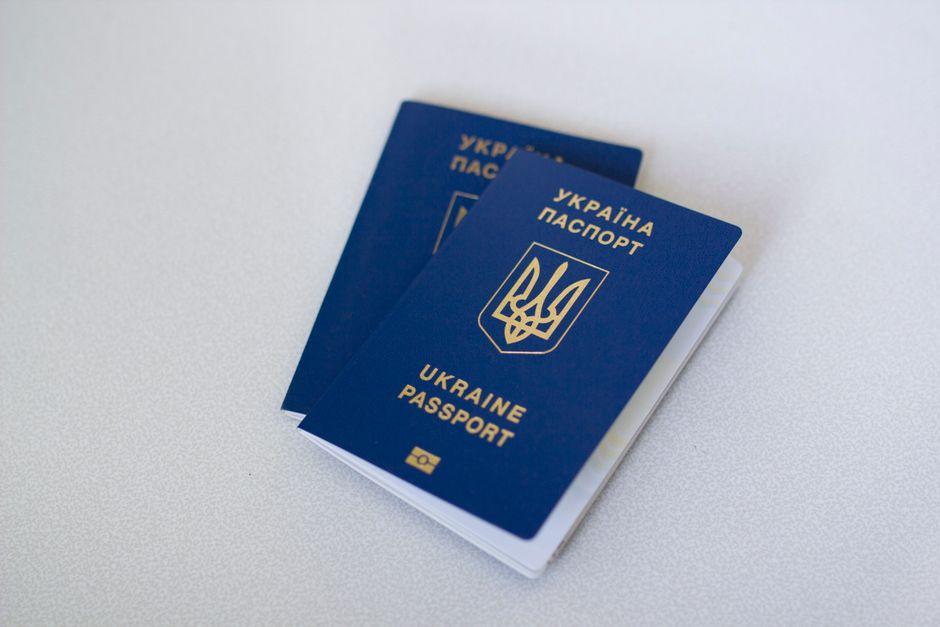
Exploring What Dual Citizenship Means in Today’s World
Dual citizenship, also known as dual nationality, occurs when an individual is legally recognized as a citizen of two countries simultaneously. This status allows a person to enjoy the rights and responsibilities afforded by both nations, such as voting, working, and accessing public services. In today’s globalized society, dual citizenship can serve as a strategic advantage, enabling greater mobility, access to diverse educational and professional opportunities, and a broader social safety net. However, its practical implications vary widely depending on each country’s laws-some countries fully embrace dual citizenship without restrictions, while others may require individuals to renounce their previous nationality or impose limitations on their rights.
While the benefits of maintaining two passports are considerable-such as simplified international travel, tax optimization possibilities, and cultural ties-there are challenges to consider. These can include complicated legal obligations like dual tax filings, mandatory military service, and potential conflicts in diplomatic protection. To navigate these complexities effectively, it’s essential to understand each country’s specific regulations and how they interact. Below is a brief comparison highlighting key differences:
| Aspect | Country A (Permissive) | Country B (Restrictive) |
|---|---|---|
| Recognition of Dual Citizenship | Allowed without restrictions | Requires renouncing previous citizenship |
| Military Service | No compulsory service for dual citizens | Mandatory military duty may apply |
| Tax Obligations | Tax based on residency | Taxed on worldwide income regardless of residence |
| Voting Rights | Full voting rights in both countries | Limited or no voting rights for dual citizens |
- Recommendation: Before pursuing dual citizenship, thoroughly research both countries’ rules on nationality, taxation, and civic duties to avoid unintended consequences.
- Tip: Consult with immigration attorneys or nationality experts to clarify complex scenarios and ensure compliance.

The Advantages and Drawbacks of Holding Two Passports
Holding two passports through dual citizenship offers significant advantages that appeal to individuals seeking greater mobility and flexibility. One of the primary benefits is expanded travel freedom; dual passport holders can often bypass visa restrictions or lengthy application processes, enabling easier access to multiple countries. Additionally, it provides access to social services, education, and healthcare in both nations, which can be a crucial factor for families and long-term residents. Financially, dual citizenship may facilitate cross-border business opportunities, investment options, and tax planning, as citizens enjoy the rights and protections extended by each country. Moreover, maintaining strong cultural and familial ties becomes simpler when one can legally live, work, and vote in two countries, enhancing both personal and professional opportunities.
Despite these benefits, there are important considerations and potential drawbacks that dual citizens must weigh carefully. One key challenge is the complexity of legal obligations, such as taxation, which may require filing returns or paying taxes in both countries, depending on the tax treaties and specific national laws. Additionally, some countries restrict military service or impose other civic duties that dual citizens must fulfill. Possessing two passports can also complicate situations in political conflicts or diplomatic disputes, potentially affecting an individual’s rights or protections abroad. Some nations do not recognize dual citizenship, leading to the risk of losing one nationality upon acquiring another. To navigate these challenges, it’s advisable to consult with legal experts familiar with the laws of both countries, ensuring compliance and fully understanding the implications before officially pursuing dual citizenship.
Navigating the Legal Path to Qualify for Dual Nationality
Qualifying for dual nationality involves a well-defined legal process that varies significantly depending on the countries involved. Typically, the first step is understanding whether both countries permit dual citizenship, as some nations require applicants to renounce their original nationality upon naturalization. The most common pathways include birthright citizenship (by descent or place of birth), naturalization (residency-based applications), marriage to a citizen, or through investment and special government programs. Each route demands specific documentation such as birth certificates, proof of residency, language proficiency tests, and occasionally, an understanding of the country’s culture or laws. Importantly, applicants should familiarize themselves with the legal obligations that come with dual nationality, which might include taxation, military service, or legal jurisdiction issues in either country.
To navigate this complexity effectively, it’s essential to approach the process methodically. Start by contacting the immigration authorities or embassies of both countries for detailed citizenship laws and dual nationality agreements. Many applicants benefit from consulting immigration lawyers who specialize in dual citizenship, ensuring compliance with all legal requirements and avoiding potential pitfalls like inadvertent loss of citizenship. Below is a concise comparison of key legal considerations when seeking dual nationality:
| Aspect | Country A | Country B |
|---|---|---|
| Dual Citizenship Allowed | Yes | No |
| Naturalization Requirements | 5 years residency + language test | 10 years residency, renounce previous citizenship |
| Taxation on Worldwide Income | Yes | No |
- Verify citizenship laws early: Laws can change, impacting eligibility and obligations.
- Prepare comprehensive documentation: Avoid delays by gathering all legal and personal documents upfront.
- Consult legal professionals: Immigration lawyers can clarify complex cases and assist with filing.
- Understand responsibilities: Dual citizenship brings rights and duties; be informed about taxes, voting, and military service.
Comparing Dual Citizenship Policies Across Different Countries
Dual citizenship policies vary widely, reflecting different countries’ historical, political, and social perspectives on nationality. Some nations, like Canada and Australia, openly accept dual citizenship without restrictions, allowing individuals to enjoy the legal benefits of both countries, such as work rights, social services, and voting. In contrast, countries such as Japan and China either prohibit or place strict limitations on holding multiple nationalities, often requiring individuals to renounce their original citizenship upon naturalization. The United States adopts a more permissive stance but does not formally endorse dual citizenship, which can lead to complex tax and military service obligations. Understanding these distinct frameworks helps clarify whether pursuing a second passport aligns with your personal and professional goals while anticipating the specific responsibilities involved in maintaining dual nationality.
When comparing dual citizenship policies, key factors often include:
- Legal Recognition: Does the country legally recognize dual citizenship, or are there restrictions or conditional allowances?
- Process and Eligibility: What are the requirements to maintain or acquire dual citizenship, such as residency, heritage, or marriage?
- Rights and Obligations: How do dual citizens access benefits like healthcare, education, and employment, and what taxes or service duties must they fulfill?
- Risks and Challenges: Are there risks of losing nationality, difficulties with diplomatic protection, or conflicts in legal systems?
Below is a comparative snapshot of select countries illustrating some of these nuances:
| Country | Dual Citizenship Policy | Key Benefits | Notable Restrictions |
|---|---|---|---|
| Canada | Permitted without limit | Freedom to live, work, vote in both countries | Must meet tax obligations in both |
| Japan | Generally not allowed; must choose by age 22 if born with multiple citizenships | Cultural ties preserved temporarily | Renounce one citizenship by adulthood |
| United States | Permitted but no formal encouragement | Access to social programs, travel flexibility | Potential for double taxation and legal complexities |
| Germany | Allowed mainly within EU or with special permissions | EU citizenship benefits | Often requires relinquishment of non-EU citizenship |
Common Misunderstandings and Practical Tips for Dual Citizens
Common Misunderstandings about Dual Citizenship often stem from confusion about legal rights and obligations. Many assume that holding two passports always means unrestricted freedom in both countries, but this isn’t necessarily true. For example, dual citizens may still be subject to mandatory military service, taxation, or legal restrictions in one or both countries. Another common misconception is that dual citizenship automatically grants diplomatic protection; however, protections can be limited or withdrawn if the citizen is in their country of nationality. It’s also important to recognize that some countries don’t allow dual citizenship at all or require formal renunciation of the original nationality during naturalization. Knowing the specific laws of each country involved is crucial before pursuing or exercising dual citizenship rights.
Practical Tips for Managing Dual Citizenship can make the experience smoother and less legally complex. First, keep your travel documents and registrations updated in both countries to avoid complications at borders or with consular services. Understanding your tax obligations is another key step-consult a tax expert familiar with international laws to prevent double taxation or penalties. Also, be mindful when voting, owning property, or applying for public office, as some nations restrict these rights for dual citizens. To stay organized, maintain a checklist of key deadlines, such as passport renewals, tax filings, and reporting requirements. Lastly, when in doubt, seek legal advice to clarify any conflicting laws or responsibilities between your two countries, ensuring your dual status remains an asset rather than a liability.
Insights and Conclusions
Navigating the world of dual citizenship opens a gateway to new opportunities, blending identities while bridging cultures. Whether you seek the benefits of expanded travel, enhanced economic prospects, or deeper familial connections, understanding the nuances of holding two passports is essential. Yet, it is equally important to recognize the responsibilities and challenges that come with this status, from legal complexities to personal commitments. By grasping the pathways to qualify and maintaining awareness of your rights and duties, dual citizenship can become a powerful tool in an increasingly interconnected world-offering not just a second passport, but a broader sense of belonging and possibility.




