
In a world increasingly shaped by migration, globalization, and shifting borders, the concept of citizenship has evolved far beyond a simple legal status. For millions of people, holding dual citizenship is both a bridge and a battleground – a space where identities converge, loyalties intertwine, and legal frameworks collide. “Between Two Worlds: Navigating Identity, Belonging, and Legal Complexities in Dual Citizenship” explores the intricate landscape faced by those who live at the crossroads of nationality. This article delves into the personal and societal dimensions of dual citizenship, unraveling how it shapes one’s sense of self, challenges conventional notions of belonging, and tests the limits of law in an interconnected era.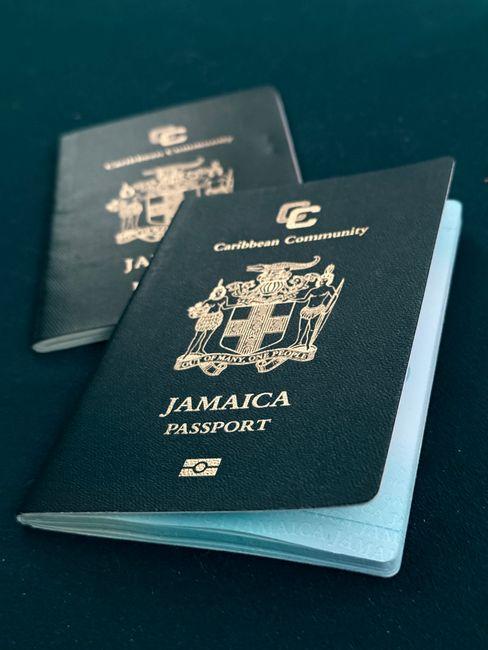
Crossroads of Culture and Paperwork A Personal Journey Through Dual Citizenship
When I first embarked on the journey towards dual citizenship, I imagined a seamless blending of two cultures and a sense of belonging in both worlds. Instead, what unfolded was a delicate dance between deeply personal cultural identity and the unyielding reality of paperwork. Take, for example, Maria’s experience: born in Colombia but raised in Germany, she faced a bewildering array of documents just to prove her lineage-a birth certificate translated three times, proof of residency, and unexpected questions about her family’s history. The emotional weight of these requirements often collided with the pride she felt waving flags at cultural festivals. Her story highlighted a vital lesson: dual citizenship is as much about navigating legal systems as it is about reconciling two identities, sometimes in tension, sometimes in harmony.
This crossroads reveals itself not only in forms but in moments of decision-the bittersweet choice when deciding which passport to use at a border or the quiet reflection on which language feels like ‘home’ during family holidays. I recall a simple yet telling moment in a cafe discussion with Ahmed, who juggled Jordanian and Canadian citizenships. He confessed that while the Canadian side offered him legal protections and global mobility, the Jordanian identity connected him to traditions, cuisines, and memories his paperwork could never capture. Such experiences teach us that dual citizenship isn’t just a checkbox of rights and responsibilities; it’s a mosaic of lived realities, often requiring difficult choices about when to embrace one culture fully and when to honor the legal frameworks that bind us to another.
| Aspect | Expectation | Reality |
|---|---|---|
| Documentation | Smooth transfer and recognition | Complex, repetitive, time-consuming processes |
| Cultural Belonging | Feel equally at home in both countries | Shifting identity influenced by context and time |
| Legal Benefits | Unrestricted use of rights in both nations | Sometimes conflicting laws and limitations |
- Key takeaway: Dual citizenship challenges us to juggle the tangible paperwork with intangible cultural connections.
- Emotional insight: Legal status can change overnight; cultural ties often take a lifetime to build.
- Practical tip: Keep organized records and open communication with consulates to ease paperwork hurdles.
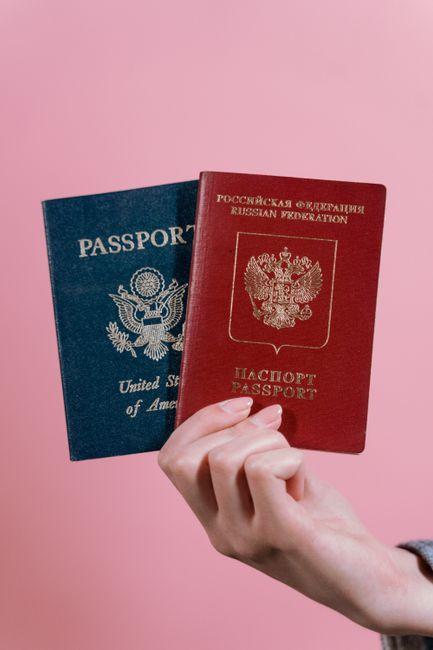
When Borders Blur Balancing Emotional Ties and Legal Boundaries
When Amina inherited her grandmother’s house in Morocco while living in Canada, what seemed like a straightforward family legacy soon tangled emotions with legal realities. She felt deeply connected to the land, rooted in memories of childhood summers and family stories. However, navigating property inheritance across borders forced her to face the limits of legal jurisdiction. Moroccan property law required local representation and specific documentation, clashing painfully with her desire to personally manage the inheritance. This blurred line between emotional ties-wanting to honor heritage-and the cold, complex legal paperwork illustrates a common challenge for dual citizens. Here, the balancing act is not just administrative but deeply personal: how do you protect sentiment when the law demands pragmatism?
Contrast this with Daniel, who holds dual citizenship between the U.S. and Germany and recently faced a crucial decision about military service. Both countries demand allegiance, yet their requirements and cultural expectations differ. Daniel initially expected a straightforward choice-to serve in one country, sparing him conflicting duties-but the reality was messier. German law mandated registration for the draft, while U.S. regulations included clauses on citizenship retention related to military service abroad. His lawyers mapped out options, rights, and consequences in a detailed table to help make an informed call:
| Country | Military Obligations | Impact on Citizenship | Emotional Considerations |
|---|---|---|---|
| Germany | Mandatory registration; no current draft | No citizenship loss | Strong cultural connection and familial expectations |
| U.S. | Registration with selective service required | Potential risk if serving foreign forces without approval | Patriotism tied to birthplace and upbringing |
These examples highlight how dual citizenship often exists in a nebulous zone-not only legally challenging but fraught with internal conflicts and compromises. The expectation might be a seamless multicultural identity, yet the legal systems stubbornly adhere to rigid boundaries, forcing individuals to constantly reassess their priorities and allegiances. Ultimately, navigating this blurred space requires not just understanding laws, but honoring emotional truths while crafting practical strategies.
Unexpected Challenges in Bureaucratic Labyrinths of Two Nations
Consider Ana, a dual citizen of Country A and Country B, who anticipated a straightforward process when renewing her passport in Country B’s consulate. What she encountered was a maze of conflicting document requirements, unexpected fees, and ambiguous timeline estimates. While the embassy website detailed the procedure in neat bullet points, the reality required her to submit a series of supporting attestations, including birth certificates with apostilles, translated documents, and proof of residence, which varied depending on the officer reviewing her case. Ana’s experience highlights a common facet of dual citizenship bureaucracy: the gap between official instructions and lived reality. Every administrative step became a negotiation, a test of patience and perseverance, with stakes extending beyond paperwork to her sense of belonging. She learned to keep detailed records of correspondences, confirmed deadlines multiple times, and partnered with local legal advisors-strategies that ultimately smoothed her path but revealed how bureaucratic rigidity often clashes with individual circumstances.
Meanwhile, Jamal faced a different kind of challenge when attempting to register a business in his second home country. His expectations of leveraging dual citizenship to ease cross-border entrepreneurship were met with more complex tax codes and dual compliance requirements than he had foreseen. One critical decision point came when he had to choose between registering his enterprise as a resident or non-resident, each option entailing distinct tax implications and reporting burdens. The table below encapsulates his dilemma:
| Registration Type | Tax Rate | Reporting Frequency | Residency Requirement |
|---|---|---|---|
| Resident Business | 30% | Quarterly | At least 183 days/year |
| Non-Resident Business | 25% | Annual | No physical presence required |
Despite assumptions that dual citizenship automatically grants a smoother bureaucratic route, Jamal discovered that these legal frameworks often prioritize residency status and physical presence over citizenship alone. His ultimate lesson was the importance of early consultation with tax professionals in both countries and recognizing that bureaucratic labyrinths are rarely symmetrical or forgiving. Navigating between legal entitlement and procedural reality requires keen awareness of nuances and a readiness to adapt plans accordingly.
Lessons from the Heart Navigating Belonging Beyond Passports
For many holding dual citizenship, the journey toward a sense of belonging often reveals that identity is far more nuanced than official documents can express. Take Lina, for instance, who was born in Brazil but grew up in Canada. Despite her Canadian passport, she felt a magnetic pull to her Brazilian roots-whether it was through family gatherings, traditional recipes, or conversations peppered with Portuguese slang. Yet, when visiting Brazil, she sometimes encountered expectations that she must fully embody a “native” identity, leaving her torn between two worlds. These moments highlight a vital lesson: belonging is a mosaic built from shared experiences and emotional ties, not just legal status. This realization often prompts individuals to navigate social and cultural spaces with deliberate openness, finding community in unexpected places beyond passport lines.
Navigating belonging beyond the paperwork means confronting the gap between external validation and internal acceptance. Consider the story of Arjun, a dual citizen of India and the United Kingdom, who assumed that holding both passports would grant seamless access to both societies. However, he soon encountered moments where he was asked to “choose a side”-a question that no document could definitively answer. These experiences emphasize the importance of acknowledging identity as an evolving process rather than a fixed state. From such reflections arise key takeaways:
- Belonging is personal: It thrives in relationships and shared moments beyond legal recognition.
- Expectations vs. reality: External perceptions may not align with how you identify internally, requiring self-compassion and patience.
- Flexibility is strength: Comfort with ambiguity allows for richer identity experiences that bridge more than separate worlds.
These lessons serve as reminders that the heart’s compass often guides far beyond what any passport can dictate, encouraging an ongoing dialogue between heritage, experience, and self-awareness.
Bridging Worlds Stories of Connection, Conflict, and Compromise
When Amira moved from Morocco to Canada as a child, her family hoped dual citizenship would be a simple key to embracing both cultures. Yet, as she grew older, the reality of bridging two worlds became a series of delicate balances-celebrating Eid with her Moroccan cousins while attending Thanksgiving dinners in Toronto, choosing between Arabic and English for her first love letter, and weighing career opportunities that demanded loyalty tests beyond her control. Her story mirrors many who navigate these intimate crossroads, where joyous connection often meets unforeseen conflict. For example, dual citizens frequently encounter legal hurdles such as conflicting tax obligations or military service requirements, unpredictable challenges that force difficult compromises and thoughtful planning.
Take, for instance, Javier, a dual citizen of Spain and the United States, whose decision to serve in the U.S. military triggered complex diplomatic questions and personal doubts. While patriotism pulled him toward active duty, Spain’s restrictions on dual citizens in certain professions complicated his enlistment. Such moments reveal a less visible side of dual citizenship-one that requires ongoing dialogue and sometimes difficult sacrifices. The lessons here are clear:
- Connection: Embracing cultural heritage enriches identity but demands active participation and understanding from both worlds.
- Conflict: Legal and social systems may clash, requiring proactive navigation of regulations and expectations.
- Compromise: Flexibility and compromise often become essential in harmonizing personal goals with dual obligations.
| Aspect | Expectation | Reality |
|---|---|---|
| Cultural Identity | Seamless integration of both cultures | Ongoing negotiation of belonging and difference |
| Legal Obligations | Simple, dual-compliant processes | Complex, sometimes conflicting legal requirements |
| Sense of Belonging | Unquestioned acceptance in both countries | Occasional feelings of exclusion or “otherness” |
Insights and Conclusions
In the intricate dance between two homelands, those who hold dual citizenship find themselves perpetually navigating the delicate balance of identity, belonging, and legal intricacies. This journey-both challenging and enriching-reveals the multifaceted nature of modern citizenship, where borders blur not only on maps but within hearts and minds. As the world becomes ever more interconnected, understanding and embracing these dual narratives will remain vital, inviting us all to reconsider what it truly means to belong, to claim a place, and to call a nation home-sometimes, simultaneously.




