
In an era marked by unpredictable political shifts, economic upheavals, and unforeseen crises, the concept of security transcends traditional boundaries. Amidst a world where borders can suddenly close and currencies can rapidly fluctuate, holding a foreign passport has emerged as more than just a travel convenience-it’s becoming a vital lifeline, a strategic hedge against global uncertainty. Yet, while this powerful tool offers freedom and protection beyond one’s home country, many of its advantages remain hidden in plain sight, quietly overlooked or intentionally underplayed by governments. This article explores the compelling reasons why securing a foreign passport might be your smartest safeguard in today’s volatile world-and unveils what authorities might prefer you didn’t know.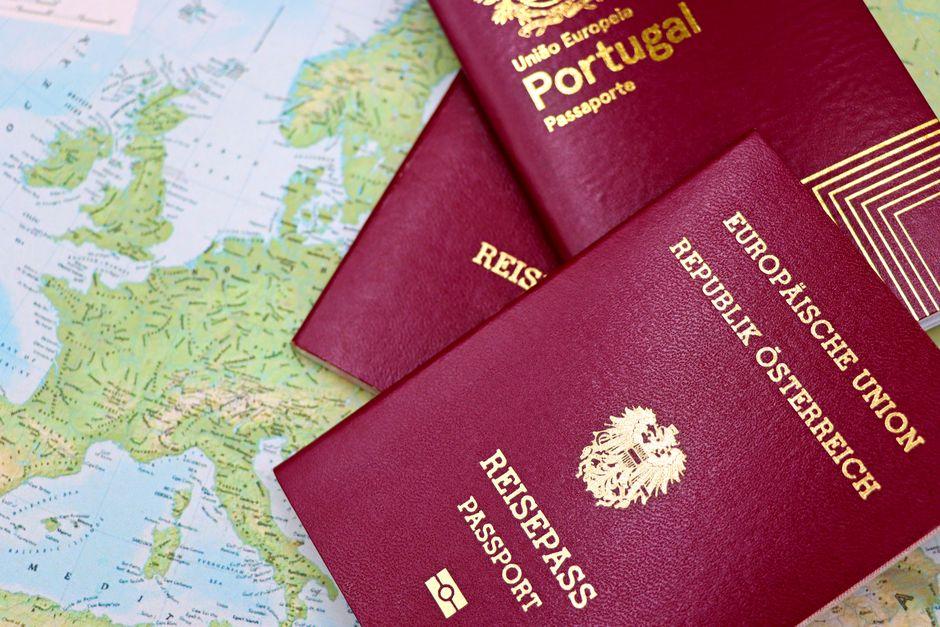
The Unseen Risks Behind Pursuing a Foreign Passport in a Volatile World
While the allure of a foreign passport as a global safety net is undeniable, the risks lurking beneath this seemingly straightforward strategy are often glossed over. First, not all passports offer equal value in terms of mobility, legal protections, or economic access. The popular assumption that any second passport automatically multiplies your options ignores critical geopolitical nuances. For instance, holding a passport from a country with strained diplomatic relations may constrain more than it liberates, potentially leading to visa denials or increased scrutiny. Moreover, dual citizenship can inadvertently expose you to conflicting laws-tax liabilities, military service requirements, or political entanglements-that can complicate your personal and financial life more than help it. A foreign passport is not a catch-all remedy but a tool that demands a nuanced understanding of the trade-offs between mobility, identity, and legal risk.
Another often overlooked dimension is the opacity and evolving nature of government regulations around citizenship by investment or naturalization. Many schemes marketed as quick routes to citizenship are, in reality, fraught with shifting compliance demands and geopolitical backlash. Some governments have recently tightened transparency rules and revoked passports acquired under questionable circumstances, highlighting the long-term vulnerability of these arrangements. Therefore, prospective passport seekers should adopt a strategic approach rather than a transactional mindset. Key considerations include:
- Due diligence on the issuing country’s political stability and international standing.
- Understanding the evolving citizenship laws and compliance requirements over time.
- Balancing potential visa-free travel benefits against the risk of taxation or obligations in multiple jurisdictions.
In essence, securing a foreign passport should be viewed less as an insurance policy and more as a dynamic asset requiring continuous management and reassessment.
Why Governments Quietly Resist the Rise of Dual Citizenship and What It Means for You
Governments’ quiet resistance to the rise of dual citizenship often stems from a fundamental tension between sovereignty and globalization. While the modern world is increasingly interconnected, many states view exclusive citizenship as a linchpin of national identity, security, and fiscal control. Dual citizenship complicates these pillars by blurring allegiances and legal responsibilities-raising concerns from tax evasion and military obligations to electoral integrity. Notably, this resistance is not always rooted in overt nationalism but in pragmatic governance challenges that few policymakers openly acknowledge. The sophisticated trade-off here is between harnessing the benefits of global mobility and maintaining coherent administrative frameworks, a balance that many governments still struggle to perfect.
For individuals, understanding this nuanced government posture reveals critical insights. While dual citizenship can unlock unparalleled freedom and safeguard against geopolitical shocks, it also exposes holders to complex legal environments where rights and obligations under each nationality may collide. To navigate this, one must avoid the seductive oversimplification that more passports always equate to more security. Instead, prioritize quality over quantity by assessing:
- Legal compatibility: How seamlessly do your countries handle dual allegiance, especially regarding taxation and military service?
- Diplomatic leverage: Can your second passport provide access or protection in times of crisis?
- Long-term stability: Are the citizenship laws of these countries likely to evolve in your favor, or restrict your rights?
| Factor | Governments’ Concern | Individual Consideration |
|---|---|---|
| Taxation | Risk of revenue loss & complexity | Potential for unintentional non-compliance |
| Military Service | Compulsory duties conflicts | Possible liabilities or exemptions |
| Political Loyalty | Electoral manipulation fears | Restriction on political rights or representation |
Ultimately, governments’ reluctance is a reminder that dual citizenship remains an evolving legal frontier rather than a universal panacea. Savvy individuals who look beyond the hype will treat dual nationality as a strategic asset-carefully weighing governmental intentions and personal implications instead of blindly chasing multiple passports as a “silver bullet” against uncertainty.
Navigating the Complex Trade-Offs Between Global Mobility and Legal Exposure
Global mobility through a foreign passport undeniably opens doors to new opportunities-be it access to better healthcare, education, or business landscapes-but the legal exposure tied to such mobility is far more intricate than commonly portrayed. Holding a second passport doesn’t guarantee unfettered freedom; rather, it places you at the intersection of competing sovereign interests, compliance burdens, and evolving regulatory environments. For instance, second citizenship can trigger complex tax reporting obligations, potentially leading to inadvertent non-compliance unless proactively managed. Moreover, governments are increasingly leveraging data-sharing agreements and tightening residency rules, meaning the perception that a foreign passport alone offers an unbreakable safe haven is a reckless oversimplification. The real challenge-and value-lies in navigating *where* and *how* your dual nationality is recognized versus policed.
Smart globetrotters must weigh these trade-offs with clarity and nuance. It’s not just about *having* a foreign passport but strategically integrating it into a broader risk management framework tailored to their lifestyle and assets. Consider this brief comparison:
| Aspect | Global Mobility Advantage | Legal Exposure Risk |
|---|---|---|
| Travel Freedom | Visa-free access to multiple countries | Scrutiny over dual citizenship status, possible restrictions in home country |
| Taxation | Potential tax diversification | Complex filing obligations, risk of double taxation or punitive enforcement |
| Residence & Work Rights | Ability to live and operate business in alternate legal jurisdictions | Legal residence requirements and periodic renewals enforce ongoing compliance |
- Distill your core priorities: Is your primary goal economic flexibility, security, or lifestyle? Your passport utility will vary accordingly.
- Engage specialized legal counsel: Treat dual citizenship and mobility as dynamic legal landscapes that require continual reassessment, not a one-time checkbox.
- Avoid the “one passport solves all” fallacy: Dual nationality amplifies opportunity but demands disciplined navigation to mitigate exposure.
In essence, the informed pursuit of a foreign passport is less about escaping constraints and more about strategically rebalancing your global risks. Those who master this balance derive true resilience amid volatility-while the ill-prepared open themselves to precisely the vulnerabilities they seek to avoid.
Beyond the Passport Myth Smarter Strategies for Building Resilience Against Global Shifts
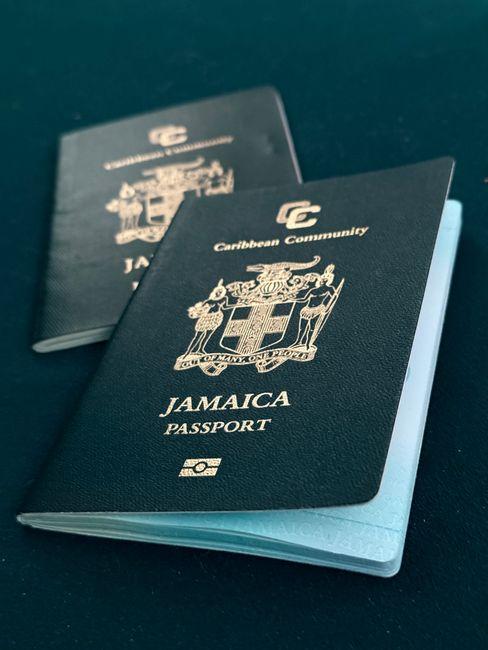
The allure of holding a foreign passport as a bulletproof shield against geopolitical upheaval and economic instability often glosses over the complex realities underpinning global mobility. Simply acquiring a second citizenship is no longer a panacea; the true value lies in strategically aligning your second passport with broader resilience objectives. This means prioritizing passports not merely for travel convenience or tax advantages, but for their embedded access to stability, legal protections, and transparent governance. For instance, a Caribbean passport might offer visa-free travel to many countries but lacks robust local institutions and political predictability, which can be critical if you intend to pivot your lifestyle or assets amid crisis. Weighing these trade-offs sharpens your ability to deploy citizenship as a genuine hedge, rather than a superficial status symbol.
Beyond geography and travel, the smartest resilience strategies integrate your passport portfolio into a diversified, multilevel approach to risk management. This includes:
- Leveraging residency rights in multiple jurisdictions to diversify physical bases and legal protections.
- Understanding how geopolitical shifts could impact bilateral agreements affecting your passport’s actual utility.
- Evaluating how emerging global policies on data sharing and citizenship revocation might curtail assumed freedoms.
In fact, a nuanced evaluation reveals that not all second citizenships are created equal; focusing on passports with demonstrated durability rather than short-term convenience is paramount. Consider the following rough comparison:
| Passport Feature | High-Durability Citizenship | Convenience-Oriented Citizenship |
|---|---|---|
| Political Stability | Strong, with transparent rule of law | Variable, sometimes fragile institutions |
| Global Mobility | Moderate to high visa-free access | Easy visa-free travel but limited elsewhere |
| Legal Protections | Robust, multiple international treaties | Often limited or conditional |
| Risk of Revocation | Low, due to extensive bilateral recognition | Higher, especially in politically volatile regions |
This perspective challenges the simplistic passport hunting narrative, urging a more judicious approach that eschews hype and prioritizes long-term resilience over short-lived perks. Ultimately, your global hedge should function as a dynamic layer of security-responsive to evolving global risks rather than a static emblem of privilege.
When the Dream of a Second Passport Clashes with Harsh Realities and Political Backlash
It’s tempting to romanticize the idea of a second passport as a guaranteed ticket to freedom, security, and flexibility. However, the harsh realities of geopolitics and domestic policy often muddy these idealistic waters. Governments, increasingly wary of dual allegiances, are tightening regulations and cracking down on what they deem “passport shopping” or economic citizenship. This backlash isn’t just bureaucratic pushback; it reflects genuine concerns over national security, tax evasion, and political influence. The stark trade-off here is between the allure of global mobility and the risk of being caught in a political crossfire where your foreign passport could become a liability rather than an asset. Those chasing second citizenship without appreciating these nuances may find themselves entangled in lengthy legal battles, asset freezes, or even reputational damage.
Not all passports are created equal, and not all governments view second citizenship the same way. For instance, countries with liberal visa-free travel policies may paradoxically impose strict exit controls on dual citizens or routinely scrutinize their assets abroad. Conversely, some jurisdictions aggressively advertise “golden visas” but face international criticism that can lead to sudden policy reversals-turning a seemingly stable investment into a volatile gamble. Before pursuing a second passport, it is crucial to carry out a risk-reward analysis that includes:
- Political Stability: Beyond economic criteria, evaluate the host country’s geopolitical alliances and legislative trends concerning dual nationality.
- Transparency and Compliance: Understand how foreign governments share financial and tax information and align your decisions with global compliance standards to avoid unintended repercussions.
- Longevity of Benefits: Consider the historical durability of citizenship-by-investment programs-are they prone to abrupt revocation or modification?
- Personal Alignment: How well does the second passport align with your long-term personal and professional goals rather than short-term convenience?
To Conclude
In a world where borders blur and uncertainties loom large, holding a foreign passport is more than just a travel document-it’s a strategic lifeline, a key to flexibility, and a quiet form of resilience that governments rarely advertise. While nations navigate their own interests and agendas, your ability to pivot across jurisdictions quietly empowers you to safeguard your future. As global tides shift unpredictably, the truth is clear: diversifying your citizenship isn’t just a privilege-it’s a proactive hedge against the unknown, one that can open doors when others close them. Embrace this knowledge wisely, and you might just find that the best way to secure your tomorrow is to hold a piece of the world in your hands today.




